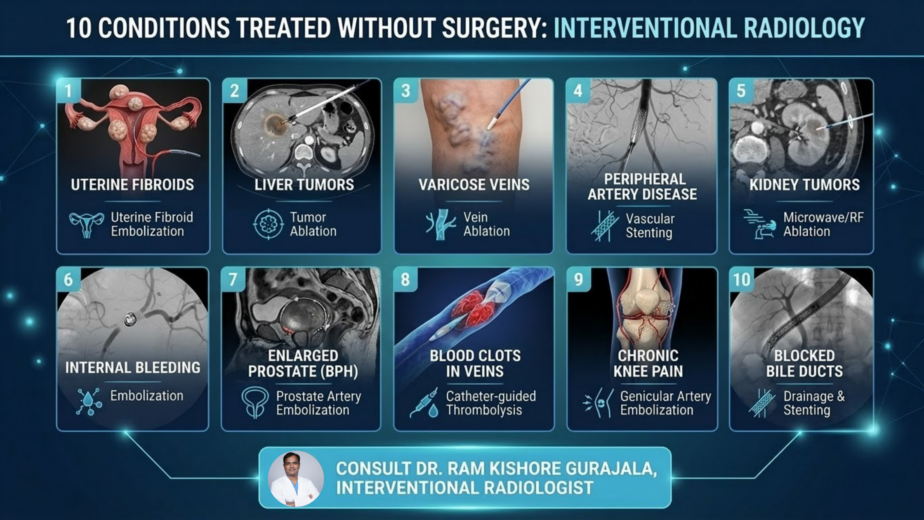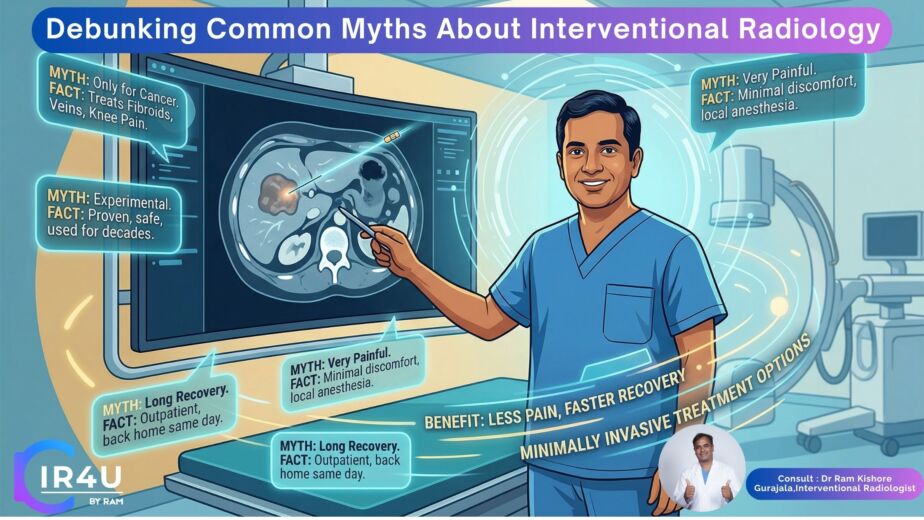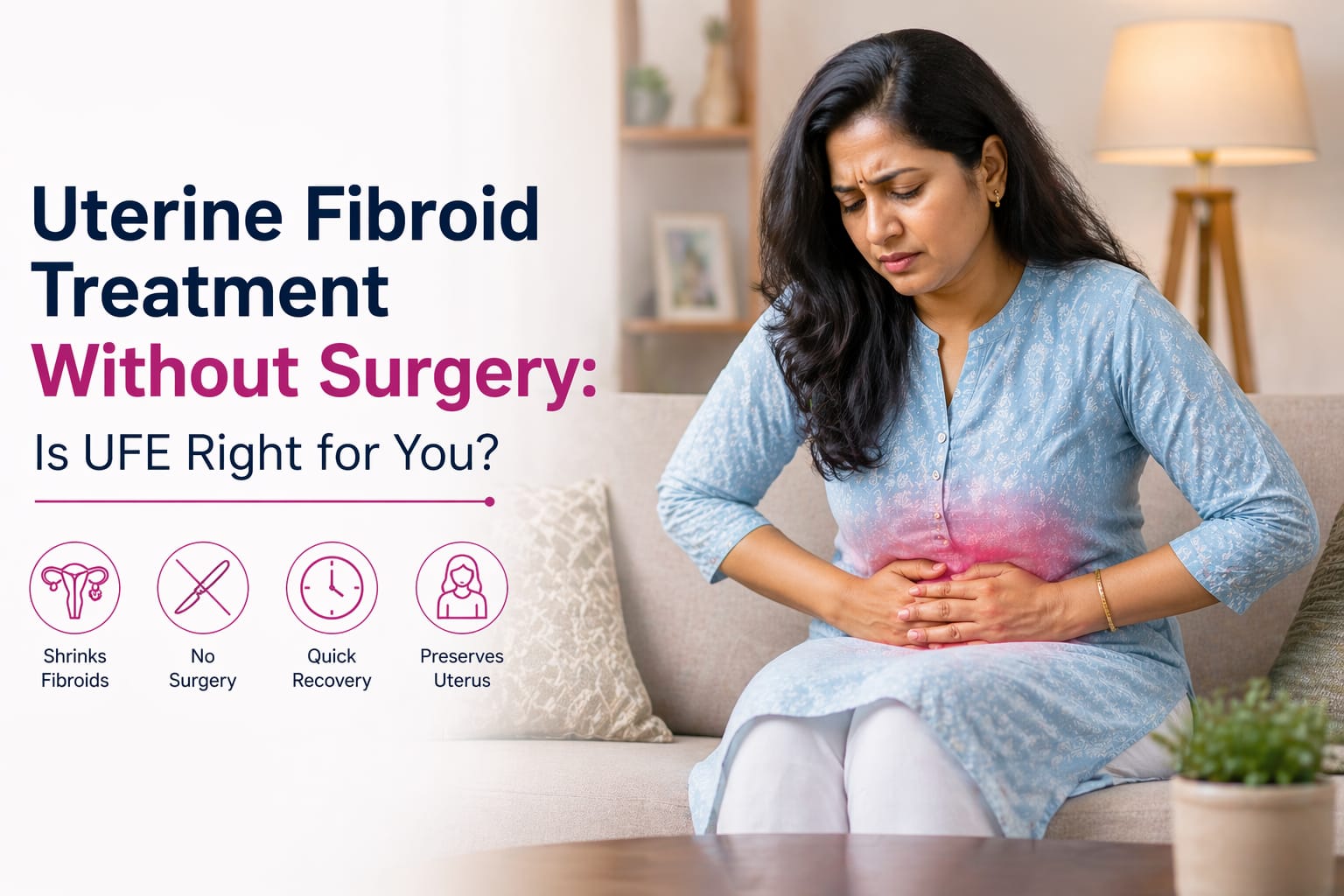
If you have been diagnosed with uterine fibroids and your doctor has suggested surgery, take a moment before you decide. Thousands of women in Hyderabad are told that a hysterectomy or myomectomy is their only option, but that is not always true. Uterine fibroid embolization (UFE) is a proven, minimally invasive alternative that treats fibroids without removing the uterus, without general anesthesia, and without a long recovery period.
This blog explains what UFE is, who qualifies for it, and why it may be the right choice for you.
What Are Uterine Fibroids and Why Do They Need Treatment?
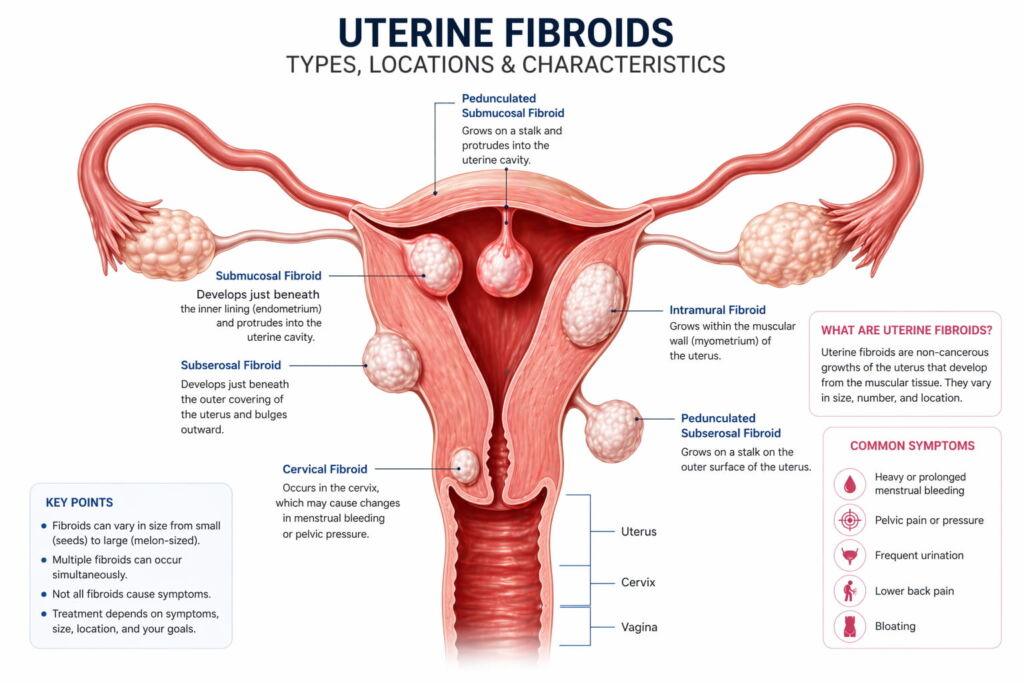
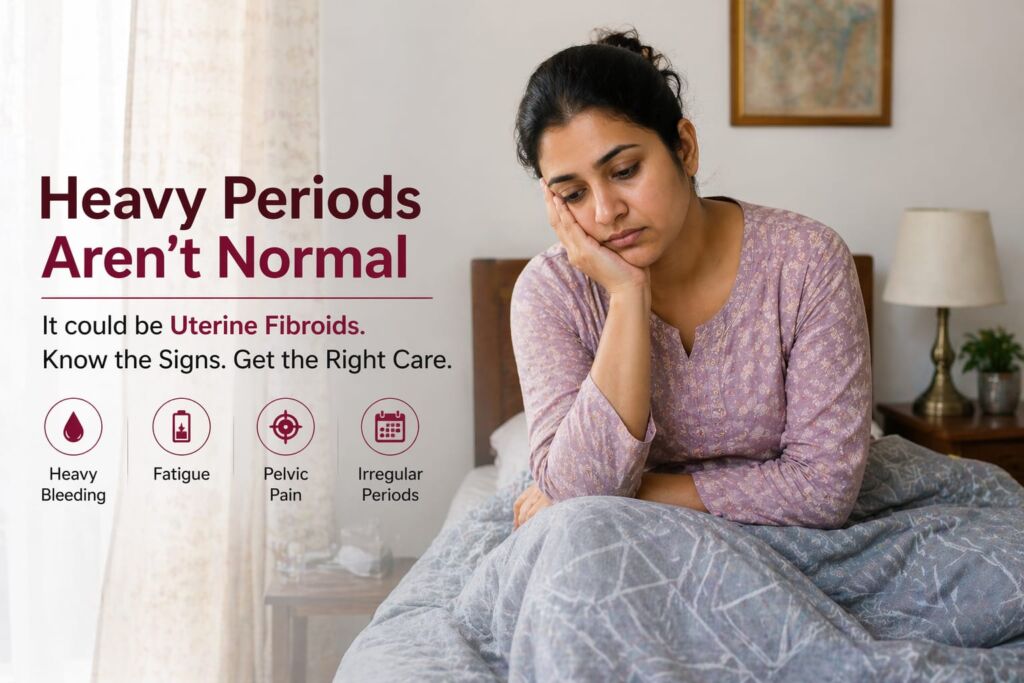
Uterine fibroids are non-cancerous growths that develop inside or on the wall of the uterus. They are extremely common up to 70% of women in India will develop fibroids by the age of 50. While some women have no symptoms at all, others experience life-disrupting problems that demand attention. The most common signs include:
- Heavy menstrual bleeding soaking through pads or tampons every hour or two
- Prolonged periods lasting more than 7 days
- Severe pelvic pain and cramping
- Bloating and a feeling of pressure in the lower abdomen
- Frequent urination due to fibroids pressing against the bladder
- Fatigue and anaemia caused by chronic blood loss
- Difficulty conceiving or maintaining a pregnancy
These fibroids symptoms and treatment options vary from woman to woman. Some can be managed with medication alone, while others require an active intervention. The key question is, does that intervention have to be surgery?
Why Most Women Are Told Surgery Is the Only Option
When you visit a gynecologist with fibroid symptoms, the most common recommendations you will receive are myomectomy (surgical removal of the fibroids) or hysterectomy (removal of the entire uterus).
These are legitimate surgical options, but they come with significant drawbacks: general anesthesia, a hospital stay of several days, a recovery period of four to six weeks, and, in the case of hysterectomy, a permanent end to fertility.
Many gynecologists in Hyderabad don’t always discuss this not because of intent, but because interventional radiology is still relatively new in India.
The reality is that effective uterine fibroid treatment without surgery exists, and this is where uterine fibroid embolization (UFE) makes a significant difference.
What Is Uterine Fibroid Embolization (UFE)?
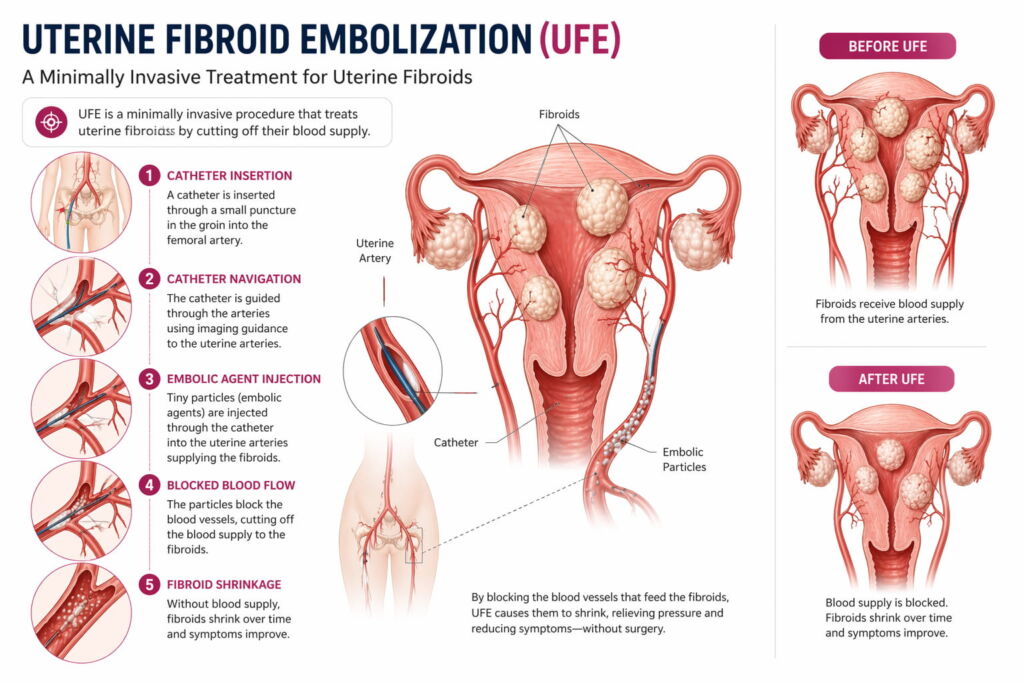
Uterine fibroid embolization (UFE) is a minimally invasive fibroid treatment performed by a specialist called an interventional radiologist. Unlike surgery, UFE does not involve cutting open the abdomen or removing any tissue.
Instead, it works by cutting off the blood supply that feeds the fibroids, causing them to shrink and die naturally over the following weeks.
Here is how the UFE procedure for heavy bleeding works, step by step:
Step 1 — Preparation:
You lie comfortably on a procedure table. Local anesthesia and light sedation are given, no general anesthesia is required.
Step 2 — Access:
Dr. Ram makes a tiny nick (2–3mm) in the skin at the wrist or groin and inserts a thin, flexible tube called a catheter.
Step 3 — Navigation:
Using live X-ray imaging (fluoroscopy), the catheter is carefully guided through the blood vessels to the uterine arteries, the arteries that supply blood to the fibroids.
Step 4 — Embolization:
Tiny particles, smaller than grains of sand, are released through the catheter. These particles block the uterine arteries, cutting off blood flow to the fibroids.
Step 5 — Recovery:
The procedure takes 60 to 90 minutes. Most patients rest for a few hours and go home the same day or the next morning.
Over the next four to eight weeks, the fibroids shrink significantly. Heavy menstrual bleeding reduces, pelvic pain improves, and the bloating and pressure that came from enlarged fibroids gradually disappear. Clinical studies show that 85 to 90% of women experience significant symptom relief after uterine fibroid embolization (UFE).
UFE vs Hysterectomy vs Myomectomy: A Clear Comparison
| Factor | UFE — Non-Surgical | Myomectomy — Surgery | Hysterectomy — Surgery |
| Uterus preserved | Yes — fully intact | Yes | No — removed permanently |
| Anaesthesia | Light sedation only | General anaesthesia | General anaesthesia |
| Hospital stay | Same day or 1 night | 3–5 days | 4–7 days |
| Fibroid embolization recovery time | 3–5 days | 4–6 weeks | 6–8 weeks |
| Scars | None — pinhole only | Abdominal scar | Abdominal scar |
| Fibroid recurrence | Low — most shrink permanently | 30–50% recurrence risk | None — uterus removed |
| Suitable for high-risk patients | Yes — diabetics, obese people, and heart patients | Higher surgical risk | Higher surgical risk |
Who Is a Good Candidate for UFE?
Minimally invasive fibroid treatment through UFE is appropriate for most women who have symptomatic uterine fibroids. You are likely a good candidate if any of the following apply to you:
- You are experiencing heavy menstrual bleeding that is affecting your daily life or causing anaemia
- You have been diagnosed with one or more fibroids on ultrasound or MRI
- You want to preserve your uterus whether for emotional, cultural, or fertility reasons
- You cannot or do not want to undergo general anaesthesia
- You have other health conditions such as diabetes, obesity, or heart disease that make surgery risky
- Medications have not adequately controlled your symptoms
Uterine fibroid treatment without surgery through UFE may not be recommended if you are pregnant, have certain types of submucosal fibroids in specific positions, or have an active pelvic infection. A detailed consultation with Dr. Ram Kishore Gurajala and a review of your MRI or ultrasound report will confirm whether UFE is right for your case.
How Does UFE Work as a Minimally Invasive Fibroid Treatment?
Minimally invasive fibroid treatment options like UFE focus on treating the root cause rather than just symptoms. During uterine fibroid embolization (UFE):
- A tiny catheter is inserted through a small incision
- Blood flow to fibroids is blocked
- Fibroids gradually shrink
This minimally invasive fibroid treatment allows patients to avoid major surgery while achieving effective results.
For many women, choosing a minimally invasive fibroid treatment means:
- Faster recovery
- Less pain
- No large surgical scars
UFE for Fibroid Treatment in Hyderabad What to Expect at Dr. Ram’s Clinic
Dr. Ram Kishore Gurajala performs uterine fibroid embolization (UFE) at Lakshmi Hospital, Kondapur, Hyderabad, and MGM Hospital, Aminjikarai, Chennai. He is a Cleveland Clinic-trained interventional radiologist with over 13 years of experience and more than 40 internationally published research papers in the field. Patients from across Telangana, Andhra Pradesh, and Tamil Nadu travel to his clinics for UFE consultations.
The first step is a 20 to 30-minute consultation. You bring your latest ultrasound or MRI scan, and Dr. Ram reviews your fibroids, their size, number, and location to confirm whether you are a suitable candidate for minimally invasive fibroid treatment. He will explain the procedure in plain language, answer every question you have, and give you a realistic idea of what to expect before, during, and after UFE.
Reducing fibroids without surgery is no longer an experimental idea it is a well-established, internationally recognized treatment that has helped hundreds of thousands of women worldwide preserve their uterus and reclaim their health. If you are in Hyderabad and dealing with fibroid symptoms, you owe it to yourself to explore every option before agreeing to an operation. Fibroids causing heavy periods can be treated effectively through UFE, and the recovery takes days, not weeks.