

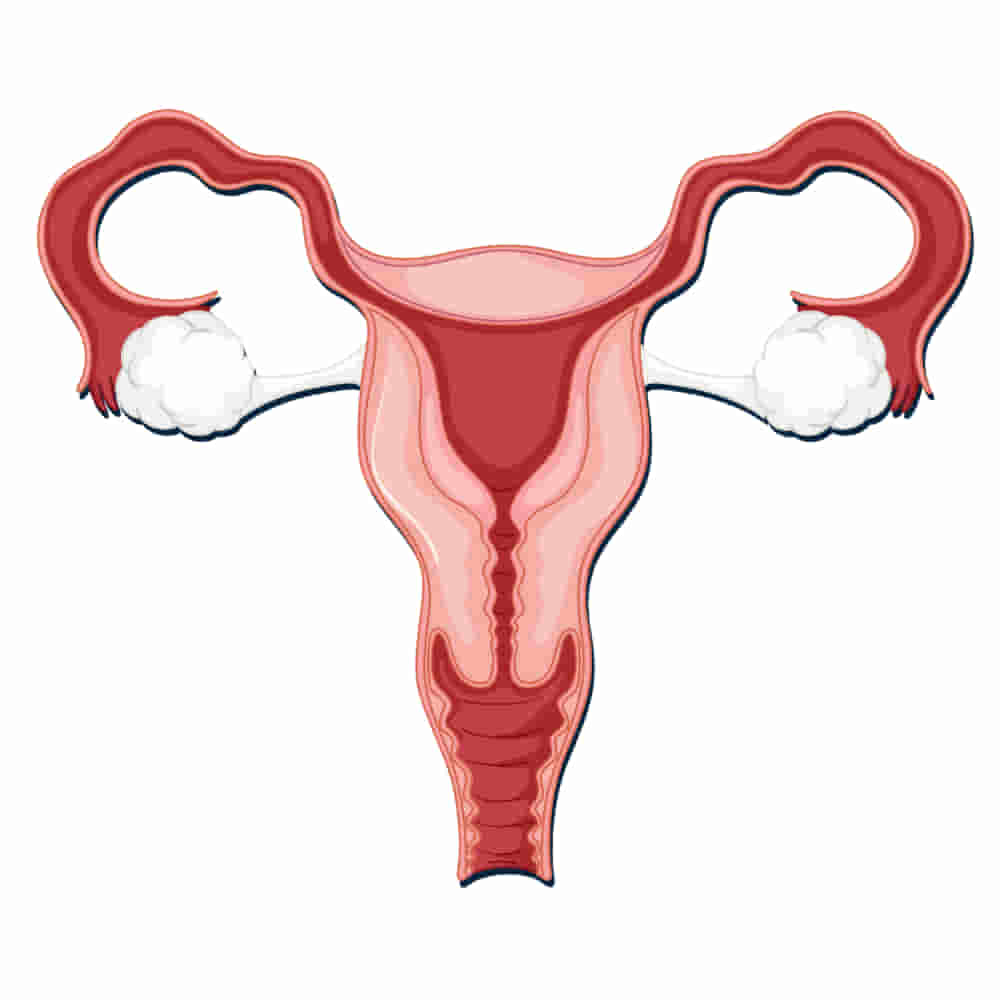
Uterine Fibroid Embolization (UFE) Treatment for Fibroids in Hyderabad and Chennai

✓ Non-Surgical Fibroid Treatment (UFE)
Uterine Fibroid Embolization: A Minimally Invasive Treatment for Fibroids
Uterine fibroid embolization (UFE) is a minimally invasive, image-guided procedure that blocks the blood supply to fibroids, causing them to shrink and relieving symptoms while preserving the uterus.
UFE is an advanced treatment designed to target uterine fibroids without surgery. By cutting off the blood flow to fibroids, it reduces heavy bleeding, pelvic pain, and pressure symptoms, offering faster recovery and fewer complications compared to traditional surgical options like hysterectomy or myomectomy.
 Faster Recovery (1–2 Weeks)
Resume normal activities much quicker than traditional surgery.
No Major Surgery or Large Cuts
A minimally invasive procedure with reduced pain and minimal scarring.
Preserves the Uterus
Treats fibroids while keeping the uterus intact, avoiding hysterectomy.
✓ Non-Surgical Fibroid Treatment (UFE)
Uterine Fibroid Embolization: A Minimally Invasive Treatment for Fibroids
Uterine fibroid embolization (UFE) is a minimally invasive, image-guided procedure that blocks the blood supply to fibroids, causing them to shrink and relieving symptoms while preserving the uterus.
UFE is an advanced treatment designed to target uterine fibroids without surgery. By cutting off the blood flow to fibroids, it reduces heavy bleeding, pelvic pain, and pressure symptoms, offering faster recovery and fewer complications compared to traditional surgical options like hysterectomy or myomectomy.

Faster Recovery (1–2 Weeks)
Resume normal activities much quicker than traditional surgery.
No Major Surgery or Large Cuts
A minimally invasive procedure with reduced pain and minimal scarring.
Preserves the Uterus
Treats fibroids while keeping the uterus intact, avoiding hysterectomy.
Dr Ram will be consulting in Hyderabad from August 1st.
Early Symptoms of Uterine Fibroids: Warning Signs You Should Not Ignore
 Heavy Menstrual Bleeding (Menorrhagia)
Persistent or excessive menstrual bleeding is one of the most common symptoms of Uterine Fibroids. Fibroids can increase the surface area of the uterine lining and disrupt normal contractions, leading to prolonged or heavy periods. This may result in fatigue, anemia, and a significant impact on daily life.
Uterine Fibroid Embolization (UFE) helps control heavy bleeding by blocking the blood supply to fibroids, causing them to shrink and reducing menstrual flow effectively without surgery.
“Heavy or prolonged periods may indicate underlying fibroids, where early treatment can prevent complications and improve quality of life.”
Common Signs Associated with Heavy Menstrual Bleeding
- Visible heavy bleeding (soaking pads/tampons frequently)
- Prolonged periods lasting more than 7 days
- Passage of blood clots during menstruation
- Fatigue or weakness due to anemia
- Disruption of daily activities due to excessive bleeding
 Pelvic Pain or Pressure
Persistent or excessive menstrual bleeding is one of the most common symptoms of uterine fibroids. Fibroids can increase the surface area of the uterine lining and disrupt normal contractions, leading to prolonged or heavy periods. This may result in fatigue and anemia, significantly impacting daily life.
Uterine Fibroid Embolization (UFE) helps control heavy bleeding by blocking the blood supply to fibroids, causing them to shrink and reducing menstrual flow effectively without surgery.
“Ongoing pelvic pressure or pain may indicate growing fibroids, where early treatment can significantly improve comfort and daily functioning.”
Common Signs of Low Pelvic Pain and Pressure
- Dull or constant pain in the lower abdomen
- Feeling of heaviness or fullness in the pelvis
- Pain that worsens during periods
- Discomfort while sitting or standing for long periods
- Pain during physical activity or movement
 Frequent Urination
Frequent urination can occur when uterine fibroids press against the bladder, reducing its capacity to hold urine. This pressure can create a constant urge to urinate, even when the bladder is not full, affecting daily comfort and sleep.
Uterine Fibroid Embolization (UFE) helps relieve this symptom by shrinking fibroids, reducing pressure on the bladder, and restoring normal urinary function without surgery.
“Frequent urge to urinate may signal fibroids pressing on the bladder, where timely treatment can restore comfort and normal function.”
Common Signs Associated with Frequent Urination
- Increased frequency of urination during the day
- Waking up multiple times at night to urinate
- Sudden or urgent need to urinate
- Difficulty holding urine for long periods
- Feeling of incomplete bladder emptying
 Lower Back or Leg Pain
Lower back or leg pain can occur when uterine fibroids grow large enough to press on nearby nerves and muscles. This pressure may cause a dull ache in the lower back or pain that radiates down the legs, affecting mobility and daily activities.
Uterine Fibroid Embolization (UFE) helps relieve this discomfort by shrinking fibroids, reducing pressure on surrounding nerves, and improving overall comfort without surgery.
“Persistent lower back or radiating leg pain may be linked to fibroids, where early treatment can help relieve pressure and restore mobility.”
Common Signs Associated with Lower Back Pain
- Dull or aching pain in the lower back
- Pain radiating to the legs
- Discomfort while standing or walking for long periods
- Restricted movement due to pain
- Worsening pain with fibroid growth
 Pain During Intercourse
Pain during intercourse can occur when uterine fibroids are located near the cervix or within the uterine wall. These fibroids can cause pressure, inflammation, or discomfort during sexual activity, affecting intimacy and overall quality of life.
Uterine Fibroid Embolization (UFE) helps reduce this discomfort by shrinking fibroids, relieving pressure, and improving pelvic comfort without the need for invasive surgery.
“Discomfort during intercourse may be a sign of fibroids affecting pelvic structures, where timely treatment can restore comfort and confidence.”
Common Signs of Pain During Intercourse
- Pain or discomfort during sexual activity
- Deep pelvic pain with certain positions
- Pressure or heaviness during intimacy
- Ongoing discomfort after intercourse
- Reduced sexual comfort and confidence
Early Symptoms of Uterine Fibroids: Warning Signs You Should Not Ignore
Heavy Menstrual Bleeding (Menorrhagia)
Persistent or excessive menstrual bleeding is one of the most common symptoms of Uterine Fibroids. Fibroids can increase the surface area of the uterine lining and disrupt normal contractions, leading to prolonged or heavy periods. This may result in fatigue, anemia, and a significant impact on daily life.
Uterine Fibroid Embolization (UFE) helps control heavy bleeding by blocking the blood supply to fibroids, causing them to shrink and reducing menstrual flow effectively without surgery.
“Heavy or prolonged periods may indicate underlying fibroids, where early treatment can prevent complications and improve quality of life.”
Common Signs Associated with Heavy Menstrual Bleeding
- Visible heavy bleeding (soaking pads/tampons frequently)
- Prolonged periods lasting more than 7 days
- Passage of blood clots during menstruation
- Fatigue or weakness due to anemia
- Disruption of daily activities due to excessive bleeding
Pelvic Pain or Pressure
Persistent or excessive menstrual bleeding is one of the most common symptoms of uterine fibroids. Fibroids can increase the surface area of the uterine lining and disrupt normal contractions, leading to prolonged or heavy periods. This may result in fatigue and anemia, significantly impacting daily life.
Uterine Fibroid Embolization (UFE) helps control heavy bleeding by blocking the blood supply to fibroids, causing them to shrink and reducing menstrual flow effectively without surgery.
“Ongoing pelvic pressure or pain may indicate growing fibroids, where early treatment can significantly improve comfort and daily functioning.”
Common Signs of Pelvic Pain and Pressure
- Dull or constant pain in the lower abdomen
- Feeling of heaviness or fullness in the pelvis
- Pain that worsens during periods
- Discomfort while sitting or standing for long periods
- Pain during physical activity or movement
Frequent Urination
Frequent urination can occur when uterine fibroids press against the bladder, reducing its capacity to hold urine. This pressure can create a constant urge to urinate, even when the bladder is not full, affecting daily comfort and sleep.
Uterine Fibroid Embolization (UFE) helps relieve this symptom by shrinking fibroids, reducing pressure on the bladder, and restoring normal urinary function without surgery.
“Frequent urge to urinate may signal fibroids pressing on the bladder, where timely treatment can restore comfort and normal function.”
Common Signs Associated with Frequent Urination
- Increased frequency of urination during the day
- Waking up multiple times at night to urinate
- Sudden or urgent need to urinate
- Difficulty holding urine for long periods
- Feeling of incomplete bladder emptying
Lower Back or Leg Pain
Lower back or leg pain can occur when uterine fibroids grow large enough to press on nearby nerves and muscles. This pressure may cause a dull ache in the lower back or pain that radiates down the legs, affecting mobility and daily activities.
Uterine Fibroid Embolization (UFE) helps relieve this discomfort by shrinking fibroids, reducing pressure on surrounding nerves, and improving overall comfort without surgery.
“Persistent lower back or radiating leg pain may be linked to fibroids, where early treatment can help relieve pressure and restore mobility.”
Common Signs Associated with Lower Back Pain
- Dull or aching pain in the lower back
- Pain radiating to the legs
- Discomfort while standing or walking for long periods
- Restricted movement due to pain
- Worsening pain with fibroid growth
Pain During Intercourse
Pain during intercourse can occur when uterine fibroids are located near the cervix or within the uterine wall. These fibroids can cause pressure, inflammation, or discomfort during sexual activity, affecting intimacy and overall quality of life.
Uterine Fibroid Embolization (UFE) helps reduce this discomfort by shrinking fibroids, relieving pressure, and improving pelvic comfort without the need for invasive surgery.
“Discomfort during intercourse may be a sign of fibroids affecting pelvic structures, where timely treatment can restore comfort and confidence.”
Common Signs of Pain During Intercourse
- Pain or discomfort during sexual activity
- Deep pelvic pain with certain positions
- Pressure or heaviness during intimacy
- Ongoing discomfort after intercourse
- Reduced sexual comfort and confidence
Board-Certified Expertise
Internationally trained with credentials from leading medical institutions
FRCR
Fellow, Royal College of Radiologists
DABIR
Diplomate, American Board of Interventional Radiology
MRCSEd
Member, Royal College of Surgeons Edinburg
40+ Publications
Peer-reviewed scientific research
Why Dr. Ram Kishore Stands Out
 Cleveland Clinic Training
Advanced interventional radiology fellowship from one of the world’s top medical institutions.
✅ Research Pioneer
40+ Peer-reviewed publications advancing the field of interventional radiology
✅ 14+ Years Experience
Thousands of successful treatments, with exceptional patient outcomes
✅ Patient-Centered Care
Evidence-based approach with focus on patient education and informed decision making
Board-Certified Expertise
Internationally trained with credentials from leading medical institutions
FRCR
Fellow, Royal College of Radiologists
DABIR
Diplomate, American Board of Interventional Radiology
MRCSEd
Member, Royal College of Surgeons Edinburgh
40+ Publications
Peer-reviewed scientific research
Why Dr. Ram Kishore Stands Out
✅ Cleveland Clinic Training
Advanced interventional radiology fellowship from one of the world’s top medical institutions.
✅ Research Pioneer
40+ Peer-reviewed publications advancing the field of interventional radiology
✅ 14+ Years Experience
Thousands of successful treatments, with exceptional patient outcomes
✅ Patien-Centered Care
Evidence-based approach with focus on patient education and informed decision making
Advanced Uterine Fibroid Embolization Treatment in India
A Safe and Effective Treatment for Fibroids Without Major Surgery
Uterine Fibroid Embolization (UFE) is a minimally invasive treatment designed to shrink Uterine Fibroids by blocking their blood supply while preserving the uterus. It is commonly recommended for women experiencing heavy bleeding, pelvic pain, or pressure due to fibroids, especially those who want to avoid major surgery.
Using advanced image-guided technology, a thin catheter is inserted through a small puncture to precisely deliver embolic agents that block blood flow to fibroids. This targeted approach reduces symptoms, minimizes complications, shortens recovery time, and provides an effective alternative to hysterectomy or myomectomy.
Impact of Untreated Uterine Fibroids
💔 Career Impact
Missed workdays, reduced productivity, and difficulty managing daily responsibilities due to fatigue, pain, and heavy bleeding.
💔 Lifestyle & Relationship Strain
Discomfort, pain during intimacy, and constant fatigue can affect personal relationships and overall quality of life.
 Mental Health
Stress, anxiety, and emotional exhaustion caused by chronic symptoms and ongoing discomfort.
Financial Burden
Recurring medical expenses, ongoing treatments, and loss of income due to health-related limitations.
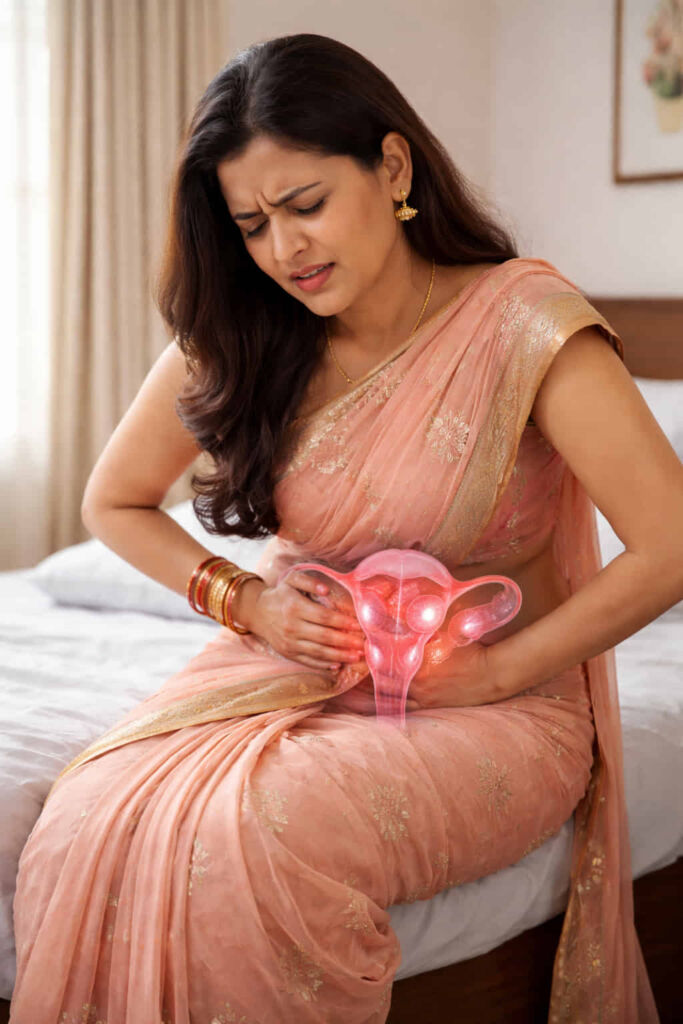
Advanced Uterine Fibroid Embolization Treatment in India
A Safe and Effective Treatment for Fibroids Without Major Surgery
Uterine Fibroid Embolization (UFE) is a minimally invasive treatment designed to shrink Uterine Fibroids by blocking their blood supply while preserving the uterus. It is commonly recommended for women experiencing heavy bleeding, pelvic pain, or pressure due to fibroids, especially those who want to avoid major surgery.
Using advanced image-guided technology, a thin catheter is inserted through a small puncture to precisely deliver embolic agents that block blood flow to fibroids. This targeted approach reduces symptoms, minimizes complications, shortens recovery time, and provides an effective alternative to hysterectomy or myomectomy.
Impact of Untreated Uterine Fibroids
💔 Career Impact
Missed workdays, reduced productivity, and difficulty managing daily responsibilities due to fatigue, pain, and heavy bleeding.
💔 Lifestyle & Relationship Strain
Discomfort, pain during intimacy, and constant fatigue can affect personal relationships and overall quality of life.
💔 Mental Health
Stress, anxiety, and emotional exhaustion caused by chronic symptoms and ongoing discomfort.
💔 Financial Burden
Recurring medical expenses, ongoing treatments, and loss of income due to health-related limitations.

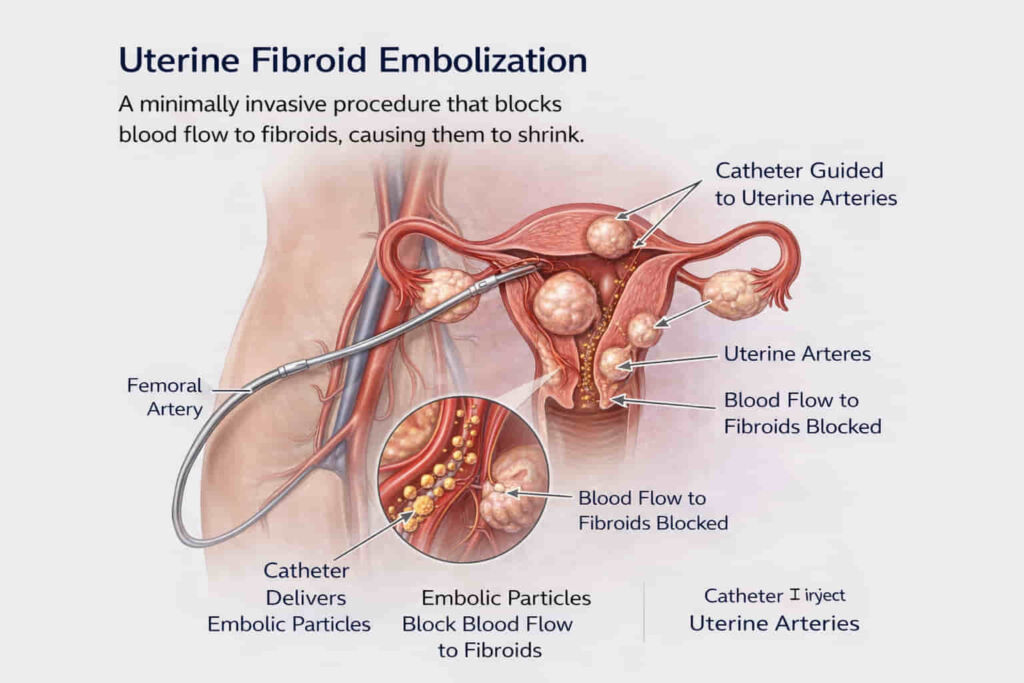
How Uterine Fibroid Embolization Works for Fibroid Treatment
A minimally invasive treatment that blocks blood flow to fibroids, shrinking them while preserving the uterus.
Image-Guided Targeting of Fibroids
A thin catheter is carefully inserted through a small puncture (usually in the groin or wrist) and guided precisely to the uterine arteries using advanced imaging such as fluoroscopy. This ensures accurate targeting of fibroids while protecting surrounding healthy tissue.
Insertion of Microcatheter
Once positioned, a specialized microcatheter is navigated into the arteries supplying the fibroids. This allows for precise delivery of treatment directly to the affected area.
Blocking Blood Supply (Embolization)
Tiny embolic particles are injected through the catheter to block the blood flow to the fibroids. Without blood supply, the fibroids begin to shrink and symptoms start to improve.
Reduction of Fibroid Size and Symptoms
As the fibroids lose their blood supply, they gradually shrink over weeks to months. This leads to relief from symptoms such as heavy bleeding, pelvic pain, and pressure.
Natural Healing and Uterus Preservation
The treated fibroids are slowly broken down and absorbed by the body over time. The uterus remains intact, making this a safe and effective alternative to major surgery.
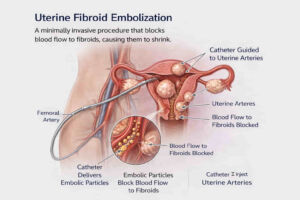
Get a complete, detailed explanation of UFE by Dr Ram Kishore
How Uterine Fibroid Embolization Works for Fibroid Treatment
A minimally invasive treatment that blocks blood flow to fibroids, shrinking them while preserving the uterus.
Image-Guided Targeting of Fibroids
A thin catheter is carefully inserted through a small puncture (usually in the groin or wrist) and guided precisely to the uterine arteries using advanced imaging such as fluoroscopy. This ensures accurate targeting of fibroids while protecting surrounding healthy tissue.
Insertion of Microcatheter
Once positioned, a specialized microcatheter is navigated into the arteries supplying the fibroids. This allows for precise delivery of treatment directly to the affected area.
Blocking Blood Supply (Embolization)
Tiny embolic particles are injected through the catheter to block the blood flow to the fibroids. Without blood supply, the fibroids begin to shrink and symptoms start to improve.
Reduction of Fibroid Size and Symptoms
As the fibroids lose their blood supply, they gradually shrink over weeks to months. This leads to relief from symptoms such as heavy bleeding, pelvic pain, and pressure.
Natural Healing and Uterus Preservation
The treated fibroids are slowly broken down and absorbed by the body over time. The uterus remains intact, making this a safe and effective alternative to major surgery.
Uterine Fibroid Embolization vs Fibroid Surgery: Which Is Better for Fibroid Treatment?
Compare uterine fibroid embolization and fibroid surgery based on effectiveness, recovery, and outcomes.
🛡️ Benefits of Uterine Fibroid Embolization (UFE)
- Minimally invasive procedure – No major cuts, stitches, or surgical scars
- Preserves the uterus – Treats fibroids without removing the uterus
- Short hospital stay – Usually same-day or next-day discharge
- Faster recovery – Return to normal activities within 1–2 weeks
- Effective symptom relief – Reduces heavy bleeding, pain, and pressure
- Image-guided precision – Targets fibroids accurately while protecting healthy tissue
- Lower risk of complications – Less bleeding, infection, and surgical risks
- Multiple fibroids treated at once – Effective for treating several fibroids in a single procedure
⚡ Limitations of Traditional Fibroid Surgery (Hysterectomy/Myomectomy)
- Surgical incisions required – Open or laparoscopic surgery with cuts
- Longer hospital stay – Several days of hospitalization needed
- Extended recovery time – 4–6 weeks for full recovery
- Post-surgical pain – More discomfort and longer healing period
- Risk of complications – Includes infection, bleeding, and adhesions
- Loss of uterus (in hysterectomy) – Permanent removal of the uterus
- Not ideal for all patients – Higher risk in elderly or medically unfit patients
- General anesthesia risks – Not suitable for some individuals
Uterine Fibroid Embolization vs Fibroid Surgery: Which Is Better for Fibroid Treatment?
Compare uterine fibroid embolization and fibroid surgery based on effectiveness, recovery, and outcomes.
🛡️ Benefits of Uterine Fibroid Embolization (UFE)
- Minimally invasive procedure – No major cuts, stitches, or surgical scars
- Preserves the uterus – Treats fibroids without removing the uterus
- Short hospital stay – Usually same-day or next-day discharge
- Faster recovery – Return to normal activities within 1–2 weeks
- Effective symptom relief – Reduces heavy bleeding, pain, and pressure
- Image-guided precision – Targets fibroids accurately while protecting healthy tissue
- Lower risk of complications – Less bleeding, infection, and surgical risks
- Multiple fibroids treated at once – Effective for treating several fibroids in a single procedure
⚡Limitations of Traditional Fibroid Surgery (Hysterectomy/Myomectomy)
- Surgical incisions required – Open or laparoscopic surgery with cuts
- Longer hospital stay – Several days of hospitalization needed
- Extended recovery time – 4–6 weeks for full recovery
- Post-surgical pain – More discomfort and longer healing period
- Risk of complications – Includes infection, bleeding, and adhesions
- Loss of uterus (in hysterectomy) – Permanent removal of the uterus
- Not ideal for all patients – Higher risk in elderly or medically unfit patients
- General anesthesia risks – Not suitable for some individuals
★★★★★
“I had been suffering from extremely heavy periods and fatigue for years due to fibroids. It was affecting my work and daily life. I was advised surgery, but I wanted to avoid losing my uterus.After choosing uterine fibroid embolization, the procedure was smooth and required only a short hospital stay. Within a week, I started feeling better, and over the next few months, my bleeding reduced significantly.Today, I feel like I have my life back. I only wish I had known about this treatment earlier.”

Priya Menon
Chennai, India
Age 38 | 1 years Post – Uterine Fibroid Embolization
★★★★★
“When I learned I had a kidney tumor, I was concerned about the risks and long recovery associated with traditional surgery. My doctor recommended renal cryoablation as a safe, image-guided treatment. The procedure was minimally invasive, with very little pain and a short hospital stay. I was back to my normal routine within days, and my kidney function remained unaffected. I’m thankful for this effective kidney cancer treatment option.”

Sneha Reddy
Hyderabad, India
Age 42 | 1.1 years Post – Uterine Fibroid Embolization
Real Patient Experiences with Uterine Fibroid Embolization Treatment
★★★★★
“I had been suffering from extremely heavy periods and fatigue for years due to fibroids. It was affecting my work and daily life. I was advised surgery, but I wanted to avoid losing my uterus.After choosing uterine fibroid embolization, the procedure was smooth and required only a short hospital stay. Within a week, I started feeling better, and over the next few months, my bleeding reduced significantly.Today, I feel like I have my life back. I only wish I had known about this treatment earlier.”

Priya Menon
Chennai, India
Age 38 | 1 years Post – Uterine Fibroid Embolization
★★★★★
“I was dealing with constant pelvic pain, bloating, and frequent urination because of fibroids. It was physically and emotionally exhausting.I underwent uterine fibroid embolization, and the experience was far easier than I expected. There was no major surgery, and my recovery was quick.Within a few months, my symptoms improved drastically. The pain is gone, and I can finally live comfortably again. This treatment truly changed my quality of life.”

Sneha Reddy
Hyderabad, India
Age 42 | 1.1 years Post – Uterine Fibroid Embolization
Frequently Asked Questions About Uterine Fibroid Embolization
What is Uterine Fibroid Embolization (UFE)?
Uterine Fibroid Embolization (UFE) is a minimally invasive procedure for fibroid treatment that blocks the blood supply to uterine fibroids, causing them to shrink over time. Unlike traditional surgery, UFE is performed by an interventional radiologist using a small catheter, making it a preferred non-surgical alternative to hysterectomy. This treatment is highly effective in relieving symptoms such as heavy menstrual bleeding, pelvic pain, and pressure.
Who is the ideal candidate for Uterine Fibroid Embolization?
Women experiencing symptoms like heavy periods, pelvic pressure, frequent urination, or abdominal swelling due to fibroids may be ideal candidates for UFE. It is especially suitable for those seeking a uterus-preserving fibroid treatment without major surgery. However, eligibility depends on factors such as fibroid size, location, and overall health, so a consultation with a specialist is essential.
How does Uterine Fibroid Embolization work?
During UFE, tiny particles are injected into the uterine arteries to block blood flow to the fibroids. This process leads to fibroid shrinkage and symptom relief over weeks to months. The procedure is guided by imaging, ensuring precision and safety. Because the healthy uterine tissue continues to receive blood from other sources, the uterus remains intact.
What are the benefits of UFE compared to surgery?
UFE offers several advantages over surgical treatments like hysterectomy or myomectomy. It is a minimally invasive fibroid treatment with no large incisions, shorter recovery time, and reduced risk of complications. Most patients return to normal activities within 1–2 weeks. Additionally, it preserves the uterus, which is important for women seeking fertility-preserving fibroid treatment options.
Is Uterine Fibroid Embolization safe?
Yes, UFE is considered a safe and effective treatment for uterine fibroids with a high success rate. Complications are rare but may include infection, temporary pain, or post-embolization syndrome (flu-like symptoms). The procedure is widely performed and supported by clinical studies, making it a trusted option for fibroid management.
What is the recovery time after UFE?
Recovery after UFE is relatively quick compared to surgery. Most women experience mild to moderate cramping for a few days, followed by gradual improvement. Patients can usually resume normal activities within 7–10 days, making it an attractive option for those seeking fast recovery fibroid treatment.
Will fibroids come back after embolization?
UFE significantly reduces fibroid size and symptoms, and in most cases, treated fibroids do not regrow. However, new fibroids may develop over time, especially in younger women. Long-term success rates are high, making UFE a reliable long-lasting fibroid treatment solution.
Can UFE affect fertility or pregnancy?
UFE preserves the uterus, but its impact on fertility varies. Some women have successful pregnancies after the procedure, while others may face challenges. If fertility is a priority, discussing alternative treatments like myomectomy with your doctor is recommended. UFE is often chosen for symptom relief rather than fertility planning.
Frequently Asked Questions About Uterine Fibroid Embolization
What is Uterine Fibroid Embolization (UFE)?
Uterine Fibroid Embolization (UFE) is a minimally invasive procedure for fibroid treatment that blocks the blood supply to uterine fibroids, causing them to shrink over time. Unlike traditional surgery, UFE is performed by an interventional radiologist using a small catheter, making it a preferred non-surgical alternative to hysterectomy. This treatment is highly effective in relieving symptoms such as heavy menstrual bleeding, pelvic pain, and pressure.
Who is the ideal candidate for Uterine Fibroid Embolization?
Women experiencing symptoms like heavy periods, pelvic pressure, frequent urination, or abdominal swelling due to fibroids may be ideal candidates for UFE. It is especially suitable for those seeking a uterus-preserving fibroid treatment without major surgery. However, eligibility depends on factors such as fibroid size, location, and overall health, so a consultation with a specialist is essential.
How does Uterine Fibroid Embolization work?
During UFE, tiny particles are injected into the uterine arteries to block blood flow to the fibroids. This process leads to fibroid shrinkage and symptom relief over weeks to months. The procedure is guided by imaging, ensuring precision and safety. Because the healthy uterine tissue continues to receive blood from other sources, the uterus remains intact.
What are the benefits of UFE compared to surgery?
UFE offers several advantages over surgical treatments like hysterectomy or myomectomy. It is a minimally invasive fibroid treatment with no large incisions, shorter recovery time, and reduced risk of complications. Most patients return to normal activities within 1–2 weeks. Additionally, it preserves the uterus, which is important for women seeking fertility-preserving fibroid treatment options.
Is Uterine Fibroid Embolization safe?
Yes, UFE is considered a safe and effective treatment for uterine fibroids with a high success rate. Complications are rare but may include infection, temporary pain, or post-embolization syndrome (flu-like symptoms). The procedure is widely performed and supported by clinical studies, making it a trusted option for fibroid management.
What is the recovery time after UFE?
Recovery after UFE is relatively quick compared to surgery. Most women experience mild to moderate cramping for a few days, followed by gradual improvement. Patients can usually resume normal activities within 7–10 days, making it an attractive option for those seeking fast recovery fibroid treatment.
Will fibroids come back after embolization?
UFE significantly reduces fibroid size and symptoms, and in most cases, treated fibroids do not regrow. However, new fibroids may develop over time, especially in younger women. Long-term success rates are high, making UFE a reliable long-lasting fibroid treatment solution.
Can UFE affect fertility or pregnancy?
UFE preserves the uterus, but its impact on fertility varies. Some women have successful pregnancies after the procedure, while others may face challenges. If fertility is a priority, discussing alternative treatments like myomectomy with your doctor is recommended. UFE is often chosen for symptom relief rather than fertility planning.
Your Life Doesn't Have to Be Controlled by a Tumour
Thousands of women have reclaimed their freedom through UFE, a safe and minimally invasive treatment for uterine fibroids. You don’t have to live with constant pain, heavy bleeding, or exhaustion. You deserve relief without major surgery or long recovery. Take control of your health and take the first step toward a life free from fibroid symptoms today.
Available in Hyderabad & Chennai | Cleveland Clinic Trained | 14+ Years Experience | 90% Success Rate
First Consultation is Risk-Free: Meet with Dr. Kishore, discuss your symptoms, and explore all treatment options. No pressure, no obligation. We’re here to help you make the best decision for your health.
Your Life Doesn't Have to Be Controlled by a Tumour
Thousands of women have reclaimed their freedom through UFE, a safe and minimally invasive treatment for uterine fibroids. You don’t have to live with constant pain, heavy bleeding, or exhaustion. You deserve relief without major surgery or long recovery. Take control of your health and take the first step toward a life free from fibroid symptoms today.
Available in Hyderabad & Chennai | Cleveland Clinic Trained | 14+ Years Experience | 90% Success Rate
First Consultation is Risk-Free: Meet with Dr. Kishore, discuss your symptoms, and explore all treatment options. No pressure, no obligation. We’re here to help you make the best decision for your health.