

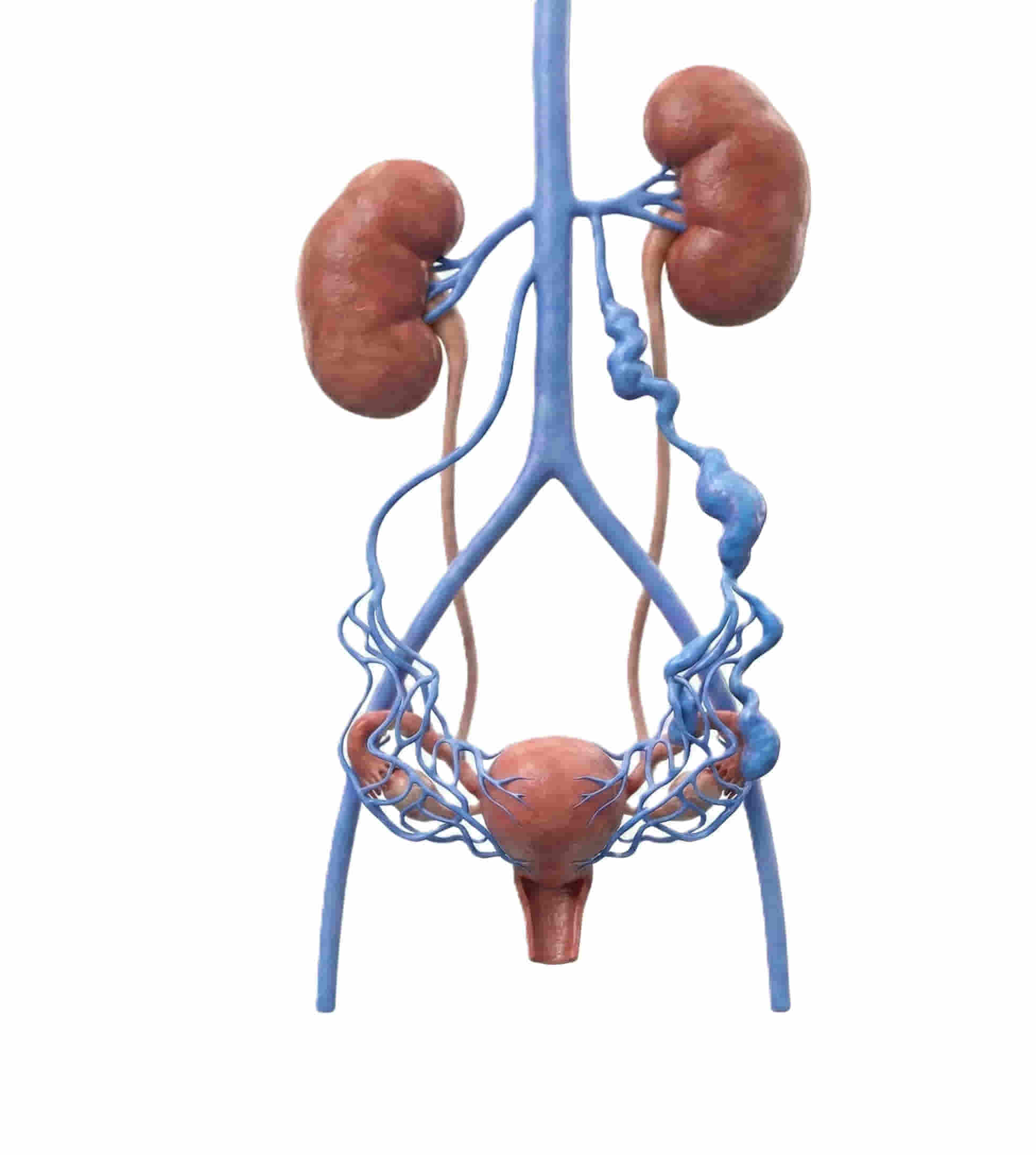
Pelvic Vein Embolization Treatment for Pelvic Congestion Syndrome in Hyderabad and Chennai

✓ Advanced Minimally Invasive Pelvic Treatment
Regain control of your life with Pelvic Vein Embolization…
A minimally invasive treatment for Pelvic Congestion Syndrome (PCS) that targets abnormal pelvic veins while preserving surrounding healthy tissue.
Pelvic vein embolization is an advanced, non-surgical procedure designed to treat pelvic congestion syndrome effectively. This targeted therapy blocks damaged veins responsible for blood pooling, reducing pressure in the pelvis and relieving chronic pain without affecting normal circulation.
 Fast Recovery in 3–5 Days
Resume daily activities quickly compared to weeks required for surgical treatments.
No Major Surgery or Scars
A catheter-based procedure is performed through a tiny puncture, ensuring minimal pain and faster healing.
Long-Term Pain Relief
Effectively reduces pelvic pressure and chronic pain caused by varicose pelvic veins.
✓ Minimally Invasive Relief for Pelvic Pain
Regain control of your life with Pelvic Vein Embolization
A minimally invasive treatment for Pelvic Congestion Syndrome (PCS) that targets abnormal pelvic veins while preserving surrounding healthy tissue.
Pelvic vein embolization is an advanced, non-surgical procedure designed to treat pelvic congestion syndrome effectively. This targeted therapy blocks damaged veins responsible for blood pooling, reducing pressure in the pelvis and relieving chronic pain without affecting normal circulation.

Fast Recovery in 3–5 Days
Resume daily activities quickly compared to weeks required for surgical treatments.
No Major Surgery or Scars
A catheter-based procedure is performed through a tiny puncture, ensuring minimal pain and faster healing.
Long-Term Pain Relief
Effectively reduces pelvic pressure and chronic pain caused by varicose pelvic veins.
Dr Ram will be consulting in Hyderabad from August 1st.
Early Symptoms of Pelvic Congestion: Warning Signs You Should Not Ignore
 Chronic Pelvic Pain
Chronic pelvic pain is the most common symptom of Pelvic Congestion Syndrome (PCS). It is a dull, aching pain caused by enlarged pelvic veins and blood pooling, often worsening after prolonged standing, during periods, or after intercourse, and improving when lying down.
Pelvic Vein Embolization treats the root cause by blocking abnormal veins, reducing pressure, and providing long-term relief without surgery.
“Persistent pelvic pain lasting for months may indicate underlying vein dysfunction, where early diagnosis and treatment can significantly improve quality of life.”
Common Signs Associated with Chronic Pelvic Pain
- Pain lasting more than 6 months
- Worsening pain by end of the day
- Relief when lying down
- Pain aggravated by prolonged standing or sitting
- Impact on daily activities and routine
 Visible Varicose Veins
Visible varicose veins in the thighs, buttocks, or vaginal area can be a sign of Pelvic Congestion Syndrome (PCS). These veins become enlarged and prominent due to blood pooling in weakened pelvic veins. They may be associated with heaviness, discomfort, or pelvic pain, especially after prolonged standing.
Pelvic Vein Embolization treats the root cause by blocking abnormal veins, reducing their appearance and relieving symptoms without surgery.
“Visible veins in the pelvic or upper thigh region may indicate underlying vein dysfunction, where timely treatment can prevent progression and improve comfort.”
Common Signs of Visible Varicose Veins
- Bulging or twisted veins in thighs or buttocks
- Bluish or purplish vein appearance
- Heaviness or aching in affected areas
- Veins more noticeable after standing
- Mild swelling around visible veins
 Worsening Pain Before or During Periods
Pain that increases before or during menstruation is a common feature of Pelvic Congestion Syndrome (PCS). Hormonal changes can cause pelvic veins to dilate further, leading to increased blood pooling and pressure in the pelvic region. This results in intensified pelvic discomfort during the menstrual cycle, often accompanied by heaviness or aching.
Pelvic Vein Embolization treats the underlying cause by blocking abnormal veins, reducing venous pressure and providing long-term relief without surgery.
“Pelvic pain that worsens during menstrual cycles may indicate underlying vein dysfunction, where early treatment can significantly improve comfort and quality of life.”
Common Signs of Period Pain
- Increased pelvic pain before menstruation
- Pain worsening during periods
- Heaviness or pressure in the pelvis
- Discomfort increasing by end of the day
- Relief when lying down
 Pain During or After Intercourse
Pain during or after intercourse (dyspareunia) is a common symptom of Pelvic Congestion Syndrome (PCS). It occurs due to increased pressure and congestion in the pelvic veins, leading to deep pelvic discomfort. This pain may persist even after intercourse and can affect overall quality of life and intimacy.
Pelvic Vein Embolization treats the underlying cause by blocking abnormal veins, reducing pelvic congestion and providing long-term relief without surgery.
“Persistent pain during or after intercourse may indicate underlying pelvic vein issues, where early treatment can help restore comfort and confidence.”
Common Signs Associated with Pain During or After Intercourse
- Deep pelvic pain during intercourse
- Pain persisting after intercourse
- Discomfort worsening over time
- Associated pelvic heaviness or pressure
- Emotional or physical discomfort affecting intimacy
 Lower Back Pain
Lower back pain is commonly associated with Pelvic Congestion Syndrome (PCS) due to increased pressure from enlarged pelvic veins. This pain is usually dull and persistent, often worsening after prolonged standing or by the end of the day, and may be accompanied by pelvic heaviness or discomfort.
Pelvic Vein Embolization treats the root cause by blocking abnormal veins, reducing venous pressure and providing long-term relief without surgery.
“Lower back pain along with pelvic discomfort may indicate underlying pelvic vein issues, where timely treatment can improve daily comfort and quality of life.”
Common Signs Associated with Lower Back Pain
- Dull, aching pain in the lower back
- Pain worsening after prolonged standing or sitting
- Discomfort increasing by evening
- Relief when lying down
- Associated pelvic heaviness or pressure
Early Symptoms of Pelvic Congestion: Warning Signs You Should Not Ignore
Chronic Pelvic Pain
Chronic pelvic pain is the most common symptom of Pelvic Congestion Syndrome (PCS). It is a dull, aching pain caused by enlarged pelvic veins and blood pooling, often worsening after prolonged standing, during periods, or after intercourse, and improving when lying down.
Pelvic Vein Embolization treats the root cause by blocking abnormal veins, reducing pressure, and providing long-term relief without surgery.
“Persistent pelvic pain lasting for months may indicate underlying vein dysfunction, where early diagnosis and treatment can significantly improve quality of life.”
Common Signs Associated with Chronic Pelvic Pain
- Pain lasting more than 6 months
- Worsening pain by end of the day
- Relief when lying down
- Pain aggravated by prolonged standing or sitting
- Impact on daily activities and routine
Visible Varicose Veins
Visible varicose veins in the thighs, buttocks, or vaginal area can be a sign of Pelvic Congestion Syndrome (PCS). These veins become enlarged and prominent due to blood pooling in weakened pelvic veins. They may be associated with heaviness, discomfort, or pelvic pain, especially after prolonged standing.
Pelvic Vein Embolization treats the root cause by blocking abnormal veins, reducing their appearance and relieving symptoms without surgery.
“Visible veins in the pelvic or upper thigh region may indicate underlying vein dysfunction, where timely treatment can prevent progression and improve comfort.”
Common Signs of Varicose Veins
- Bulging or twisted veins in thighs or buttocks
- Bluish or purplish vein appearance
- Heaviness or aching in affected areas
- Veins more noticeable after standing
- Mild swelling around visible veins
Worsening Pain Before or During Periods
Pain that increases before or during menstruation is a common feature of Pelvic Congestion Syndrome (PCS). Hormonal changes can cause pelvic veins to dilate further, leading to increased blood pooling and pressure in the pelvic region. This results in intensified pelvic discomfort during the menstrual cycle, often accompanied by heaviness or aching.
Pelvic Vein Embolization treats the underlying cause by blocking abnormal veins, reducing venous pressure and providing long-term relief without surgery.
“Pelvic pain that worsens during menstrual cycles may indicate underlying vein dysfunction, where early treatment can significantly improve comfort and quality of life.”
Common Signs of Worsen Periodic Pain
- Increased pelvic pain before menstruation
- Pain worsening during periods
- Heaviness or pressure in the pelvis
- Discomfort increasing by end of the day
- Relief when lying down
Pain During or After Intercourse
Pain during or after intercourse (dyspareunia) is a common symptom of Pelvic Congestion Syndrome (PCS). It occurs due to increased pressure and congestion in the pelvic veins, leading to deep pelvic discomfort. This pain may persist even after intercourse and can affect overall quality of life and intimacy.
Pelvic Vein Embolization treats the underlying cause by blocking abnormal veins, reducing pelvic congestion and providing long-term relief without surgery.
“Persistent pain during or after intercourse may indicate underlying pelvic vein issues, where early treatment can help restore comfort and confidence.”
Common Signs Associated with Pain During or After Intercourse
- Deep pelvic pain during intercourse
- Pain persisting after intercourse
- Discomfort worsening over time
- Associated pelvic heaviness or pressure
- Emotional or physical discomfort affecting intimacy
Lower Back Pain
Lower back pain is commonly associated with Pelvic Congestion Syndrome (PCS) due to increased pressure from enlarged pelvic veins. This pain is usually dull and persistent, often worsening after prolonged standing or by the end of the day, and may be accompanied by pelvic heaviness or discomfort.
Pelvic Vein Embolization treats the root cause by blocking abnormal veins, reducing venous pressure and providing long-term relief without surgery.
“Lower back pain along with pelvic discomfort may indicate underlying pelvic vein issues, where timely treatment can improve daily comfort and quality of life.”
Common Signs Associated with Pain During Intercourse
- Dull, aching pain in the lower back
- Pain worsening after prolonged standing or sitting
- Discomfort increases by evening
- Relief when lying down
- Associated pelvic heaviness or pressure
Board-Certified Expertise
Internationally trained with credentials from leading medical institutions
FRCR
Fellow, Royal College of Radiologists
DABIR
Diplomate, American Board of Interventional Radiology
MRCSEd
Member, Royal College of Surgeons Edinburg
40+ Publications
Peer-reviewed scientific research
Why Dr. Ram Kishore Stands Out
 Cleveland Clinic Training
Advanced interventional radiology fellowship from one of the world’s top medical institutions.
✅ Research Pioneer
40+ Peer-reviewed publications advancing the field of interventional radiology
✅ 14+ Years Experience
Thousands of successful treatments, with exceptional patient outcomes
✅ Patient-Centered Care
Evidence-based approach with focus on patient education and informed decision making
Board-Certified Expertise
Internationally trained with credentials from leading medical institutions
FRCR
Fellow, Royal College of Radiologists
DABIR
Diplomate, American Board of Interventional Radiology
MRCSEd
Member, Royal College of Surgeons Edinburgh
40+ Publications
Peer-reviewed scientific research
Why Dr. Ram Kishore Stands Out
✅ Cleveland Clinic Training
Advanced interventional radiology fellowship from one of the world’s top medical institutions.
✅ Research Pioneer
40+ Peer-reviewed publications advancing the field of interventional radiology
✅ 14+ Years Experience
Thousands of successful treatments, with exceptional patient outcomes
✅ Patien-Centered Care
Evidence-based approach with focus on patient education and informed decision making
Advanced Pelvic Congestion Syndrome Treatment in India
Treat Chronic Pelvic Pain with Minimally Invasive Pelvic Vein Embolization
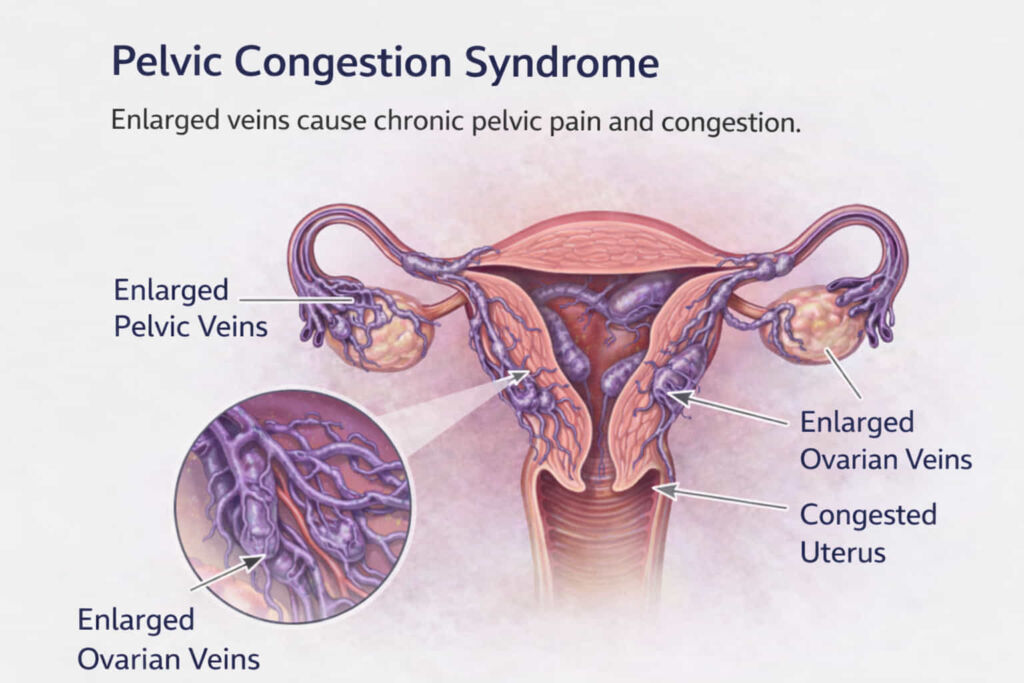
Pelvic Congestion Syndrome (PCS) is a common yet often underdiagnosed cause of chronic pelvic pain in women. It occurs due to enlarged, varicose pelvic veins that lead to blood pooling and increased pressure in the pelvic region. Unlike traditional surgical approaches, Pelvic Vein Embolization is a minimally invasive treatment that targets the root cause without major surgery.
Pelvic Congestion Syndrome (PCS) is a common yet often underdiagnosed cause of chronic pelvic pain in women. It occurs due to enlarged, varicose pelvic veins that lead to blood pooling and increased pressure in the pelvic region. Unlike traditional surgical approaches, Pelvic Vein Embolization is a minimally invasive treatment that targets the root cause without major surgery.
Impact of Untreated Pelvic Congestion
💔 Chronic Pain and Reduced Productivity
Pelvic pain disrupts daily activities and productivity.
💔 Impact on Relationships and Intimacy
Intercourse-related pain affects relationships and emotional health.
 Emotional and Mental Health Challenges
Chronic discomfort causes stress, anxiety, and lowers the quality of life.
Physical Discomfort and Lifestyle Limitations
Heaviness, fatigue, and discomfort can limit physical activity and overall mobility.

Advanced Pelvic Congestion Syndrome Treatment in India
Treat Chronic Pelvic Pain with Minimally Invasive Pelvic Vein Embolization
Pelvic Congestion Syndrome (PCS) is a common yet often underdiagnosed cause of chronic pelvic pain in women. It occurs due to enlarged, varicose pelvic veins that lead to blood pooling and increased pressure in the pelvic region. Unlike traditional surgical approaches, Pelvic Vein Embolization is a minimally invasive treatment that targets the root cause without major surgery.
Using advanced imaging guidance, a catheter is inserted through a tiny puncture to deliver embolic agents that block abnormal veins. This redirects blood flow to healthy veins, relieving pressure, reducing pain, and improving overall quality of life with faster recovery and minimal downtime.
Impact of Untreated Pelvic Congestion Syndrome on Daily Life
💔 Chronic Pain and Reduced Productivity
Pelvic pain disrupts daily activities and productivity.
💔 Impact on Relationships and Intimacy
Intercourse-related pain affects relationships and emotional health.
💔 Emotional and Mental Health Challenges
Chronic discomfort causes stress, anxiety, and lowers quality of life.
💔 Physical Discomfort and Lifestyle Limitations
Long-term use of painkillers may lead to side effects.


How Pelvic Congestion Syndrome Treatment Improves Your Life
A minimally invasive solution designed to relieve chronic pelvic pain and restore comfort, mobility, and overall well-being.
Effective Relief from Chronic Pelvic Pain
Pelvic vein embolization targets the root cause of pain by treating enlarged and damaged veins. This helps significantly reduce chronic pelvic discomfort and pressure.
Improved Daily Activities and Productivity
With reduced pain and discomfort, patients can return to normal daily routines with ease. This leads to better mobility, increased productivity, and improved overall function.
Better Emotional and Mental Well-Being
Pelvic vein embolization targets the root cause of pain by treating enlarged and damaged veins. This helps significantly reduce chronic pelvic discomfort and pressure.
Enhanced Personal Relationships
Relief from symptoms like pain during or after intercourse improves comfort and confidence. This positively impacts intimacy and strengthens personal relationships.
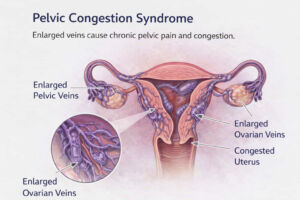
Get a complete, detailed explanation of Pelvic Congestion by Dr Ram Kishore
How Pelvic Congestion Syndrome Treatment Improves Your Life
A minimally invasive solution designed to relieve chronic pelvic pain and restore comfort, mobility, and overall well-being.
Effective Relief from Chronic Pelvic Pain
Pelvic vein embolization targets the root cause of pain by treating enlarged and damaged veins. This helps significantly reduce chronic pelvic discomfort and pressure.
Improved Daily Activities and Productivity
With reduced pain and discomfort, patients can return to normal daily routines with ease. This leads to better mobility, increased productivity, and improved overall function.
Injection of Embolic Particles
Tiny biocompatible particles are injected through the catheter to block abnormal blood flow. This reduces excess vascularity and helps control inflammation within the knee joint.
Better Emotional and Mental Well-Being
Chronic pelvic pain often leads to stress and anxiety over time. Effective treatment helps improve emotional stability and promotes better mental well-being.
Enhanced Personal Relationships
Relief from symptoms like pain during or after intercourse improves comfort and confidence. This positively impacts intimacy and strengthens personal relationships.
Pelvic Vein Embolization vs Traditional Pelvic Surgery
Discover a minimally invasive treatment with faster recovery, minimal blood loss, and lower risk than traditional surgery
🛡️Benefits of Pelvic Vein Embolization
- No large incisions – Minimally invasive procedure
- Organs preserved – No removal of uterus
- Short stay – Same or next-day discharge
- Quick Recovery – Back to normal in days
- Targeted treatment – Treats affected veins
- Lower risk – Fewer complications
- Proven effectiveness – High success rate in relieving chronic pelvic pain
- Ideal for High-Risk Patients – Safe for the elderly
⚡ Traditional Pelvic Vein Congestion Drawbacks
- Large incisions – Invasive procedure
- Organ removal – May remove uterus
- Longer stay – Multiple days in hospital
- Slow recovery – 4–6 weeks healing
- Higher blood loss – Increased risk
- Higher Complication Rate – Clots, implant issues
- Anaesthesia risks – Requires general anaesthesia with associated risks
- Not for All Patients – Risky for the elderly
Pelvic Vein Embolization vs Traditional Pelvic Surgery
Discover a minimally invasive treatment with faster recovery, minimal blood loss, and lower risk than traditional surgery.
🛡️Benefits of Pelvic Vein Embolization
- No large incisions – Minimally invasive procedure
- Organs preserved – No removal of uterus
- Short stay – Same or next-day discharge
- Quick Recovery – Back to normal in days
- Targeted treatment – Treats affected veins
- Lower risk – Fewer complications
- Proven effectiveness – High success rate in relieving chronic pelvic pain
- Ideal for High-Risk Patients – Safe for the elderly
⚡ Traditional Pelvic Vein Congestion Drawbacks
- Large incisions – Invasive procedure
- Organ removal – May remove uterus
- Longer stay – Multiple days in hospital
- Slow recovery – 4–6 weeks healing
- Higher blood loss – Increased risk
- Higher Complication Rate – Clots, implant issues
- Not for All Patients – Risky for the elderly
- Anaesthesia risks – Requires general anaesthesia with associated risks
★★★★★
“I had been struggling with chronic pelvic pain for years, and it was affecting my daily life and mental well-being. After undergoing pelvic vein embolization, I experienced significant relief within weeks. The procedure was quick, minimally invasive, and I was able to return to my normal routine much faster than expected.”

Kavita Nair
Chennai, India
Age 39 | 1 years Post – Pelvic Vein Embolization
★★★★★
“Pelvic congestion syndrome was impacting both my personal life and comfort. I was hesitant about surgery, but pelvic vein embolization was a game-changer. The pain reduced drastically, and I feel more active and confident now. I highly recommend this treatment to anyone dealing with similar symptoms.”

Pooja Kulkarni
Hyderabad, India
Age 44 | 1 years Post – Pelvic Vein Embolization
Patient Experiences with Pelvic Vein Embolization Treatment
★★★★★
“I had been struggling with chronic pelvic pain for years, and it was affecting my daily life and mental well-being. After undergoing pelvic vein embolization, I experienced significant relief within weeks. The procedure was quick, minimally invasive, and I was able to return to my normal routine much faster than expected.”

Kavita Nair
Chennai, India
Age 39 | 1 years Post – Pelvic Vein Embolization
★★★★★
“Pelvic congestion syndrome was impacting both my personal life and comfort. I was hesitant about surgery, but pelvic vein embolization was a game-changer. The pain reduced drastically, and I feel more active and confident now. I highly recommend this treatment to anyone dealing with similar symptoms.”

Pooja Kulkarni
Hyderabad, India
Age 44 | 2 years Post – Pelvic Vein Embolization
Frequently Asked Questions About Pelvic Vein Embolization
What is Pelvic Congestion Syndrome (PCS)?
Pelvic Congestion Syndrome is a condition caused by enlarged and weakened pelvic veins, leading to chronic pelvic pain. It commonly affects women, especially after pregnancy. The pain may worsen after long periods of standing or sitting. Early diagnosis and treatment can significantly improve quality of life.
What are the common symptoms of Pelvic Congestion Syndrome?
Common symptoms include persistent pelvic pain, heaviness, and discomfort, especially after prolonged standing. Some women also experience pain during or after intercourse and visible varicose veins. Symptoms may worsen during menstruation or at the end of the day. Proper evaluation is important for accurate diagnosis.
What causes Pelvic Congestion Syndrome?
PCS is caused by faulty valves in the pelvic veins, leading to blood pooling and vein enlargement. Hormonal factors and multiple pregnancies can increase the risk. Over time, this pressure causes chronic pain and discomfort. Identifying the underlying cause helps guide effective treatment.
How is Pelvic Congestion Syndrome diagnosed?
Diagnosis involves imaging tests such as ultrasound, CT scan, or MRI to visualize enlarged pelvic veins. In some cases, venography is used for a more detailed evaluation. These tests help confirm the condition and rule out other causes of pelvic pain. Early diagnosis leads to better treatment outcomes.
What is Pelvic Vein Embolization?
Pelvic Vein Embolization is a minimally invasive procedure used to treat PCS by blocking the affected veins. A small catheter is inserted to deliver coils or embolic agents that stop abnormal blood flow. This reduces pressure in the veins and relieves pain. It is a safe and effective alternative to surgery.
Is Pelvic Vein Embolization safe?
Yes, pelvic vein embolization is considered a safe and low-risk procedure when performed by experienced specialists. It does not require major surgery or long hospital stays. Most patients return home the same day or next day. Complications are rare and recovery is typically quick.
How long does recovery take after embolization?
Recovery after pelvic vein embolization is usually quick compared to traditional surgery. Most patients resume normal activities within a few days to a couple of weeks. Mild discomfort may occur initially but improves rapidly. The procedure allows faster healing with minimal downtime.
Frequently Asked Questions About Pelvic Pain Embolization
Pelvic vein embolization provides long-term relief for most patients by treating the root cause. While results are highly effective, follow-up care is important to monitor progress. Lifestyle changes and regular check-ups can help maintain results. Many patients experience lasting improvement in symptoms.
Frequently Asked Questions About Pelvic Vein Embolization
What is Pelvic Congestion Syndrome (PCS)?
Pelvic Congestion Syndrome is a condition caused by enlarged and weakened pelvic veins, leading to chronic pelvic pain. It commonly affects women, especially after pregnancy. The pain may worsen after long periods of standing or sitting. Early diagnosis and treatment can significantly improve quality of life.
What are the common symptoms of Pelvic Congestion Syndrome?
Common symptoms include persistent pelvic pain, heaviness, and discomfort, especially after prolonged standing. Some women also experience pain during or after intercourse and visible varicose veins. Symptoms may worsen during menstruation or at the end of the day. Proper evaluation is important for accurate diagnosis.
What causes Pelvic Congestion Syndrome?
PCS is caused by faulty valves in the pelvic veins, leading to blood pooling and vein enlargement. Hormonal factors and multiple pregnancies can increase the risk. Over time, this pressure causes chronic pain and discomfort. Identifying the underlying cause helps guide effective treatment.
How is Pelvic Congestion Syndrome diagnosed?
Diagnosis involves imaging tests such as ultrasound, CT scan, or MRI to visualize enlarged pelvic veins. In some cases, venography is used for a more detailed evaluation. These tests help confirm the condition and rule out other causes of pelvic pain. Early diagnosis leads to better treatment outcomes.
What is Pelvic Vein Embolization?
Pelvic Vein Embolization is a minimally invasive procedure used to treat PCS by blocking the affected veins. A small catheter is inserted to deliver coils or embolic agents that stop abnormal blood flow. This reduces pressure in the veins and relieves pain. It is a safe and effective alternative to surgery.
Is Pelvic Vein Embolization safe?
Yes, pelvic vein embolization is considered a safe and low-risk procedure when performed by experienced specialists. It does not require major surgery or long hospital stays. Most patients return home the same day or next day. Complications are rare and recovery is typically quick.
How long does recovery take after embolization?
Recovery after pelvic vein embolization is usually quick compared to traditional surgery. Most patients resume normal activities within a few days to a couple of weeks. Mild discomfort may occur initially but improves rapidly. The procedure allows faster healing with minimal downtime.
Can Pelvic Congestion Syndrome be permanently cured?
Pelvic vein embolization provides long-term relief for most patients by treating the root cause. While results are highly effective, follow-up care is important to monitor progress. Lifestyle changes and regular check-ups can help maintain results. Many patients experience lasting improvement in symptoms.
Your Life Doesn't Have to Be Controlled by a Tumour
Thousands of women have reclaimed their freedom through UFE, a safe and minimally invasive treatment for uterine fibroids. You don’t have to live with constant pain, heavy bleeding, or exhaustion. You deserve relief without major surgery or long recovery. Take control of your health and take the first step toward a life free from fibroid symptoms today.
Available in Hyderabad & Chennai | Cleveland Clinic Trained | 14+ Years Experience | 90% Success Rate
First Consultation is Risk-Free: Meet with Dr. Kishore, discuss your symptoms, and explore all treatment options. No pressure, no obligation. We’re here to help you make the best decision for your health.
Your Life Doesn't Have to Be Controlled by a Tumour
Thousands of women have reclaimed their freedom through UFE, a safe and minimally invasive treatment for uterine fibroids. You don’t have to live with constant pain, heavy bleeding, or exhaustion. You deserve relief without major surgery or long recovery. Take control of your health and take the first step toward a life free from fibroid symptoms today.
Available in Hyderabad & Chennai | Cleveland Clinic Trained | 14+ Years Experience | 90% Success Rate
First Consultation is Risk-Free: Meet with Dr. Kishore, discuss your symptoms, and explore all treatment options. No pressure, no obligation. We’re here to help you make the best decision for your health.