

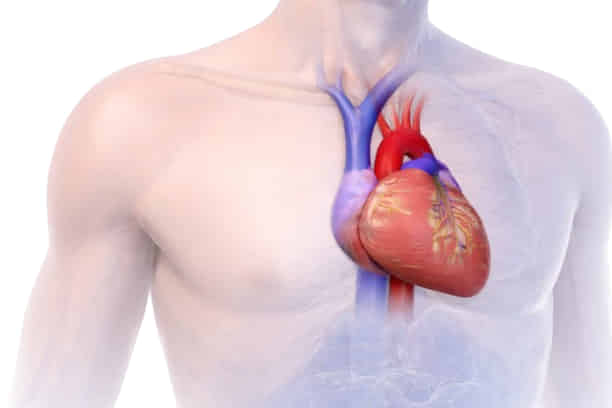
Advanced external central venous access procedure for critical care in Hyderabad and Chennai
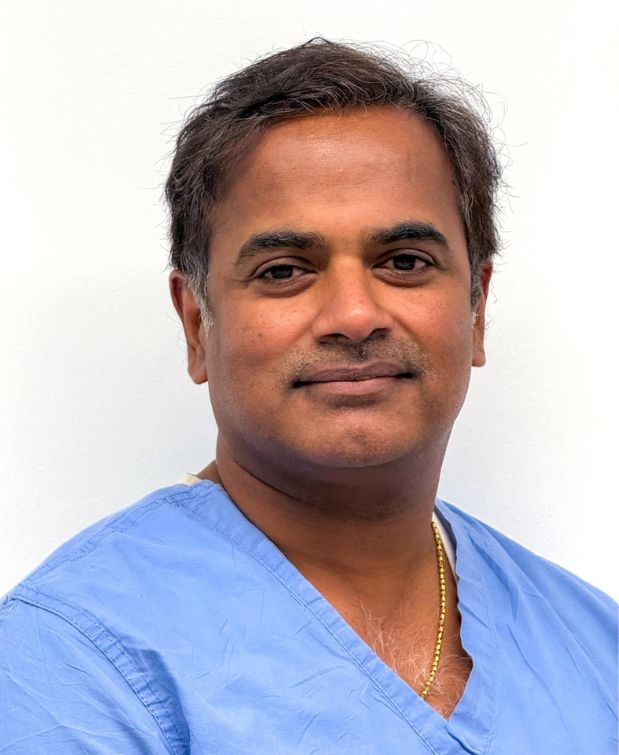
✓ Image-Guided Central Venous Access Procedures
Restore Lifesaving Treatment Access with Expert Venous Solutions
A specialized, minimally invasive approach designed for patients with blocked or inaccessible central veins, ensuring uninterrupted delivery of critical treatments.
Extreme Central Venous Access involves advanced, image-guided techniques performed by interventional radiology experts to establish or restore venous pathways when conventional access points are no longer viable. These procedures are crucial for patients requiring long-term therapies such as dialysis, chemotherapy, or intravenous medications.
 Restores Access When Others Fail
Enables treatment even in patients with completely blocked or damaged veins.
Minimally Invasive, Image-Guided Procedure
Performed using real-time imaging for precision, safety, and reduced complications.
Avoids Major Surgical Intervention
Eliminates the need for complex open surgeries with faster recovery times.
✓ Image-Guided Central Venous Access Procedures
Restore Lifesaving Treatment Access with Expert Venous Solutions
A specialized, minimally invasive approach designed for patients with blocked or inaccessible central veins, ensuring uninterrupted delivery of critical treatments.
Extreme Central Venous Access involves advanced, image-guided techniques performed by interventional radiology experts to establish or restore venous pathways when conventional access points are no longer viable. These procedures are crucial for patients requiring long-term therapies such as dialysis, chemotherapy, or intravenous medications.

Restores Access When Others Fail
Eliminates the need for complex open surgeries with faster recovery times.
Minimally Invasive, Image-Guided Procedure
Performed using real-time imaging for precision, safety, and reduced complications.
Avoids Major Surgical Intervention
Eliminates the need for complex open surgeries with faster recovery times.
Dr Ram will be consulting in Hyderabad from August 1st.
Early Signs That May Require Extreme Central Venous Access
 Swelling of Face, Neck, or Arms
Swelling in the face, neck, or arms can be an early sign of blocked central veins. When blood flow to the heart is restricted, fluid builds up in surrounding tissues, causing visible swelling and discomfort. Early identification helps doctors plan advanced venous access solutions before complications worsen.
“You might notice persistent puffiness or tightness in your upper body.”
Common Signs Associated with Unexplained Weight Loss
- Puffiness in the face, neck, or arms
- Tightness or heaviness in the upper body
- Swelling that worsens over time
- Discomfort when lying down
- Reduced mobility due to swelling
 Visible Enlarged Veins on Chest or Neck
Prominent veins on the chest or neck can indicate rerouting of blood due to blocked major veins. When normal pathways are obstructed, smaller veins enlarge to compensate. This is often a visible sign of underlying venous obstruction.
“You may feel exhausted all the time, even after a full night’s sleep.”
Common Signs Associated with Fatigue & Weakness
- Bulging of veins on the chest or neck
- Darkened or prominent vein patterns
- Veins are becoming more visible over time
- Mild discomfort around visible veins
- Warm sensation near the affected area
 Frequent Catheter Failures
Repeated failure in placing or maintaining catheters is a strong indicator of damaged or blocked veins. This can disrupt essential treatments and signals the need for alternative access methods, ensuring reliable long-term vascular access and uninterrupted delivery of critical therapies.
“You may experience repeated difficulty during IV or catheter placement.”
Common Signs Associated with Catheter Failure
- Difficulty inserting catheters
- Frequent need for repositioning
- Poor blood flow through the line
- Catheter not functioning properly
- Repeated unsuccessful attempts
 Pain or Discomfort at Access Sites
Persistent pain at previous catheter or access sites may indicate scarring, inflammation, or narrowing of veins. This discomfort can worsen with repeated procedures and may signal deeper vascular issues, requiring timely evaluation, imaging studies, and advanced interventional techniques to restore proper venous access.
“You might feel ongoing soreness or tenderness at previous treatment sites.”
Common Signs Associated with Access Site Pain
- Tenderness around the catheter areas
- Sharp or dull pain near the veins
- Pain during or after procedures
- Local swelling or redness
- Sensitivity to touch
 Difficulty in Dialysis or Treatment Delivery
When veins are blocked or narrowed, treatments like dialysis may become less effective. Poor flow or frequent interruptions can significantly impact overall treatment outcomes, patient health, and long-term recovery progress.
“You may notice treatments taking longer or not working effectively.”
Common Signs Associated with Treatment Difficulty
- Slow or poor dialysis flow rates
- Frequent machine alarms during dialysis
- Incomplete or ineffective treatment sessions
- Need for repeated access adjustments
- Increased fatigue after treatment
Early Signs That May Require Extreme Central Venous Access
Swelling of Face, Neck, or Arms
Swelling in the face, neck, or arms can be an early sign of blocked central veins. When blood flow to the heart is restricted, fluid builds up in surrounding tissues, causing visible swelling and discomfort. Early identification helps doctors plan advanced venous access solutions before complications worsen.
“You might notice persistent puffiness or tightness in your upper body.”
Common Signs Associated with Swelling
- Puffiness in the face, neck, or arms
- Tightness or heaviness in the upper body
- Swelling that worsens over time
- Discomfort when lying down
- Reduced mobility due to swelling
Visible Enlarged Veins on Chest or Neck
Prominent veins on the chest or neck can indicate rerouting of blood due to blocked major veins. When normal pathways are obstructed, smaller veins enlarge to compensate. This is often a visible sign of underlying venous obstruction.
“You may see unusual, bulging veins that were not visible before.”
Common Signs Associated with Enlarged Veins
- Bulging of veins on the chest or neck
- Darkened or prominent vein patterns
- Veins are becoming more visible over time
- Mild discomfort around visible veins
- Warm sensation near the affected area
Frequent Catheter Failures
Repeated failure in placing or maintaining catheters is a strong indicator of damaged or blocked veins. This can disrupt essential treatments and signals the need for alternative access methods, ensuring reliable long-term vascular access and uninterrupted delivery of critical therapies.
“You may experience repeated difficulty during IV or catheter placement.”
Common Signs Associated with Catheter Failure
- Difficulty inserting catheters
- Frequent need for repositioning
- Poor blood flow through the vines
- Catheter not functioning properly
- Repeated unsuccessful attempt
Pain or Discomfort at Access Sites
Persistent pain at previous catheter or access sites may indicate scarring, inflammation, or narrowing of veins. This discomfort can worsen with repeated procedures and may signal deeper vascular issues, requiring timely evaluation, imaging studies, and advanced interventional techniques to restore proper venous access.
“You might feel ongoing soreness or tenderness at previous treatment sites.”
Common Signs Associated with Access Site Pain
- Tenderness around the catheter areas
- Sharp or dull pain near the veins
- Pain during or after procedures
- Local swelling or redness
- Sensitivity to touch
Difficulty in Dialysis or Treatment Delivery
When veins are blocked or narrowed, treatments like dialysis may become less effective. Poor flow or frequent interruptions can significantly impact overall treatment outcomes, patient health, and long-term recovery progress.
“You may notice treatments taking longer or not working effectively.”
Common Signs Associated with Treatment Difficulty
- Slow or poor dialysis flow rates
- Frequent machine alarms during dialysis
- Incomplete or ineffective treatment sessions
- Increased fatigue after treatment
- Need for repeated access adjustments
Board-Certified Expertise
Internationally trained with credentials from leading medical institutions
FRCR
Fellow, Royal College of Radiologists
DABIR
Diplomate, American Board of Interventional Radiology
MRCSEd
Member, Royal College of Surgeons Edinburg
40+ Publications
Peer-reviewed scientific research
Why Dr. Ram Kishore Stands Out
 Cleveland Clinic Training
Advanced interventional radiology fellowship from one of the world’s top medical institutions.
✅ Research Pioneer
40+ Peer-reviewed publications advancing the field of interventional radiology
✅ 14+ Years Experience
Thousands of successful treatments, with exceptional patient outcomes
✅ Patient-Centered Care
Evidence-based approach with focus on patient education and informed decision making
Board-Certified Expertise
Internationally trained with credentials from leading medical institutions
FRCR
Fellow, Royal College of Radiologists
DABIR
Diplomate, American Board of Interventional Radiology
MRCSEd
Member, Royal College of Surgeons Edinburgh
40+ Publications
Peer-reviewed scientific research
Why Dr. Ram Kishore Stands Out
✅ Cleveland Clinic Training
Advanced interventional radiology fellowship from one of the world’s top medical institutions.
✅ Research Pioneer
40+ Peer-reviewed publications advancing the field of interventional radiology
✅ 14+ Years Experience
Thousands of successful treatments, with exceptional patient outcomes
✅ Patien-Centered Care
Evidence-based approach with focus on patient education and informed decision making
Advanced Extreme Central Venous Access Treatment in India
Restore Critical Venous Access with Minimally Invasive Techniques
Extreme Central Venous Access is an advanced, minimally invasive procedure used when standard catheter placement is not possible due to blocked or damaged veins. Using image-guided techniques, interventional radiologists can safely restore venous access even in complex cases.
This procedure is essential for patients needing ongoing treatments like chemotherapy, dialysis, or long-term IV therapy, ensuring uninterrupted care. It helps re-establish reliable vascular access while reducing risks, minimizing recovery time, and improving overall treatment outcomes.
Impact of Failed Venous Access on Daily Life
💔 Interrupted Medical Treatments
Failed venous access can delay critical treatments like chemotherapy and dialysis, affecting recovery.
💔 Repeated Catheter Procedures
Multiple catheter attempts can cause pain, discomfort, and increased complications.
 Higher Risk of Venous Complications
Blocked veins increase the risk of infection, swelling, and thrombosis.
Emotional & Financial Burden
Ongoing treatment delays can lead to stress and rising healthcare costs.
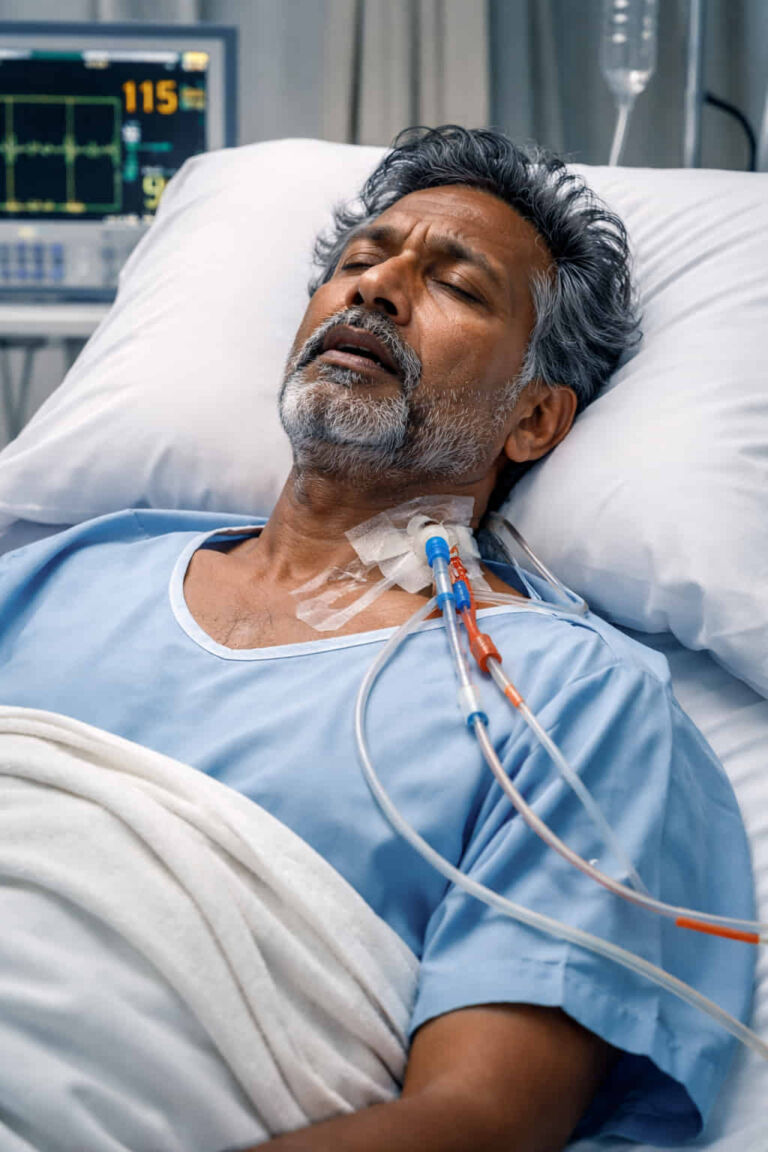
Advanced Extreme Central Venous Access Treatment in India
Restore Critical Venous Access with Minimally Invasive Techniques
Extreme Central Venous Access is an advanced, minimally invasive procedure used when standard catheter placement is not possible due to blocked or damaged veins. Using image-guided techniques, interventional radiologists can safely restore venous access even in complex cases.
This procedure is essential for patients needing ongoing treatments like chemotherapy, dialysis, or long-term IV therapy, ensuring uninterrupted care. It helps re-establish reliable vascular access while reducing risks, minimizing recovery time, and improving overall treatment outcomes.
Impact of Failed Venous Access on Daily Life
💔 Interrupted Medical Treatments
Failed venous access can delay critical treatments like chemotherapy and dialysis, affecting recovery.
💔 Repeated Catheter Procedures
Multiple catheter attempts can cause pain, discomfort, and increased complications.
💔 Higher Risk of Venous Complications
Blocked veins increase the risk of infection, swelling, and thrombosis.
💔 Emotional & Financial Burden
Ongoing treatment delays can lead to stress and rising healthcare costs.

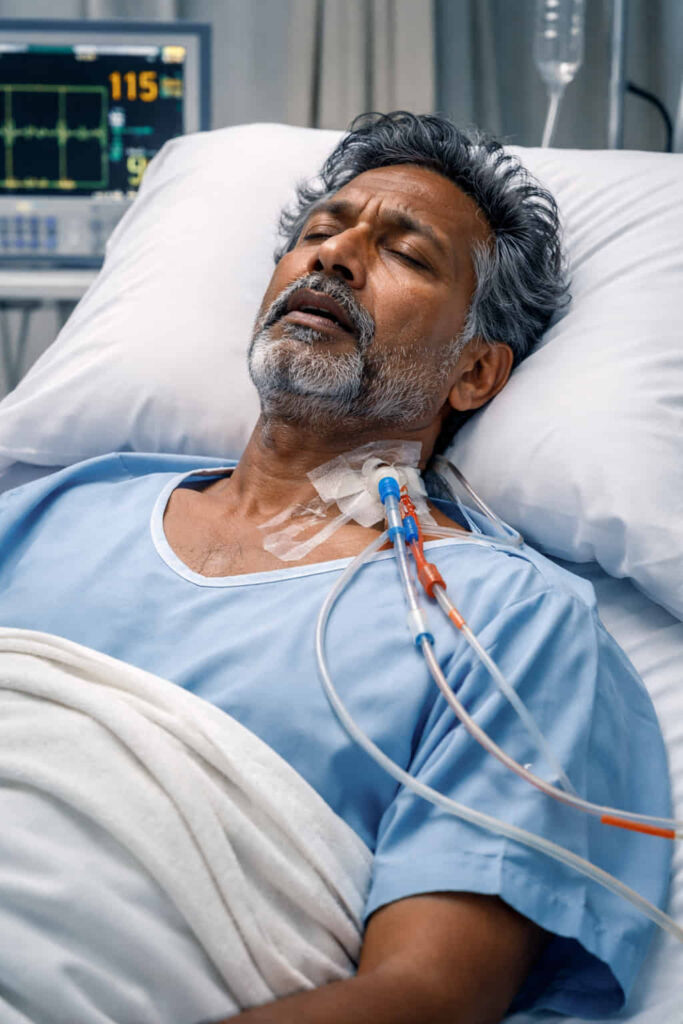
How Extreme Central Venous Access is Managed in Critical Patients
A specialized, life-saving approach for patients with difficult or blocked vein access
Advanced Imaging-Guided Vein Access
A thin catheter is carefully inserted using real-time imaging techniques like ultrasound or fluoroscopy. This helps doctors safely navigate through complex or blocked veins and gain precise vascular access when conventional methods fail.
Alternative Access Routes (Transhepatic / Translumbar)
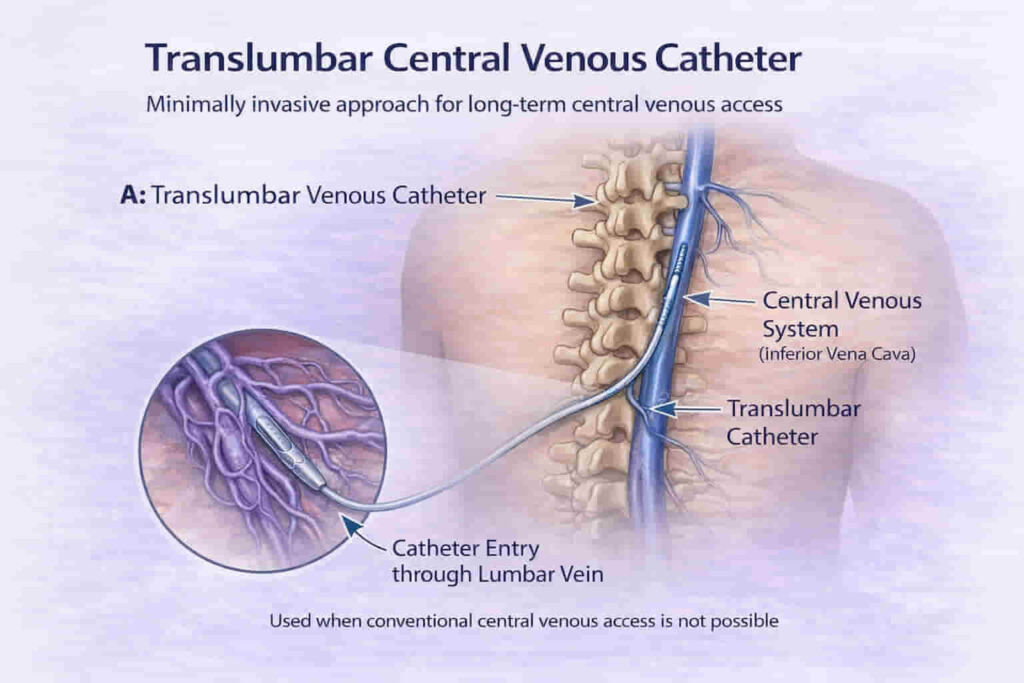
When standard veins are no longer usable, specialized routes such as transhepatic or translumbar access are used. These approaches allow direct entry into central veins, ensuring continued treatment for critically ill patients.
Restoring Blood Flow with Recanalization
In cases of blocked veins, interventional techniques are used to reopen (recanalize) the vessel. This restores proper blood flow and allows placement of catheters for dialysis, chemotherapy, or long-term medication delivery.
Securing Reliable Long-Term Access
Once access is established, catheters are securely placed to ensure consistent and reliable treatment. This is crucial for patients requiring ongoing therapies like dialysis or intensive care support.
Symptom Relief and Life-Saving Support
By restoring vascular access, patients experience relief from complications like swelling, pain, and failed treatments. Most importantly, it ensures uninterrupted life-saving therapies and improves overall survival chances.
Get a complete, detailed explanation of Extreme Central Venous access by Dr Ram Kishore
How Extreme Central Venous Access is Managed in Critical Patients
A specialized, life-saving approach for patients with difficult or blocked vein access
Advanced Imaging-Guided Vein Access
A thin catheter is carefully inserted using real-time imaging techniques like ultrasound or fluoroscopy. This helps doctors safely navigate through complex or blocked veins and gain precise vascular access when conventional methods fail.
Alternative Access Routes (Transhepatic / Translumbar)
When standard veins are no longer usable, specialized routes such as transhepatic or translumbar access are used. These approaches allow direct entry into central veins, ensuring continued treatment for critically ill patients.
Restoring Blood Flow with Recanalization
In cases of blocked veins, interventional techniques are used to reopen (recanalize) the vessel. This restores proper blood flow and allows placement of catheters for dialysis, chemotherapy, or long-term medication delivery.
Securing Reliable Long-Term Access
Once access is established, catheters are securely placed to ensure consistent and reliable treatment. This is crucial for patients requiring ongoing therapies like dialysis or intensive care support.
Symptom Relief and Life-Saving Support
By restoring vascular access, patients experience relief from complications like swelling, pain, and failed treatments. Most importantly, it ensures uninterrupted life-saving therapies and improves overall survival chances.
External Central Venous Access: Reliable Vascular Access Without Major Surgery
External Central Venous Access vs Traditional Access Methods: Effectiveness, Safety, and Patient Comfort
 Benefits of Interventional Oncology
- Minimally Invasive Access – Image-guided catheter placement without major surgery
- Reliable Vascular Access – Ensures long-term access when conventional routes fail
- Faster Recovery – Short procedure time with quick return to normal activity
- Reduced Complications – Lower risk compared to repeated failed access attempts
- Preserves Veins – Avoids damage to remaining peripheral and central veins
- Outpatient Procedure – Minimal hospital stay required
- Repeatable Access – Can be performed again if needed
- Improved Patient Comfort – Less discomfort with stable long-term access
⚡ Limitations of Traditional Cancer Surgery
- More Invasive Approach – Repeated needle attempts or surgical cut-down may be required
- Procedure Delays – Difficult access in blocked or damaged veins
- Increased Discomfort – Multiple punctures can cause pain and distress
- Higher Complication Risk – Greater chances of infection, bleeding, or vein injury
- Vein Damage – Can lead to scarring or loss of usable veins
- Not Ideal for Complex Cases – Challenging in patients with exhausted venous access
- Frequent Replacements – Catheters may need repeated repositioning or reinsertion
- Reduced Patient Comfort – Unstable access can affect overall treatment experience
External Central Venous Access: Reliable Vascular Access Without Major Surgery
External Central Venous Access vs Traditional Access Methods: Effectiveness, Safety, and Patient Comfort
🛡️Benefits of Interventional Oncology
- Minimally Invasive Access – Image-guided catheter placement without major surgery
- Reliable Vascular Access – Ensures long-term access when conventional routes fail
- Faster Recovery – Short procedure time with quick return to normal activity
- Reduced Complications – Lower risk compared to repeated failed access attempts
- Preserves Veins – Avoids damage to remaining peripheral and central veins
- Outpatient Procedure – Minimal hospital stay required
- Repeatable Access – Can be performed again if needed
- Improved Patient Comfort – Less discomfort with stable long-term access
⚡ Limitations of Traditional Venous Surgery
- More Invasive Approach – Repeated needle attempts or surgical cut-down may be required
- Procedure Delays – Difficult access in blocked or damaged veins Increased
- Discomfort – Multiple punctures can cause pain and distress
- Higher Complication Risk – Greater chances of infection, bleeding, or vein injury
- Vein Damage – Can lead to scarring or loss of usable veins
- Not Ideal for Complex Cases – Challenging in patients with exhausted venous access
- Frequent Replacements – Catheters may need repeated repositioning or reinsertion
- Reduced Patient Comfort – Unstable access can affect overall treatment experience
★★★★★
“I had multiple failed attempts at regular vein access, and it was becoming very stressful and frustrating for me and my family. The external central venous access procedure was smooth and minimally painful. I was discharged the next day and could resume my routine quickly. The care and precision of the team made a huge difference, and I felt confident and safe throughout the entire process.”

Sujatha P
Hyderabad, India
Age 40 | 1 years Post – Extreme Central Venous Access
★★★★★
“After struggling with poor vein access for dialysis, I was advised external central venous access as a better alternative. The procedure was quick, and I experienced very little discomfort during and after it. Recovery was much faster than I expected, and I feel much more comfortable now during my treatments. It has greatly improved my overall experience and reduced my anxiety.”

Vishiwambar
Chennai, India
Age 48 | 1.5 years Post – Extreme Central Venous Access
Patient Experiences with Extreme Central Venous Access Treatment
★★★★★
“I had multiple failed attempts at regular vein access, and it was becoming very stressful and frustrating for me and my family. The external central venous access procedure was smooth and minimally painful. I was discharged the next day and could resume my routine quickly. The care and precision of the team made a huge difference, and I felt confident and safe throughout the entire process.”

Sujatha P
Hyderabad, India
Age 40 | 1 years Post – Extreme Central Venous Access
★★★★★
“After struggling with poor vein access for dialysis, I was advised external central venous access as a better alternative. The procedure was quick, and I experienced very little discomfort during and after it. Recovery was much faster than I expected, and I feel much more comfortable now during my treatments. It has greatly improved my overall experience and reduced my anxiety.”

Vishiwambar
Chennai, India
Age 48 | 1.5 years Post – Extreme Central Venous Access
Frequently Asked Questions About Extreme Central Venous Access
What is External Central Venous Access?
External central venous access is a minimally invasive procedure used to place a catheter into a large central vein, usually in the neck or chest. It allows for long-term delivery of medications, fluids, or dialysis. This technique is commonly used when peripheral veins are not suitable.
When is External Central Venous Access required?
It is recommended for patients who need long-term treatments like chemotherapy, dialysis, or intravenous medications. It is also used when regular vein access becomes difficult or repeatedly fails. Doctors choose this method for better reliability and safety.
How is the procedure performed?
The procedure is done under imaging guidance such as ultrasound or fluoroscopy. A thin catheter is inserted into a central vein through a small skin puncture. It is usually completed within a short time with minimal discomfort.
Is the procedure painful?
The procedure is generally not very painful as local anesthesia is used. Patients may feel slight pressure or mild discomfort during insertion. Most people tolerate it well and recover quickly afterward.
How long does it take to recover?
Recovery is usually quick, and many patients can go home the same day or the next day. Normal daily activities can often be resumed within a few days. Full recovery typically occurs within 1–2 weeks.
What are the risks involved?
Although generally safe, there can be minor risks such as infection, bleeding, or catheter blockage. Serious complications are rare when performed by experienced specialists. Proper care and hygiene reduce most risks significantly.
How long can the catheter stay in place?
The catheter can remain in place for weeks to months, depending on the patient’s treatment needs. Regular monitoring and proper maintenance are essential for long-term use. Your doctor will decide the appropriate duration.
How do I take care of the catheter at home?
Patients are advised to keep the insertion site clean and dry at all times. Regular dressing changes and flushing of the catheter may be required. Following medical instructions carefully helps prevent infection and ensures smooth functioning.
Frequently Asked Questions About Extreme Central Venous Access
What is External Central Venous Access?
External central venous access is a minimally invasive procedure used to place a catheter into a large central vein, usually in the neck or chest. It allows for long-term delivery of medications, fluids, or dialysis. This technique is commonly used when peripheral veins are not suitable.
When is External Central Venous Access required?
It is recommended for patients who need long-term treatments like chemotherapy, dialysis, or intravenous medications. It is also used when regular vein access becomes difficult or repeatedly fails. Doctors choose this method for better reliability and safety.
How is the procedure performed?
The procedure is done under imaging guidance such as ultrasound or fluoroscopy. A thin catheter is inserted into a central vein through a small skin puncture. It is usually completed within a short time with minimal discomfort.
Is the procedure painful?
The procedure is generally not very painful as local anesthesia is used. Patients may feel slight pressure or mild discomfort during insertion. Most people tolerate it well and recover quickly afterward.
How long does it take to recover?
Recovery is usually quick, and many patients can go home the same day or the next day. Normal daily activities can often be resumed within a few days. Full recovery typically occurs within 1–2 weeks.
What are the risks involved?
Although generally safe, there can be minor risks such as infection, bleeding, or catheter blockage. Serious complications are rare when performed by experienced specialists. Proper care and hygiene reduce most risks significantly.
How long can the catheter stay in place?
The catheter can remain in place for weeks to months, depending on the patient’s treatment needs. Regular monitoring and proper maintenance are essential for long-term use. Your doctor will decide the appropriate duration.
How do I take care of the catheter at home?
Patients are advised to keep the insertion site clean and dry at all times. Regular dressing changes and flushing of the catheter may be required. Following medical instructions carefully helps prevent infection and ensures smooth functioning.
Your Life Doesn't Have to Be Controlled by a Tumour
Thousands of women have reclaimed their freedom through UFE, a safe and minimally invasive treatment for uterine fibroids. You don’t have to live with constant pain, heavy bleeding, or exhaustion. You deserve relief without major surgery or long recovery. Take control of your health and take the first step toward a life free from fibroid symptoms today.
Available in Hyderabad & Chennai | Cleveland Clinic Trained | 14+ Years Experience | 90% Success Rate
First Consultation is Risk-Free: Meet with Dr. Kishore, discuss your symptoms, and explore all treatment options. No pressure, no obligation. We’re here to help you make the best decision for your health.
Your Life Doesn't Have to Be Controlled by a Tumour
Thousands of women have reclaimed their freedom through UFE, a safe and minimally invasive treatment for uterine fibroids. You don’t have to live with constant pain, heavy bleeding, or exhaustion. You deserve relief without major surgery or long recovery. Take control of your health and take the first step toward a life free from fibroid symptoms today.
Available in Hyderabad & Chennai | Cleveland Clinic Trained | 14+ Years Experience | 90% Success Rate
First Consultation is Risk-Free: Meet with Dr. Kishore, discuss your symptoms, and explore all treatment options. No pressure, no obligation. We’re here to help you make the best decision for your health.