

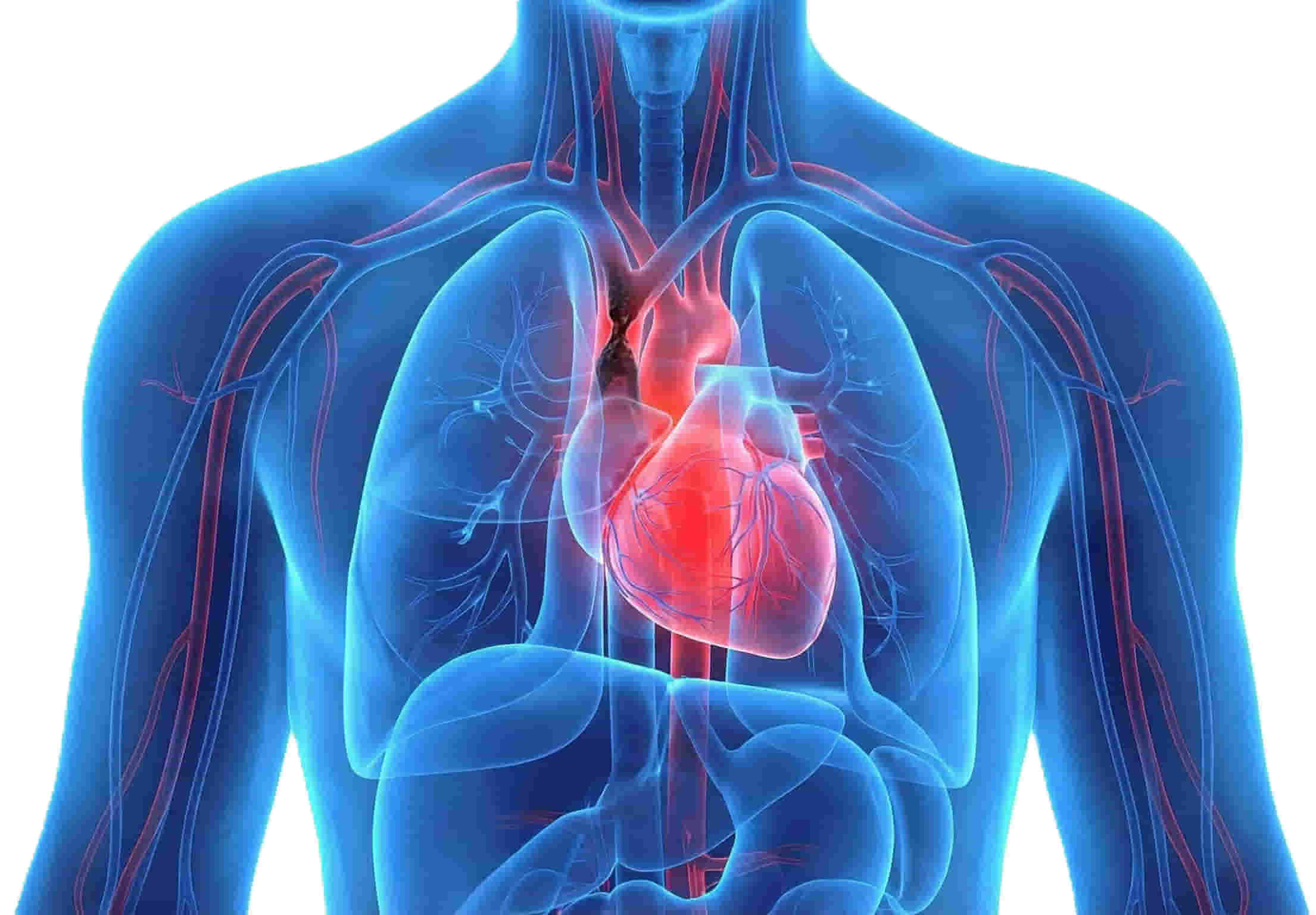
Central Vein Recanalization
treatment for blocked veins in Hyderabad & Chennai
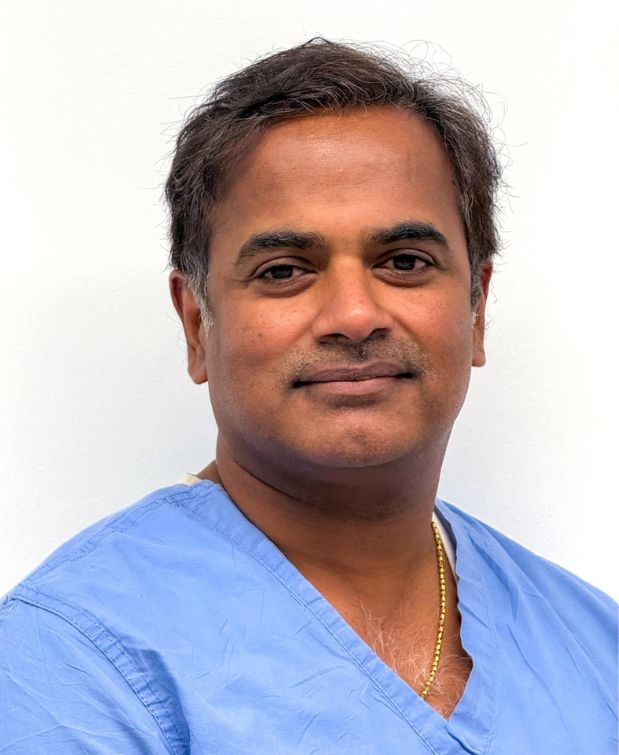
✓ Proven Solution for Blocked Veins
Regain normal blood flow with Central Vein Recanalization…
A minimally invasive vascular treatment that restores blocked veins, improves circulation, and relieves symptoms without major surgery.
Central vein recanalization is an advanced, image-guided procedure designed to open blocked or narrowed veins, especially in patients with dialysis access issues or venous obstruction. Using catheter-based techniques, specialists restore blood flow, reduce swelling, and improve overall vascular function.
 Fast Recovery in 1–3 Days
Minimally invasive with tiny entry points and less discomfort.
No Major Surgery or Cuts
Opens blocked veins, improving circulation and reducing swelling and pain.
Restores Normal Blood Flow
Opens blocked veins, improving circulation and reducing swelling and pain.
✓ Proven Solution for Blocked Veins
Regain normal blood flow with Central Vein Recanalization…
A minimally invasive vascular treatment that restores blocked veins, improves circulation, and relieves symptoms without major surgery.
Central vein recanalization is an advanced, image-guided procedure designed to open blocked or narrowed veins, especially in patients with dialysis access issues or venous obstruction. Using catheter-based techniques, specialists restore blood flow, reduce swelling, and improve overall vascular function.

Faster Recovery 1–3 Days
Resume daily activities quickly with minimal downtime.
No Major Surgery or Large Cuts
Minimally invasive with tiny entry points and less discomfort.
Restores Normal Blood Flow
Opens blocked veins, improving circulation and reducing swelling and pain.
Dr Ram will be consulting in Hyderabad from August 1st.
Early Symptoms of Central Vein Obstruction: Warning Signs You Should Not Ignore
 Arm and Neck Swelling
Swelling in the arm, neck, or face is a common early symptom of central vein obstruction caused by restricted blood flow. This swelling may gradually worsen over time, especially in patients with dialysis access, and is often accompanied by a feeling of tightness or heaviness.
Central Vein Recanalization treats the root cause by opening blocked veins, restoring normal blood flow, and reducing swelling without the need for major surgery.
“Persistent swelling in the arm or neck may indicate underlying vein blockage, where early treatment can prevent complications and improve circulation.”
Common Signs Associated with Arm and Neck Swelling
- Swelling in one arm, neck, or face
- Feeling of heaviness or tightness
- Visible enlarged veins on chest or shoulder
- Symptoms worsening with activity
- Mild relief when resting or elevating the arm
 Visible Enlarged Veins
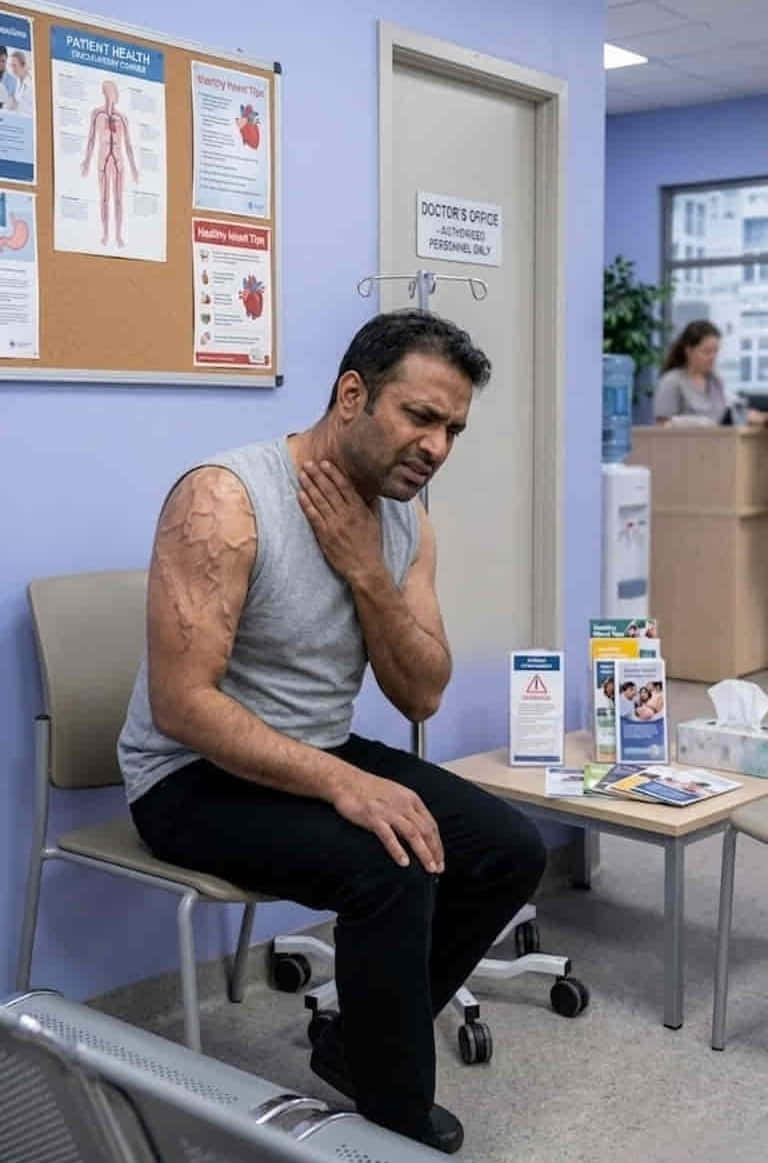
Prominent or bulging veins on the chest, shoulder, or arm can be an early sign of central vein obstruction. These veins become visible due to increased pressure and rerouting of blood flow when major veins are blocked or narrowed.
Central Vein Recanalization addresses the root cause by reopening blocked veins, normalizing blood flow, and reducing pressure in the affected vessels without invasive surgery.
“Visible enlarged veins may indicate vein blockage, where early treatment restores circulation and prevents complications.”
Common Signs Associated with Visible Enlarged Veins
- Prominent veins on chest or shoulder
- Bulging veins in the arm or neck
- Increased visibility over time
- Veins becoming more noticeable with activity
- Associated swelling or discomfort
 Dialysis Access Problems
Reduced dialysis efficiency can occur when central vein obstruction affects blood flow through the AV fistula or graft. Patients may notice poor blood flow during dialysis sessions, along with swelling or discomfort in the affected arm.
Central Vein Recanalization restores proper blood flow by opening blocked veins, improving dialysis function and preventing access failure without major surgery.
Central vein obstruction can affect dialysis access, leading to poor blood flow through the AV fistula or graft. Patients may notice reduced efficiency during dialysis sessions, along with swelling or discomfort in the affected arm.
Central Vein Recanalization restores proper blood flow by opening blocked veins, improving dialysis function and preventing access failure without major surgery.
“Dialysis issues may indicate vein blockage, where early treatment helps restore flow and maintain access function.”
Common Signs Associated with Dialysis Access Problems
- Reduced dialysis efficiency
- Weak or poor blood flow
- Swelling in the access arm
- Frequent access complications
- Discomfort during dialysis
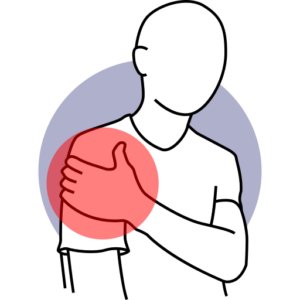 Pain or Heaviness
A dull pain or heavy sensation in the arm, shoulder, or neck is a common symptom of central vein obstruction. This occurs due to increased venous pressure and poor blood flow, often worsening with activity or prolonged use of the affected limb.
Central Vein Recanalization treats the underlying blockage, restoring normal circulation and relieving pain and heaviness without invasive surgery.
“Persistent pain or heaviness may indicate vein blockage, where early treatment helps relieve discomfort and restore normal flow.”
Common Signs Associated with Pain or Heaviness
- Dull, aching pain in the arm or shoulder
- Feeling of heaviness in the limb
- Symptoms worsening with activity
- Discomfort during daily tasks
- Relief with rest or elevation
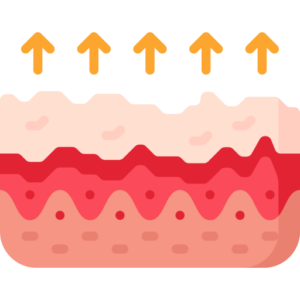 Skin Tightness or Discoloration
Skin tightness or changes in color, such as redness or bluish discoloration, can occur due to poor blood flow from central vein obstruction. Increased venous pressure leads to fluid buildup, causing the skin to feel stretched and appear abnormal.
Central Vein Recanalization restores normal circulation by opening blocked veins, reducing pressure and improving skin appearance without major surgery.
Skin tightness or discoloration may indicate vein blockage, where early treatment helps restore circulation and prevent complications.”
Common Signs Associated with Skin Tightness or Discoloration
- Tight or stretched skin feeling
- Redness or bluish skin color
- Swelling with skin changes
- Shiny or firm skin texture
- Symptoms worsening over time
Early Symptoms of Central Vein Obstruction: Warning Signs You Should Not Ignore
Arm and Neck Swelling
Swelling in the arm, neck, or face is a common early symptom of central vein obstruction caused by restricted blood flow. This swelling may gradually worsen over time, especially in patients with dialysis access, and is often accompanied by a feeling of tightness or heaviness.
Central Vein Recanalization treats the root cause by opening blocked veins, restoring normal blood flow, and reducing swelling without the need for major surgery.
“Persistent swelling in the arm or neck may indicate underlying vein blockage, where early treatment can prevent complications and improve circulation.”
Common Signs Associated with Arm and Neck Pain
- Swelling in one arm, neck, or face
- Feeling of heaviness or tightness
- Visible enlarged veins on the chest or shoulder
- Symptoms worsening with activity
- Mild relief when resting or elevating the arm
Visible Enlarged Veins
Prominent or bulging veins on the chest, shoulder, or arm can be an early sign of central vein obstruction. These veins become visible due to increased pressure and rerouting of blood flow when major veins are blocked or narrowed.
Central Vein Recanalization addresses the root cause by reopening blocked veins, normalizing blood flow, and reducing pressure in the affected vessels without invasive surgery.
“Visible enlarged veins may indicate vein blockage, where early treatment restores circulation and prevents complications.”
Common Signs Associated with Visible Enlarged Veins
- Prominent veins on chest or shoulder
- Bulging veins in the arm or neck
- Increased visibility over time
- Veins are becoming more noticeable with activity
- Associated swelling or discomfort
Dialysis Access Problems
Reduced dialysis efficiency can occur when central vein obstruction affects blood flow through the AV fistula or graft. Patients may notice poor blood flow during dialysis sessions, along with swelling or discomfort in the affected arm.
Central Vein Recanalization restores proper blood flow by opening blocked veins, improving dialysis function and preventing access failure without major surgery.
“Dialysis issues may indicate vein blockage, where early treatment helps restore flow and maintain access function.”
Common Signs Associated with Dialysis Access Problems
- Reduced dialysis efficiency
- Weak or poor blood flow
- Swelling in the access arm
- Frequent access complications
- Discomfort during dialysis
Pain or Heaviness
A dull pain or heavy sensation in the arm, shoulder, or neck is a common symptom of central vein obstruction. This occurs due to increased venous pressure and poor blood flow, often worsening with activity or prolonged use of the affected limb.
Central Vein Recanalization treats the underlying blockage, restoring normal circulation and relieving pain and heaviness without invasive surgery.
“Persistent pain or heaviness may indicate vein blockage, where early treatment helps relieve discomfort and restore normal flow.”
Common Signs Associated with Pain or Heaviness
- Dull, aching pain in the arm or shoulder
- Feeling of heaviness in the limb
- Symptoms worsening with activity
- Discomfort during daily tasks
- Relief with rest or elevation
Skin tightness or discoloration
Skin tightness or changes in color, such as redness or bluish discoloration, can occur due to poor blood flow from central vein obstruction. Increased venous pressure leads to fluid buildup, causing the skin to feel stretched and appear abnormal.
Central Vein Recanalization restores normal circulation by opening blocked veins, reducing pressure and improving skin appearance without major surgery.
“Skin changes may indicate vein blockage, where early treatment restores circulation.”
Common Signs Associated with Skin Tightness or Discoloration
- Tight or stretched skin feeling
- Redness or bluish skin color
- Swelling with skin changes
- Shiny or firm skin texture
- Symptoms worsening over time
Board-Certified Expertise
Internationally trained with credentials from leading medical institutions
FRCR
Fellow, Royal College of Radiologists
DABIR
Diplomate, American Board of Interventional Radiology
MRCSEd
Member, Royal College of Surgeons Edinburg
40+ Publications
Peer-reviewed scientific research
Why Dr. Ram Kishore Stands Out
 Cleveland Clinic Training
Advanced interventional radiology fellowship from one of the world’s top medical institutions.
✅ Research Pioneer
40+ Peer-reviewed publications advancing the field of interventional radiology
✅ 14+ Years Experience
Thousands of successful treatments, with exceptional patient outcomes
✅ Patient-Centered Care
Evidence-based approach with focus on patient education and informed decision making
Board-Certified Expertise
Internationally trained with credentials from leading medical institutions
FRCR
Fellow, Royal College of Radiologists
DABIR
Diplomate, American Board of Interventional Radiology
MRCSEd
Member, Royal College of Surgeons Edinburgh
40+ Publications
Peer-reviewed scientific research
Why Dr. Ram Kishore Stands Out
✅ Cleveland Clinic Training
Advanced interventional radiology fellowship from one of the world’s top medical institutions.
✅ Research Pioneer
40+ Peer-reviewed publications advancing the field of interventional radiology
✅ 14+ Years Experience
Thousands of successful treatments, with exceptional patient outcomes
✅ Patien-Centered Care
Evidence-based approach with focus on patient education and informed decision making
Advanced Central Vein Recanalization Treatment in India
Restore Blood Flow with Minimally Invasive Vein Recanalization
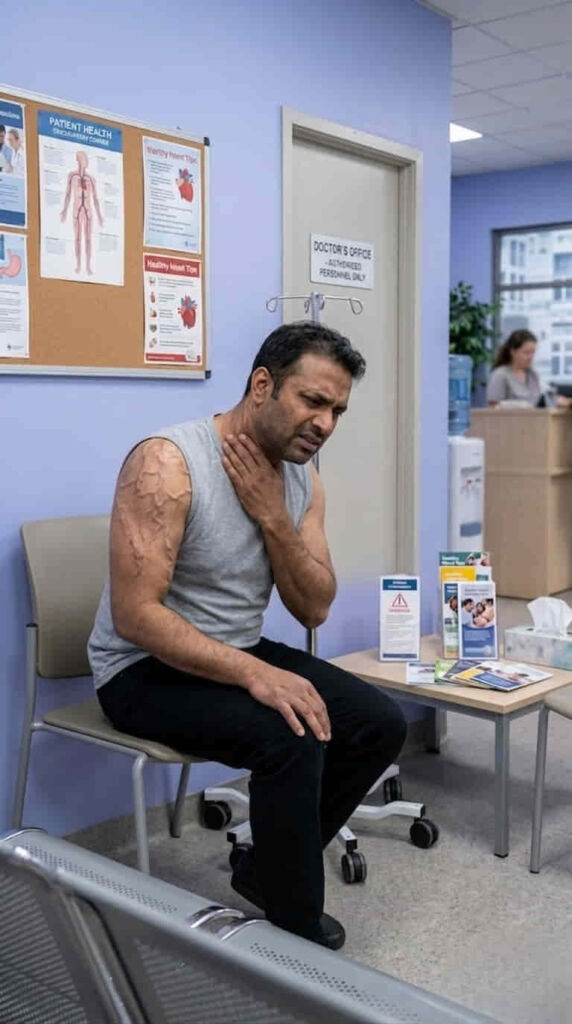
Central vein obstruction is a serious condition often seen in patients with long-term catheter use or dialysis access. It occurs when major veins become narrowed or blocked, leading to poor blood flow, swelling, and discomfort in the upper body. Unlike traditional vascular surgery, Central Vein Recanalization is a minimally invasive treatment that restores vein function without major surgery.
Using advanced imaging guidance, a catheter is inserted through a small puncture to open blocked veins using balloons or stents. This restores normal blood flow, reduces venous pressure, and relieves symptoms like swelling and pain, ensuring faster recovery and minimal downtime.
Impact of Untreated Central Vein Obstruction on Daily Life
💔 Swelling and Discomfort
Persistent swelling affects comfort and daily activities.
💔 Dialysis Access Complications
Poor blood flow disrupts dialysis efficiency and function.
 Pain and Heaviness
Chronic discomfort reduces mobility and quality of life.
Skin Changes and Circulation Issues
Untreated blockage leads to skin tightness and discolourationAn untreated.
Advanced Central Vein Recanalization Treatment in India
Restore Blood Flow with Minimally Invasive Vein Recanalization
Central vein obstruction is a serious condition often seen in patients with long-term catheter use or dialysis access. It occurs when major veins become narrowed or blocked, leading to poor blood flow, swelling, and discomfort in the upper body. Unlike traditional vascular surgery, Central Vein Recanalization is a minimally invasive treatment that restores vein function without major surgery.
Using advanced imaging guidance, a catheter is inserted through a small puncture to open blocked veins using balloons or stents. This restores normal blood flow, reduces venous pressure, and relieves symptoms like swelling and pain, ensuring faster recovery and minimal downtime.
Impact of Untreated Central Vein Obstruction on Daily Life
💔 Swelling and Discomfort
Persistent swelling affects comfort and daily activities.
💔 Dialysis Access Complications
Poor blood flow disrupts dialysis efficiency and function.
💔 Pain and Heaviness
Chronic discomfort reduces mobility and quality of life.
💔 Skin Changes and Circulation Issues
Untreated blockage leads to skin tightness and discoloration.

How Central Vein Recanalization Works to Restore Blood Flow
A minimally invasive procedure that reopens blocked veins and improves circulation.
Precise Imaging and Vein Identification
Using advanced imaging techniques such as fluoroscopy and venography, the interventional radiologist accurately identifies the location and severity of the blocked or narrowed vein. This ensures precise planning while minimising risk to surrounding structures.
Catheter-Based Access to Blocked Veins
A thin, flexible catheter is inserted through a small puncture, usually in the groin or arm, and carefully guided to the site of the blockage. This minimally invasive approach avoids large incisions and allows direct access to the affected vein.
Balloon Angioplasty and Vein Opening
A tiny balloon is inflated at the site of the blockage to widen the narrowed vein and restore blood flow. This step helps relieve pressure buildup and improves circulation in the affected area.
Restoration of Blood Flow and Symptom Relief
Once the vein is reopened, blood flow returns to normal, reducing symptoms like swelling, pain, and heaviness. Patients experience improved circulation and better vascular function.
Improved Mobility and Long-Term Relief
With reduced pain, patients can return to daily activities such as walking, climbing stairs, and light exercise. Genicular nerve ablation helps restore mobility and enhances quality of life without the need for surgery.
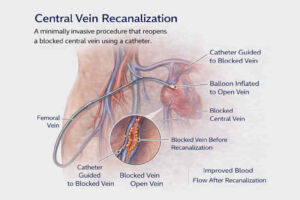
Get a complete, detailed explanation of CVR by Dr Ram Kishore
How Central Vein Recanalization Works to Restore Blood Flow
A minimally invasive procedure that reopens blocked veins and improves circulation.
Precise Imaging and Vein Identification
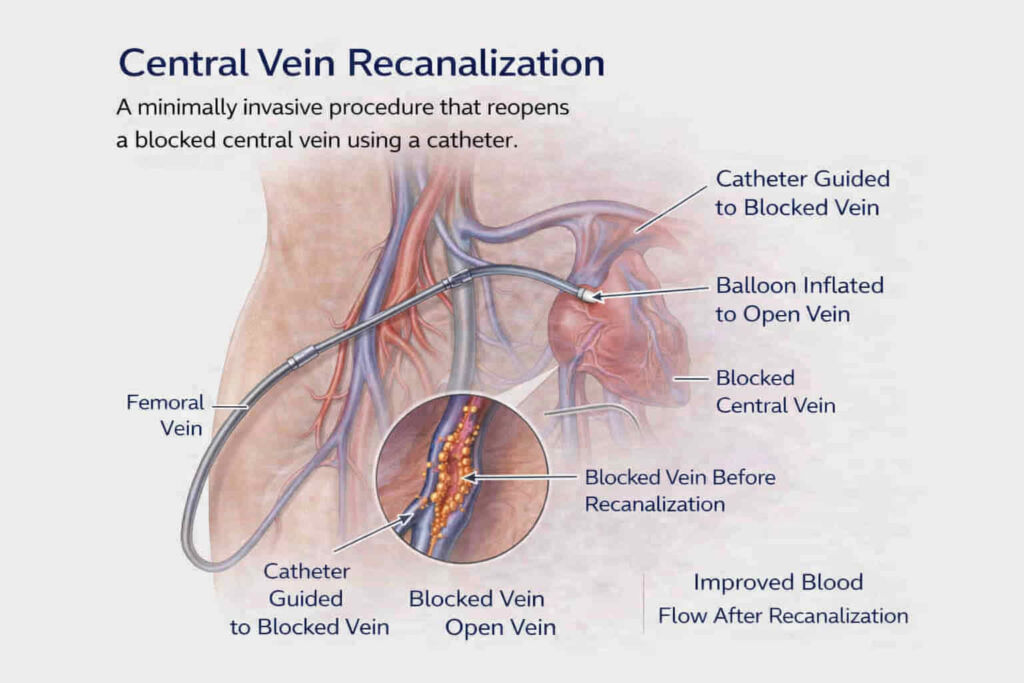
Using advanced imaging techniques such as fluoroscopy and venography, the interventional radiologist accurately identifies the location and severity of the blocked or narrowed vein. This ensures precise planning while minimizing risk to surrounding structures.
Catheter-Based Access to Blocked Veins
A thin, flexible catheter is inserted through a small puncture, usually in the groin or arm, and carefully guided to the site of the blockage. This minimally invasive approach avoids large incisions and allows direct access to the affected vein.
Balloon Angioplasty and Vein Opening
A tiny balloon is inflated at the site of the blockage to widen the narrowed vein and restore blood flow. This step helps relieve pressure buildup and improves circulation in the affected area.
Restoration of Blood Flow and Symptom Relief
Once the vein is reopened, blood flow returns to normal, reducing symptoms like swelling, pain, and heaviness. Patients experience improved circulation and better vascular function.
Improved Mobility and Long-Term Relief
With reduced pain, patients can return to daily activities such as walking, climbing stairs, and light exercise. Genicular nerve ablation helps restore mobility and enhances quality of life without the need for surgery.
Central Vein Recanalization vs Traditional Treatment: Why It Matters
A comparison based on effectiveness, recovery, and patient outcomes.
🛡️Benefits of Central Vein Recanalization
- Restores Blood Flow – Reopens blocked veins.
- Minimally Invasive – Catheter-based, no major surgery.
- Symptom Relief – Reduces swelling and pain.
- Preserves Access – Important for dialysis patients.
- Faster Recovery – Quick return to daily life.
- Fewer Complications – Safer than open surgery.
- Repeatable – Can be done again if needed.
⚡ Limitations of Traditional Approach
- Invasive Surgery – Requires large incisions.
- Higher Risks – Infection, bleeding, longer stay.
- Slow Recovery – Takes weeks to heal.
- Less Effective – Challenging in complex cases.
- More Discomfort – Greater pain and stress.
- Hospital Stay Needed – Longer inpatient care.
- Reduced Mobility – Daily activities affected.
Central Vein Recanalization vs Traditional Treatment: Why It Matters
A comparison based on effectiveness, recovery, and patient outcomes.
🛡️Benefits of Central Vein Recanalization
- Restores Blood Flow – Reopens blocked veins.
- Minimally Invasive – Catheter-based, no major surgery.
- Symptom Relief – Reduces swelling and pain.
- Preserves Access – Important for dialysis patients.
- Faster Recovery – Quick return to daily life.
- Fewer Complications – Safer than open surgery.
- Repeatable – Can be done again if needed.
⚡ Limitations of Traditional Approach
- Invasive Surgery – Requires large incisions.
- Higher Risks – Infection, bleeding, longer stay.
- Slow Recovery – Takes weeks to heal.
- Less Effective – Challenging in complex cases.
- More Discomfort – Greater pain and stress.
- Hospital Stay Needed – Longer inpatient care.
- Reduced Mobility – Daily activities affected.
★★★★★
“After months of painful swelling in my arm and face due to a central vein blockage, Central Vein Recanalization was a lifesaver. The procedure was minimally invasive, and the pressure vanished almost instantly. I finally feel like myself again and can move without that heavy, tight sensation. I’m so grateful for this advanced care!”

Rakesh Kumar
Hyderabad, India
Age 68 | 2 years Post – Central Vein Recanalization
★★★★★
“Seeing bulging veins on my chest was terrifying, but my doctors explained how Central Vein Recanalization could restore my natural blood flow. The procedure was smooth, and the recovery was incredibly fast. The visible veins are fading, and my circulation is back on track. It’s given me such peace of mind!”

Lakshmamma
Chennai, India
Age 72 | 1.5 years Post – Central Vein Recanalization
Patient Experiences with Central Vein Recanalization Treatment
★★★★★
“After months of painful swelling in my arm and face due to a central vein blockage, Central Vein Recanalization was a lifesaver. The procedure was minimally invasive, and the pressure vanished almost instantly. I finally feel like myself again and can move without that heavy, tight sensation. I’m so grateful for this advanced care!”
Rakesh Kumar
Hyderabad, India
Age 68 | 2 years Post – Central Vein Recanalization
★★★★★
“Seeing bulging veins on my chest was terrifying, but my doctors explained how Central Vein Recanalization could restore my natural blood flow. The procedure was smooth, and the recovery was incredibly fast. The visible veins are fading, and my circulation is back on track. It’s given me such peace of mind!”
Lakshmi Devi
Chennai, India
Age 72 | 1.5 years Post – Central Vein Recanalization
Frequently Asked Questions About Central Vein Recanalization
What is Central Vein Recanalization?
Central Vein Recanalization is a minimally invasive procedure used to reopen blocked or narrowed central veins, typically in the chest or neck. It is commonly performed in patients undergoing dialysis or those with venous obstructions. Using imaging guidance, a catheter is inserted to restore blood flow. This helps improve circulation and reduces symptoms like swelling.
Who needs Central Vein Recanalization?
This procedure is recommended for patients with central vein stenosis or occlusion, especially those on long-term dialysis. It is also useful for individuals experiencing arm or facial swelling due to blocked veins. Doctors evaluate symptoms and imaging results before suggesting this treatment. It helps maintain proper vascular access for dialysis.
Is Central Vein Recanalization a surgery?
No, it is not a traditional surgery but a minimally invasive, image-guided procedure. It is performed using a catheter inserted through a small puncture in the skin. There are no large incisions involved, which reduces recovery time. Most patients can go home the same day or within 24 hours.
How long does the procedure take?
The procedure typically takes about 1 to 2 hours, depending on the complexity of the blockage. In some cases, it may take longer if the vein is completely occluded. Patients are usually monitored for a short period afterward. The quick procedure time makes it convenient compared to open surgery.
What is the recovery time?
Recovery is generally quick, with most patients resuming normal activities within a few days. Mild discomfort or bruising at the insertion site may occur but usually resolves quickly. Compared to traditional vein surgery, downtime is significantly shorter. Follow-up visits ensure the vein remains open and functional.
Are there any risks involved?
Like any medical procedure, there are some risks, but they are relatively low. Possible complications include bleeding, infection, or re-narrowing of the vein over time. However, the minimally invasive nature reduces overall risk. Doctors take precautions to ensure patient safety throughout the procedure.
How successful is Central Vein Recanalization?
The procedure has a high success rate in restoring blood flow and relieving symptoms. Many patients experience immediate improvement in swelling and discomfort. In some cases, additional treatments like stenting may be required. Regular follow-ups help maintain long-term success.
Will I need repeat procedures?
In some cases, veins may narrow again over time, requiring repeat treatment. This depends on the patient’s condition and underlying causes. Regular monitoring helps detect issues early. Repeat procedures are usually simpler and still minimally invasive.
Frequently Asked Questions About Central Vein Recanalization
What is Central Vein Recanalization?
Central Vein Recanalization is a minimally invasive procedure used to reopen blocked or narrowed central veins, typically in the chest or neck. It is commonly performed in patients undergoing dialysis or those with venous obstructions. Using imaging guidance, a catheter is inserted to restore blood flow. This helps improve circulation and reduces symptoms like swelling.
Who needs Central Vein Recanalization?
This procedure is recommended for patients with central vein stenosis or occlusion, especially those on long-term dialysis. It is also useful for individuals experiencing arm or facial swelling due to blocked veins. Doctors evaluate symptoms and imaging results before suggesting this treatment. It helps maintain proper vascular access for dialysis
Is Central Vein Recanalization a surgery?
No, it is not a traditional surgery but a minimally invasive, image-guided procedure. It is performed using a catheter inserted through a small puncture in the skin. There are no large incisions involved, which reduces recovery time. Most patients can go home the same day or within 24 hours.
How long does the procedure take?
The procedure typically takes about 1 to 2 hours, depending on the complexity of the blockage. In some cases, it may take longer if the vein is completely occluded. Patients are usually monitored for a short period afterward. The quick procedure time makes it convenient compared to open surgery.
What is the recovery time?
Recovery is generally quick, with most patients resuming normal activities within a few days. Mild discomfort or bruising at the insertion site may occur but usually resolves quickly. Compared to traditional vein surgery, downtime is significantly shorter. Follow-up visits ensure the vein remains open and functional.
Are there any risks involved?
Like any medical procedure, there are some risks, but they are relatively low. Possible complications include bleeding, infection, or re-narrowing of the vein over time. However, the minimally invasive nature reduces overall risk. Doctors take precautions to ensure patient safety throughout the procedure.
How successful is Central Vein Recanalization?
The procedure has a high success rate in restoring blood flow and relieving symptoms. Many patients experience immediate improvement in swelling and discomfort. In some cases, additional treatments like stenting may be required. Regular follow-ups help maintain long-term success.
Will I need repeat procedures?
In some cases, veins may narrow again over time, requiring repeat treatment. This depends on the patient’s condition and underlying causes. Regular monitoring helps detect issues early. Repeat procedures are usually simpler and still minimally invasive.
Your Life Doesn't Have to Be Controlled by a Tumour
Thousands of women have reclaimed their freedom through UFE, a safe and minimally invasive treatment for uterine fibroids. You don’t have to live with constant pain, heavy bleeding, or exhaustion. You deserve relief without major surgery or long recovery. Take control of your health and take the first step toward a life free from fibroid symptoms today.
Available in Hyderabad & Chennai | Cleveland Clinic Trained | 14+ Years Experience | 90% Success Rate
First Consultation is Risk-Free: Meet with Dr. Kishore, discuss your symptoms, and explore all treatment options. No pressure, no obligation. We’re here to help you make the best decision for your health.
Your Life Doesn't Have to Be Controlled by a Tumour
Thousands of women have reclaimed their freedom through UFE, a safe and minimally invasive treatment for uterine fibroids. You don’t have to live with constant pain, heavy bleeding, or exhaustion. You deserve relief without major surgery or long recovery. Take control of your health and take the first step toward a life free from fibroid symptoms today.
Available in Hyderabad & Chennai | Cleveland Clinic Trained | 14+ Years Experience | 90% Success Rate
First Consultation is Risk-Free: Meet with Dr. Kishore, discuss your symptoms, and explore all treatment options. No pressure, no obligation. We’re here to help you make the best decision for your health.