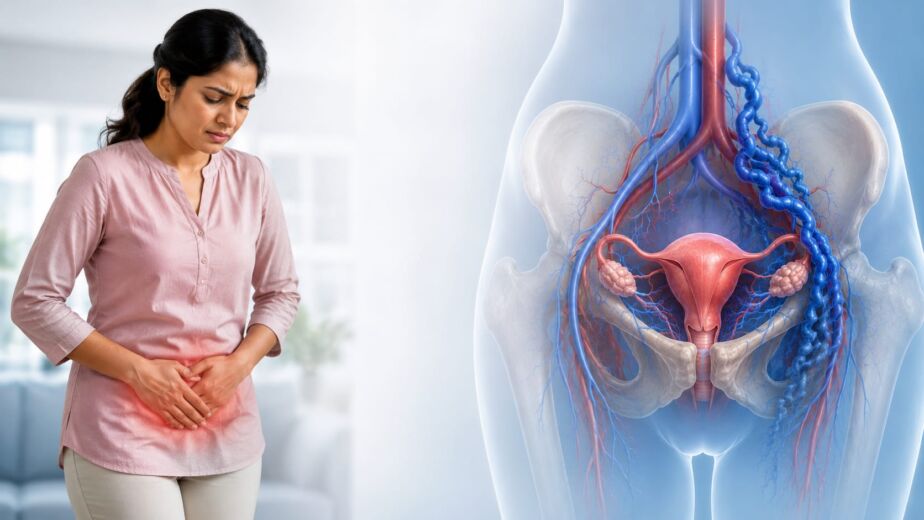
Why Does Your Pelvic Pain Have No Clear Cause? Understanding Pelvic Congestion Syndrome.
Have you been living with persistent pelvic pain but every medical test comes back normal? Have you visited multiple doctors, tried different medications, or even been told that your pain is simply a part of being a woman? If this sounds familiar, you’re not alone.
Many women experience chronic pelvic pain for months or even years without receiving a clear diagnosis. Conditions such as endometriosis, fibroids, ovarian cysts, urinary tract infections, and irritable bowel syndrome are often investigated first. However, one frequently overlooked condition is pelvic congestion syndrome, a vascular disorder that can cause ongoing pelvic pain and significantly affect a woman’s quality of life.
Unlike many gynecological conditions, pelvic congestion syndrome develops because of abnormal blood flow in the pelvic veins rather than a problem with the uterus or ovaries. Since its symptoms overlap with several other conditions, many women continue to experience pain despite undergoing multiple treatments.
The good news is that pelvic congestion syndrome can be diagnosed with the right imaging studies, and many patients can benefit from non-surgical treatment for pelvic pain through advanced Interventional Radiology procedures. Understanding the condition is the first step toward finding long-term relief.
What Is Pelvic Congestion Syndrome?
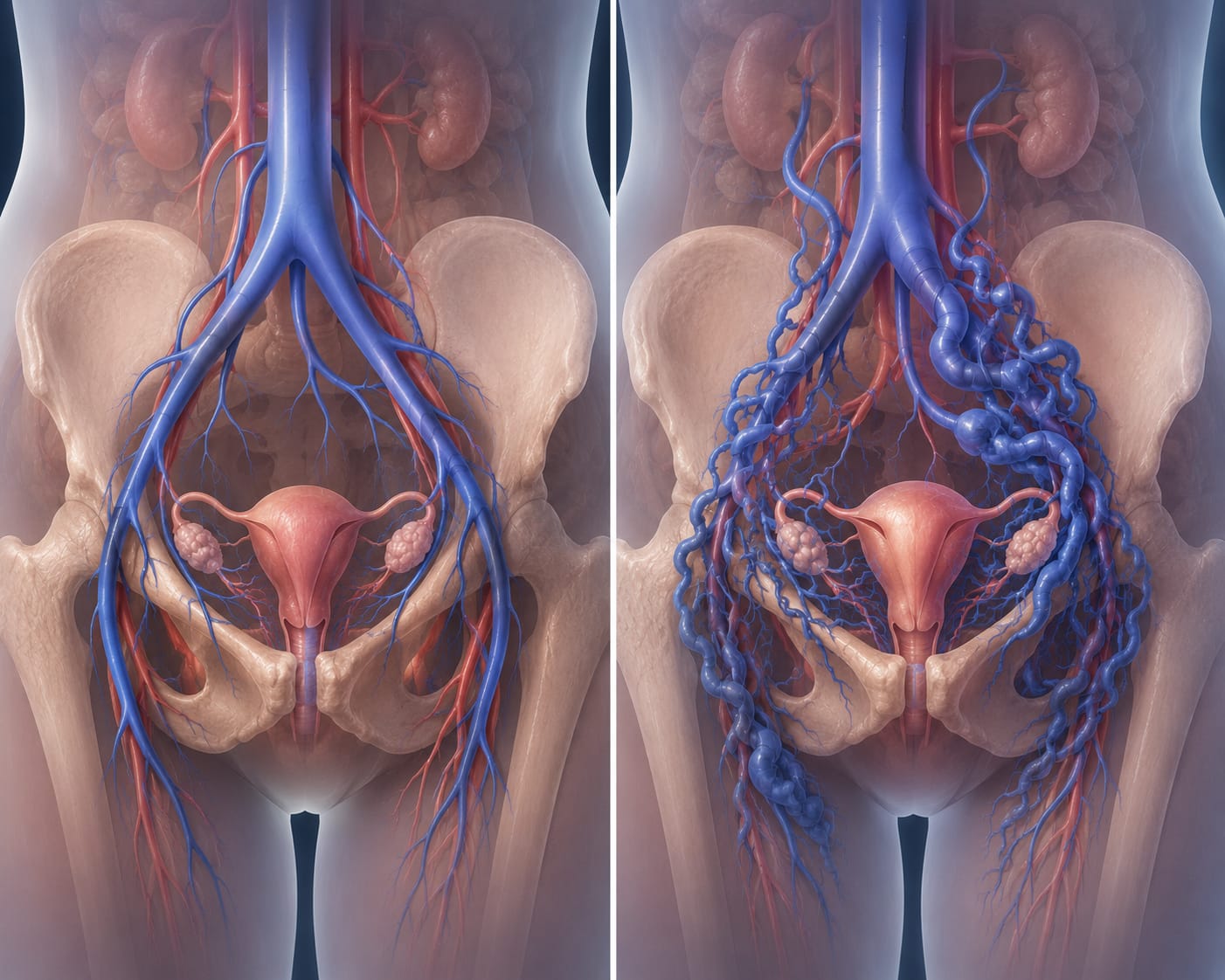
Pelvic congestion syndrome is a condition caused by enlarged, weakened veins within the pelvis. Normally, veins contain tiny one-way valves that help blood flow back to the heart. When these valves become weak or stop functioning properly, blood flows backward and collects in the pelvic veins instead of circulating normally.
As blood pools inside these veins, pressure builds up, causing the veins to enlarge and become painful. This is similar to how varicose veins develop in the legs, except that in PCS, the affected veins are located deep within the pelvis.
Because this is a vascular problem, many women are surprised to learn that their persistent pelvic pain may have nothing to do with their reproductive organs. Instead, the pain is caused by abnormal veins that continue to stretch and become congested over time.
Why Does Pelvic Pain Sometimes Have No Clear Cause?
One of the biggest challenges in diagnosing pelvic congestion syndrome is that its symptoms closely resemble many other medical conditions.
Women with chronic pelvic pain often undergo repeated evaluations for:
- Endometriosis
- Uterine fibroids
- Ovarian cysts
- Pelvic inflammatory disease
- Urinary tract infections
- Irritable bowel syndrome
When these conditions are ruled out, patients are sometimes left without a clear explanation for their symptoms. Since routine gynecological examinations may not detect abnormal pelvic veins, pelvic congestion syndrome can remain undiagnosed for years.
This delay often leads to frustration, anxiety, and unnecessary treatments that do not address the actual cause of the pain.
If your pelvic pain has continued for more than six months despite treatment, or if every investigation appears normal while the pain persists, it may be time to consider whether PCS is the underlying cause.
Common Symptoms of Pelvic Congestion Syndrome
The symptoms of pelvic congestion syndrome vary from woman to woman, but the pain is typically chronic rather than sudden. Many women describe it as a dull, aching sensation that gradually becomes worse throughout the day.
Common symptoms include:
- Persistent chronic pelvic pain
- A heavy or dragging sensation in the pelvis
- Lower pelvic discomfort after standing for long periods
- Pelvic discomfort women often describe as pressure or fullness
- Discomfort during sex or pain after intercourse
- Lower back aching pain
- Pain before or during menstrual periods
- Increased pain toward the end of the day
- Visible veins legs, thighs, buttocks, or around the vulva in some women
Unlike menstrual cramps, the pain associated with pelvic congestion syndrome often improves when lying down because this position reduces pressure within the pelvic veins.
What Causes Pelvic Congestion Syndrome?
The primary cause of PCS is poor blood flow in the pelvic veins. Healthy veins contain valves that keep blood moving toward the heart. When these valves weaken or fail, blood flows backward and begins to collect in the pelvic veins instead of circulating normally.
As pressure builds, the veins become enlarged and twisted, leading to persistent pain and discomfort. This process is similar to the development of varicose veins in the legs.
Several factors may contribute to the development of pelvic congestion syndrome, including:
- Multiple pregnancies
- Hormonal changes that weaken vein walls
- Family history of vein disorders
- Enlarged ovarian veins
- Existing chronic venous insufficiency
Because chronic venous insufficiency affects how veins return blood to the heart, women with this condition may also be more likely to develop abnormal pelvic veins. Understanding this connection helps explain why PCS is considered a vascular problem rather than a gynecological disease.
How Is Pelvic Congestion Syndrome Diagnosed?
Diagnosing pelvic congestion syndrome begins with understanding your symptoms and medical history. Your doctor will ask questions about the duration of your chronic pelvic pain, when it becomes worse, and whether you experience symptoms such as discomfort during sex, lower back pain, or pelvic heaviness.
Because routine pelvic examinations may not identify abnormal pelvic veins, imaging studies play an important role in confirming the diagnosis. These may include:
- Doppler Ultrasound to evaluate blood flow within the pelvic veins.
- MRI or CT Scan to identify enlarged veins and rule out other pelvic conditions.
- Pelvic Venography, considered the most accurate imaging test, which provides a detailed view of abnormal blood flow in the pelvic veins.
An accurate diagnosis is essential because women with pelvic venous disease are often treated for other conditions before the true cause of their pain is identified.
Can Pelvic venous congestion Be Treated Without Surgery?
Yes. One of the biggest advances in Interventional Radiology is the availability of non-surgical treatment for pelvic pain that targets the underlying cause instead of simply managing symptoms.
The most effective minimally invasive option for many women is Ovarian Vein Embolization (OVE).
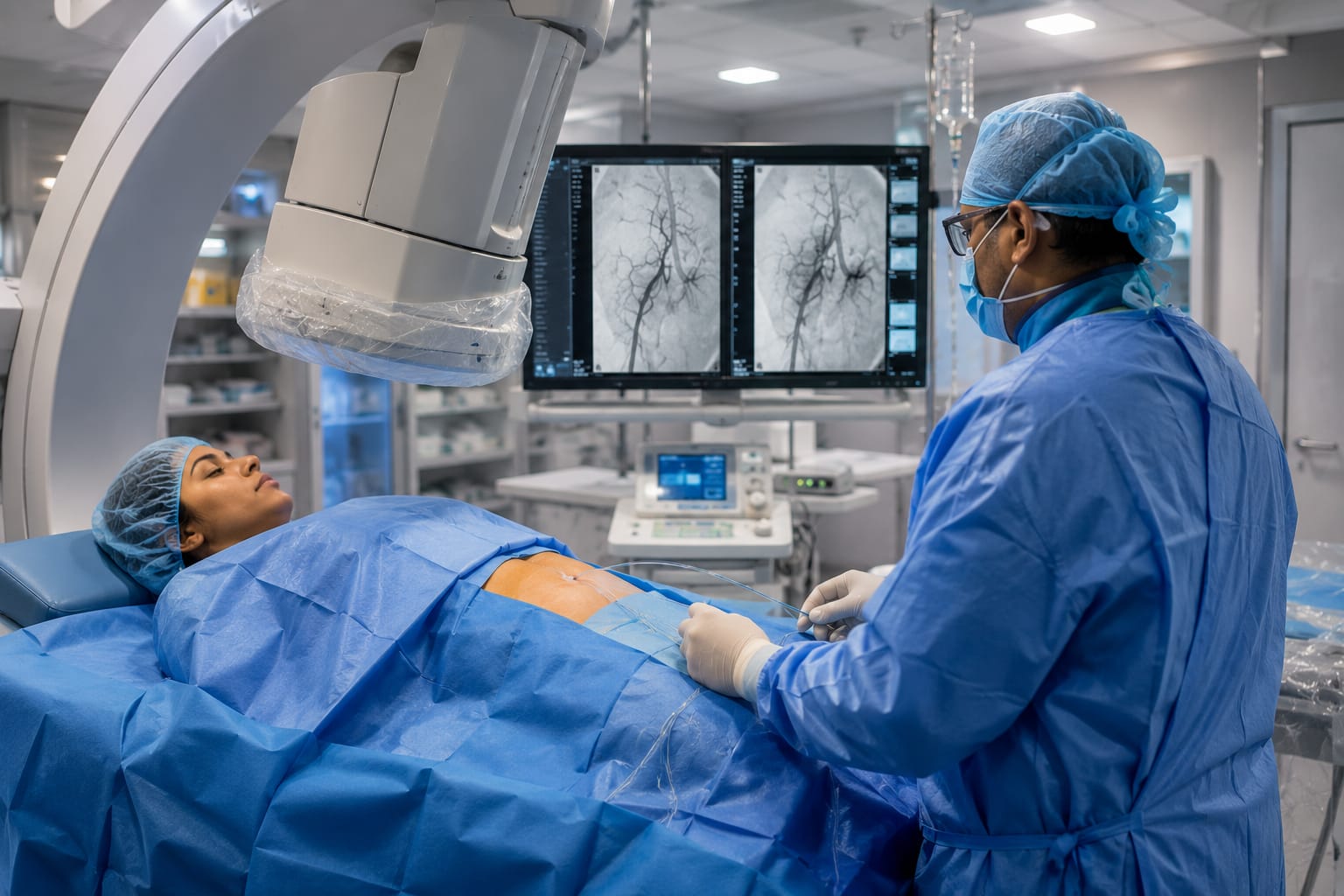
During this procedure, an Interventional Radiologist inserts a thin catheter through a small puncture in the wrist or groin and carefully guides it to the affected pelvic veins using advanced imaging. Tiny coils or embolic materials are then placed inside the abnormal veins, preventing blood from pooling and allowing healthy veins to take over normal circulation.
Since there are no large incisions or stitches, Ovarian Vein Embolization offers an effective non-surgical treatment for pelvic pain with minimal discomfort and a quicker recovery compared to traditional surgery.
Benefits of Ovarian Vein Embolization
For women diagnosed with pelvic congestion syndrome, Ovarian Vein Embolization offers several advantages:
- Minimally invasive procedure with no major surgical incision
- Local anesthesia instead of general anesthesia in most cases
- Same-day or next-day discharge for many patients
- Faster recovery and an earlier return to daily activities
- Relief from chronic pelvic pain, pelvic discomfort in women commonly experience, and pain during sex by treating the underlying vein problem
Because the procedure addresses the abnormal veins directly, many patients experience a significant improvement in their symptoms and quality of life.
When Should You Consult an Interventional Radiologist?
You should seek specialist evaluation if you have:
- Chronic pelvic pain lasting longer than six months
- Persistent pelvic discomfort women often describe as heaviness or pressure
- Discomfort during sex or pain after intercourse
- Pain that worsens after standing for long periods
- Unexplained pelvic pain despite normal gynecological investigations
- Varicose veins or chronic venous insufficiency along with pelvic symptoms
Women in Hyderabad and Chennai who continue to experience unexplained pelvic pain despite multiple consultations may benefit from an evaluation by an experienced Interventional Radiologist. Early diagnosis of pelvic congestion syndrome can help avoid unnecessary treatments and identify the most appropriate management approach.
Conclusion
Living with unexplained pelvic pain can be physically exhausting and emotionally overwhelming. Many women spend months or even years searching for answers because pelvic congestion syndrome is frequently mistaken for other gynecological conditions.
If you have persistent chronic pelvic pain, recurring pelvic discomfort women commonly experience, or pain during sex, don’t ignore these symptoms. They may indicate an underlying vascular problem rather than a disorder of the uterus or ovaries.
Modern Interventional Radiology offers advanced non-surgical treatment for pelvic pain, allowing many women to find lasting relief without undergoing major surgery. Early diagnosis and timely treatment can reduce pain, improve daily function, and restore confidence in your quality of life.
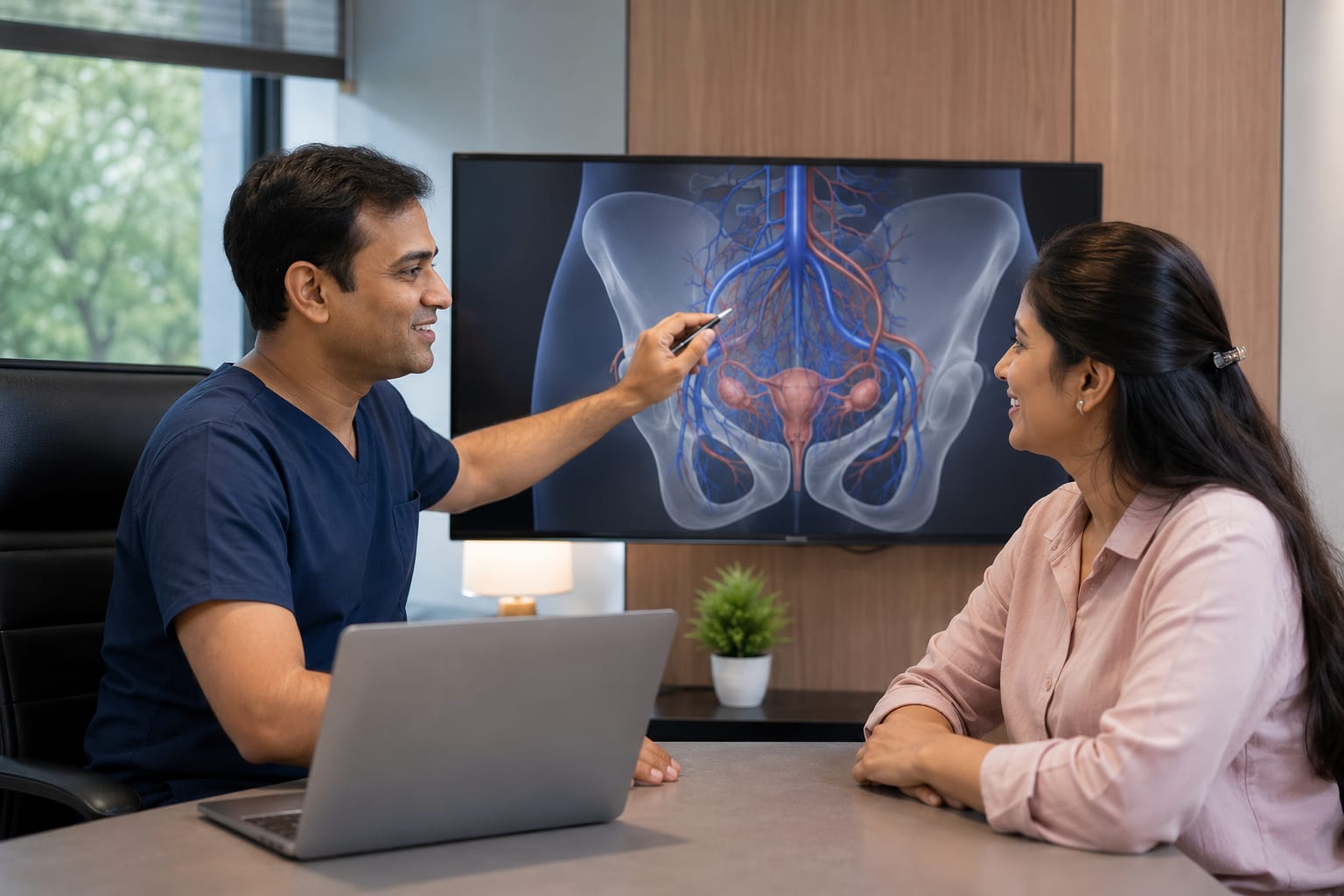
If you are experiencing symptoms of pelvic congestion syndrome, consult Dr. Ram Kishore Gurajala, a Cleveland Clinic-trained Interventional Radiologist with over 13 years of experience. He provides comprehensive evaluation and advanced minimally invasive treatments, including Ovarian Vein Embolization, for women in Hyderabad and Chennai, helping them find the right diagnosis and personalized care.
👉 Don’t continue living with unexplained pelvic pain. Schedule a consultation today to find out whether Pelvic vein disease could be the cause and explore the treatment options available to you.
Frequently Asked Questions(FAQ’s)
1. Can Pelvic Congestion Syndrome go away on its own?
Pelvic Congestion Syndrome usually does not go away on its own. While symptoms may vary over time, the underlying vein problem often persists. If pelvic pain continues for several months or affects your daily life, it’s important to consult a specialist for evaluation and appropriate treatment.
2. Is Pelvic Congestion Syndrome a serious condition?
PCS is generally not life-threatening, but it can significantly affect a woman’s quality of life. Chronic pain, pelvic heaviness, and discomfort during daily activities may worsen if left untreated. Early diagnosis can help manage symptoms effectively.
3. Can Pelvic Venous Disease affect pregnancy or fertility?
Current evidence suggests that Pelvic Congestion Syndrome does not usually cause infertility. However, pregnancy can increase pressure on the pelvic veins, which may worsen symptoms in some women. If you’re planning a pregnancy and have persistent pelvic pain, discuss your symptoms with your doctor.
4. What happens if Pelvic Venous Disorder is left untreated?
Without treatment, symptoms such as chronic pelvic pain, pelvic heaviness, and discomfort during sex may continue or gradually worsen over time. Early diagnosis and appropriate management can help improve comfort and quality of life.
5. How long does it take to recover after Ovarian Vein Embolization?
Most women return to light daily activities within a few days after Ovarian Vein Embolization. Recovery varies depending on the individual, but because it is a minimally invasive procedure, recovery is generally quicker than with traditional surgery.
6. When should I see an Interventional Radiologist for pelvic pain?
If you’ve experienced pelvic pain for more than six months, especially if it worsens after standing, during or after sexual intercourse, or if previous treatments haven’t helped, it’s worth consulting an Interventional Radiologist. They can evaluate whether Pelvic Congestion Syndrome or another vascular condition may be causing your symptoms.