
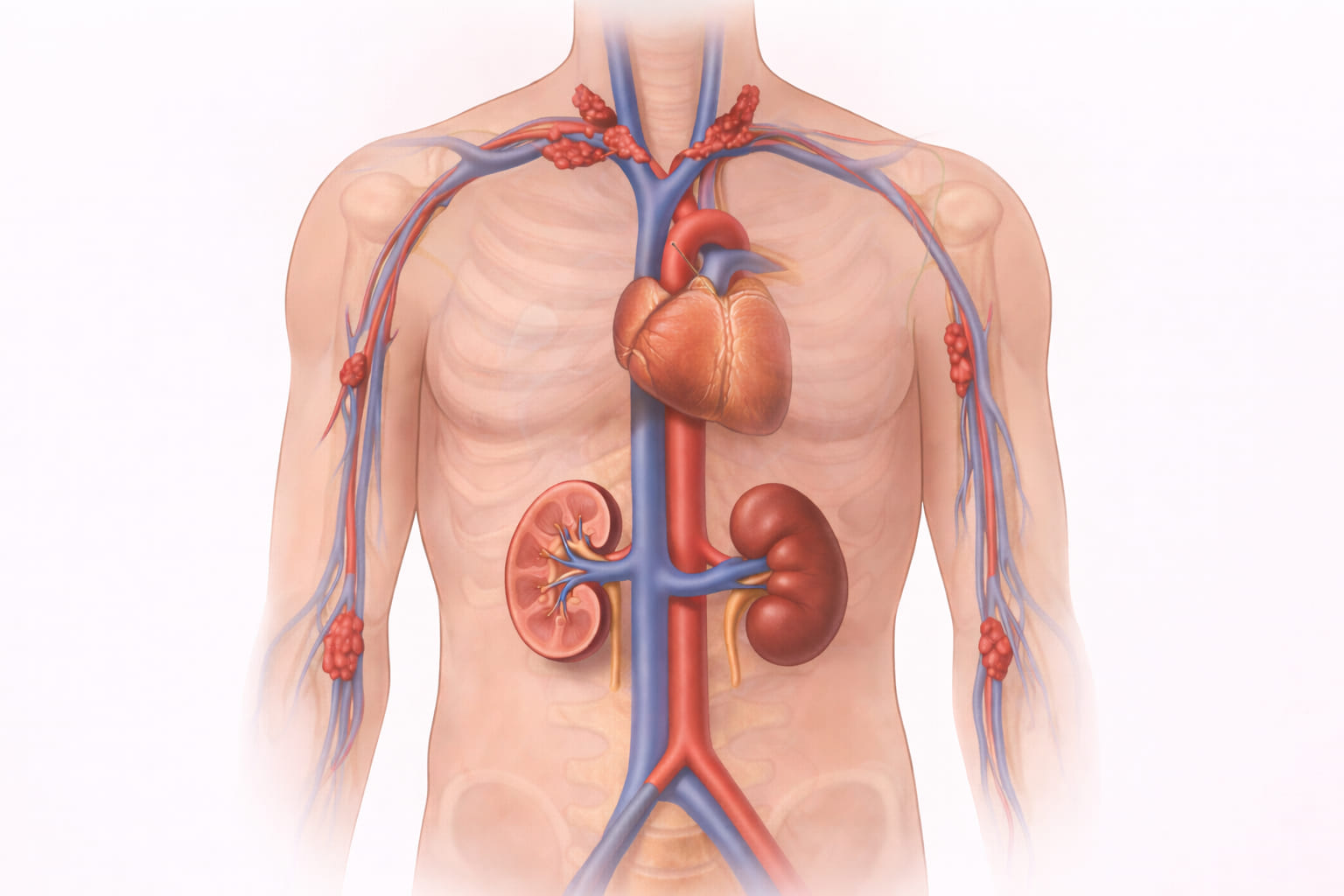
Translumbar Venous Catheters
Lifesaving Access When Every Vein Matters
- For patients who depend on long-term dialysis or intravenous therapy, reliable central venous access isn’t optional—it’s life-sustaining. But repeated catheter use can close off the usual veins in the neck and chest, leaving patients with limited options.
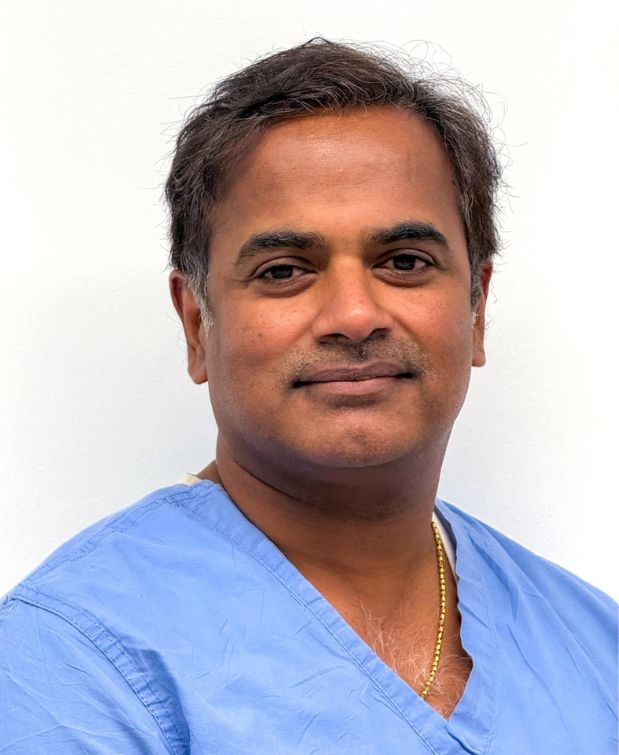
Globally recognized innovator, Dr. Ram K Gurajala MD, leads the frontier with patented technologies, 40+ pioneering publications, and breakthroughs that redefine vascular care for patients in Hyderabad, Chennai, and across India.




Lifeline for dialysis – Advanced IR expertise – Serving Hyderabad & Chennai – Minimally invasive – Lifeline for dialysis – Advanced IR expertise – Serving Hyderabad & Chennai – Minimally invasive
🩺 What is a Translumbar Venous Catheter?
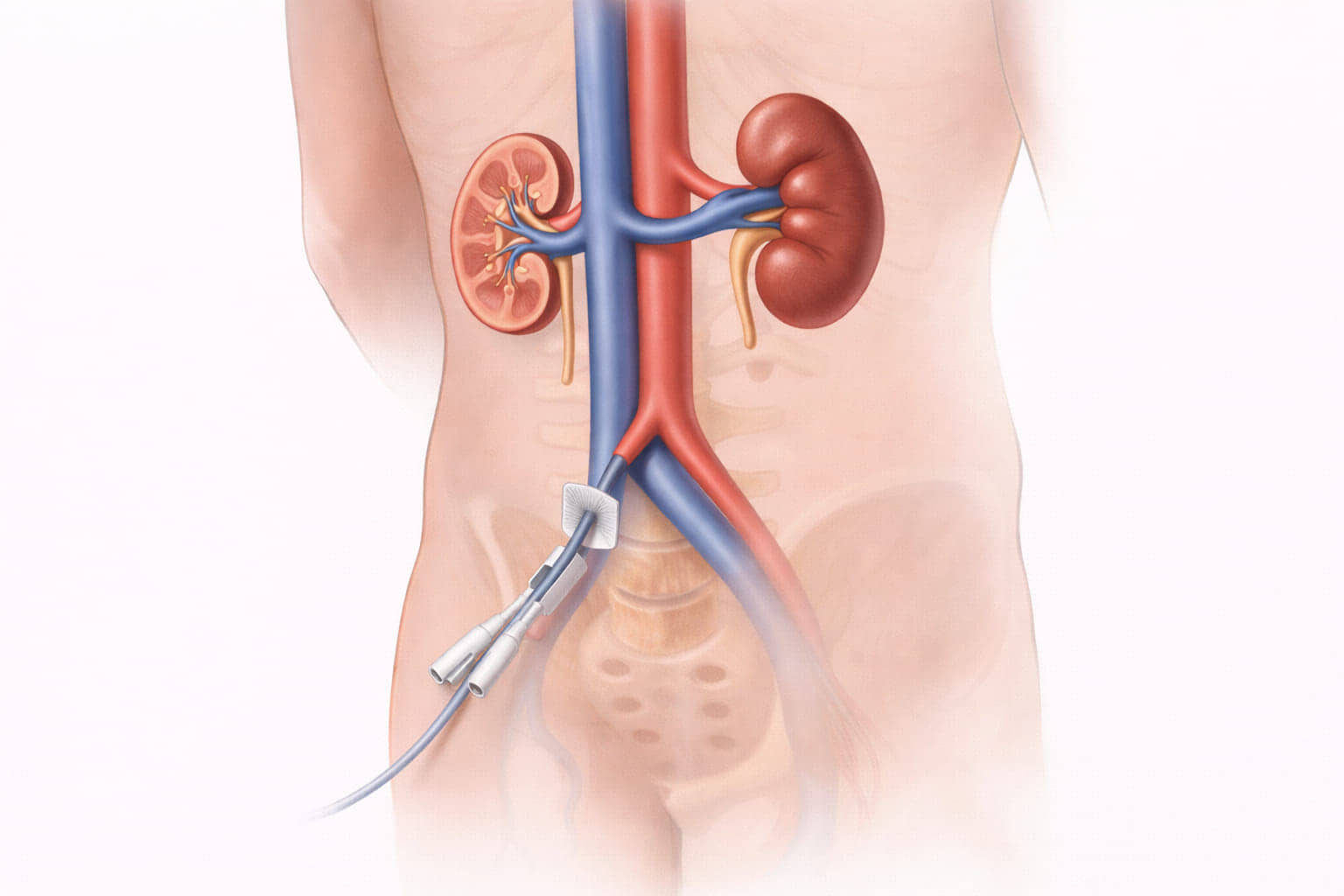
A Translumbar Venous Catheter provides a critical solution when traditional access points are exhausted. Instead of the neck or chest, a specialized catheter is placed directly into the Inferior Vena Cava (IVC) through the lower back, giving immediate, high-flow access for dialysis or essential infusions.
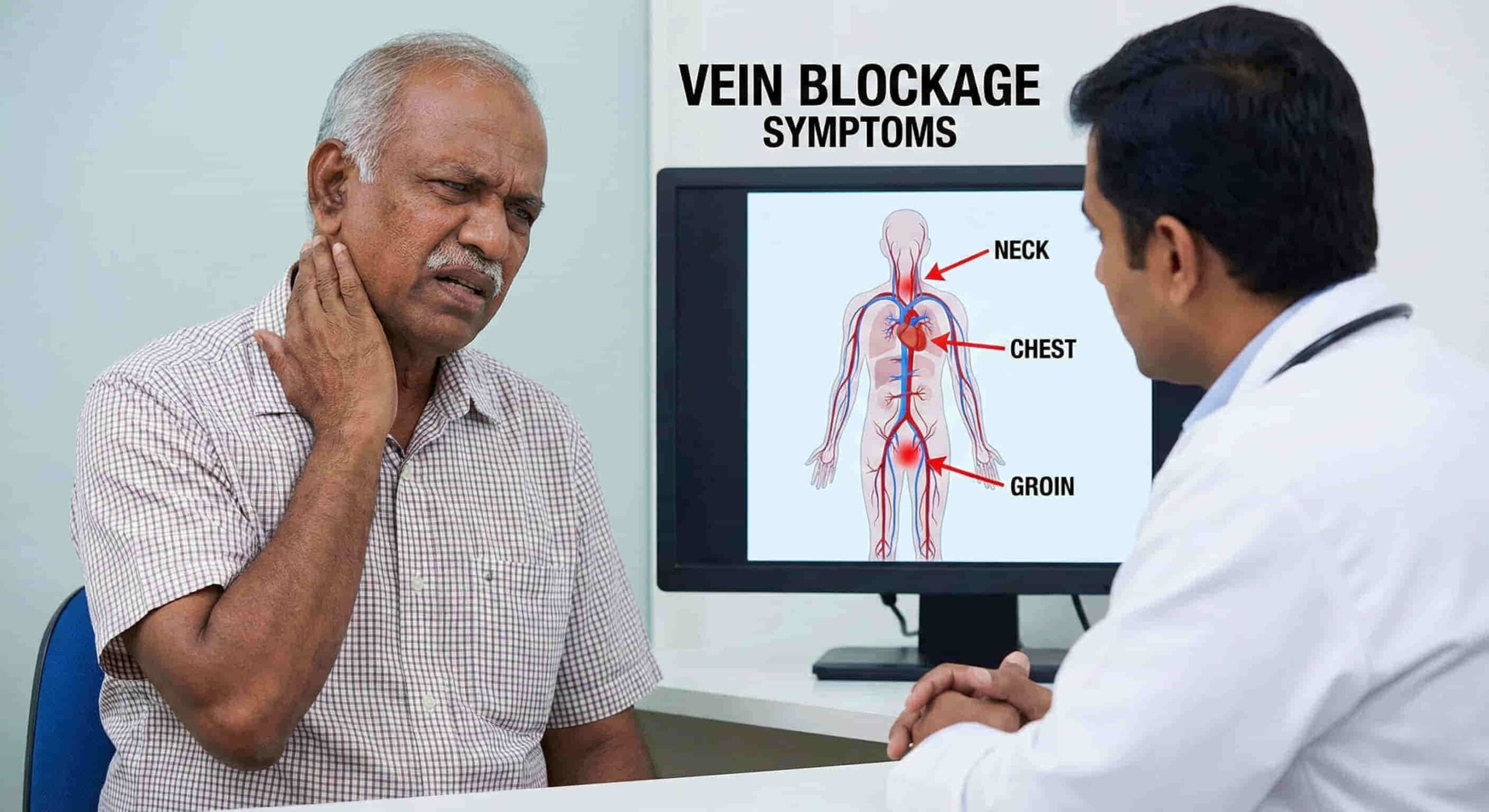
🎯 How It Works: The Direct Path
The procedure is performed under precision guidance in our advanced suites in Hyderabad and Chennai:
- Patient Positioning: The patient lies on their stomach or side.
- Imaging Guidance: Using real-time Fluoroscopy (X-ray) and sometimes CT guidance, Dr. Ram identifies the Inferior Vena Cava (IVC) sitting just in front of the spine.
- Percutaneous Access: A needle is precisely guided through the skin of the lower back and into the IVC.
- Catheter Placement: A long-term, tunneled catheter is threaded into the vein. The “tunneling” helps prevent infection and ensures the catheter stays securely in place.
5. Immediate Function: Once placed, the catheter provides high-flow access immediately, allowing dialysis or life-saving infusions to proceed without delay.
👥 Who is a Candidate?
This procedure is reserved for the most complex cases in India, including:
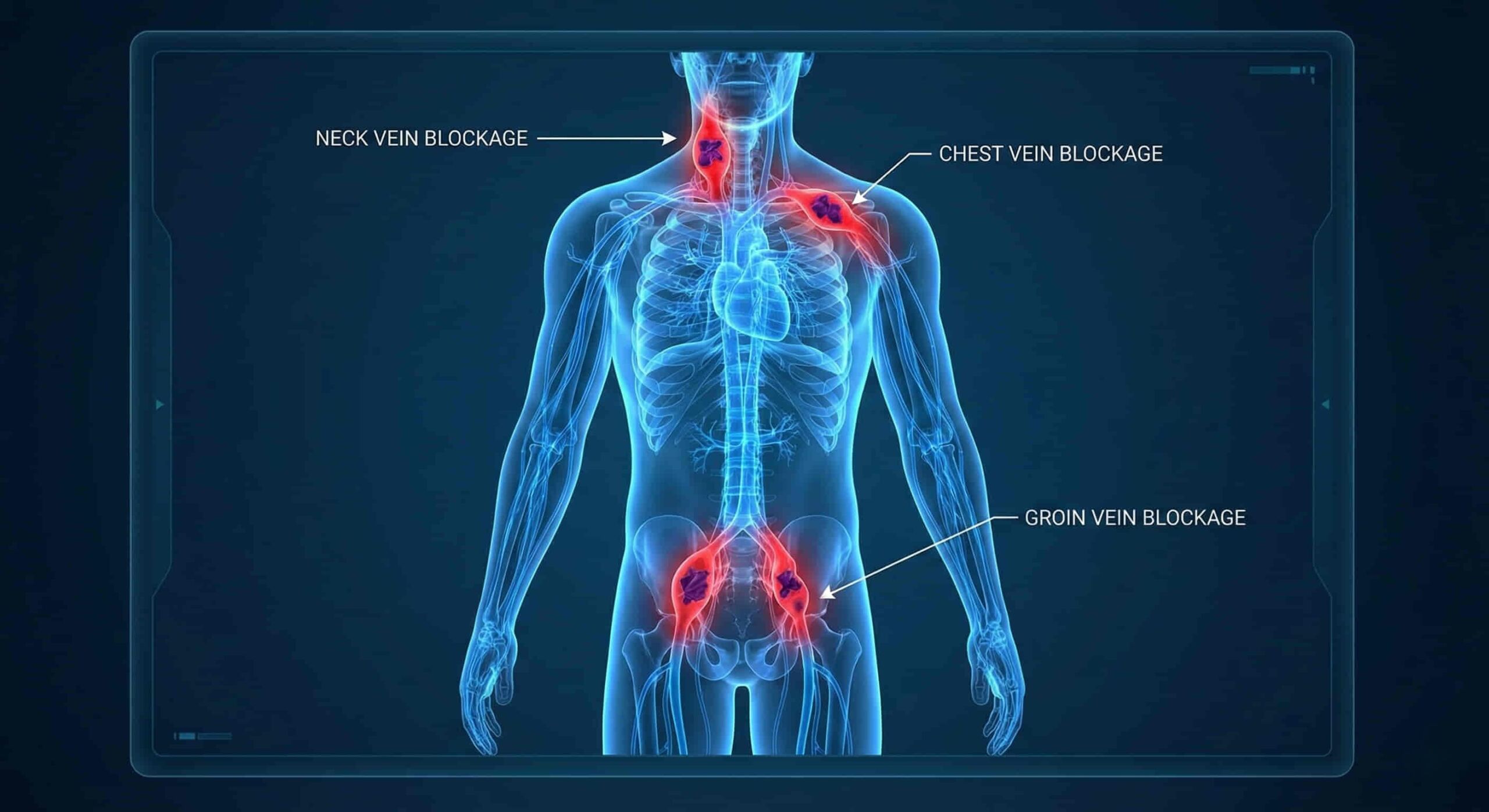
- Exhausted Access: Patients who have no usable veins left in the upper body (neck, chest, or arms) due to multiple previous blockages.
- Dialysis Dependency: Patients who require immediate hemodialysis and have failed all other standard access attempts.
- Long-Term Nutrition: Patients requiring Total Parenteral Nutrition (TPN) who have central venous occlusions.
- Failed Recanalization: When attempts to reopen blocked neck veins have not been successful.
✅ Effectiveness and Recovery
Proven Benefits:
- Life-Saving: Provides a functional access point when all other options have been exhausted.
- High Flow Rates: The IVC is a large vessel, allowing for the high blood-flow rates required for efficient dialysis.
- Durable: Translumbar catheters are designed for long-term use and are generally well-tolerated by patients.
- Minimally Invasive: Despite being an “extreme” access point, it is performed through a pinhole, avoiding the need for major open surgery.
Recovery Timeline:
Patients are monitored for a few hours post-procedure and can often return home the same day or the following morning.
Most patients resume light daily activities within 2–3 days, with guidance on protecting the catheter site.
The catheter is ready for use immediately for dialysis or therapy.
Lifeline for dialysis – Advanced IR expertise – Serving Hyderabad & Chennai – Minimally invasive – Lifeline for dialysis – Advanced IR expertise – Serving Hyderabad & Chennai – Minimally invasive
I felt trapped by my failing access points until Dr. Ram Kishore introduced me to the Translumbar approach. That procedure didn't just provide a new route; it gave me my life back.
“I was in a desperate situation. My doctors in Hyderabad told me my veins were ‘all used up’ and they couldn’t find a spot for my dialysis catheter. My arm was swelling and I was terrified. Dr. Ram Kishore performed the translumbar procedure. He explained he would go through my back instead of my neck. It worked perfectly. That catheter has been my lifeline for over a year now.”
— Venkatesh M
Hyderabad

A discreet, high-flow gateway that turns 'no access' into a reliable future.
Securing your medical future with a reliable, long-term translumbar solution.
Facing blocked veins and limited options in Hyderabad or Chennai? There is a way forward. Consult Dr. Ram Kishore Gurajala at ir4ubyram to see if a Translumbar Venous Catheter—a specialized ‘back-entry’ lifeline—is the stable, long-term solution you’ve been searching for.
-
Advanced treatments
-
Personalized approach
-
Compassionate comfort
Common questions
Frequently asked questions about Translumbar Venous Catheters
❓ Is it uncomfortable to have a catheter in my back?
While it sounds unusual, the exit site is positioned on the side of the lower back where it is easily covered by clothing. Most patients find it comfortable once the initial healing period of a few days has passed.
❓ What are the risks of going through the back?
Because the IVC is near the spine and major arteries, there is a small risk of bleeding (hematoma). However, because Dr. Ram uses high-definition imaging guidance, these risks are minimized.
❓ How long can this catheter stay in?
These are "permanent" (tunneled) catheters designed to stay in for months or even longer, provided they are kept clean and remain functional for your treatments.
❓ How do I take care of a translumbar venous catheter at home?
Proper care includes keeping the dressing clean and dry, avoiding heavy lifting for a few days, and attending regular follow-up visits. Our nursing team provides detailed catheter-care instructions to ensure long-term safety and function.
❓ Can I still move around and sleep normally?
Yes. Once the site has healed, you can sleep on your side or back. Our nursing team in Chennai and Hyderabad will provide you with a detailed "Care Guide" on how to protect the catheter during daily activities
❓ Will the catheter feel heavy or pull on my internal organs?
Not at all. The catheter is made of incredibly lightweight, flexible medical-grade material. Once it is positioned, it rests naturally within the liver’s path and the large veins. It doesn't "pull" on your organs because it is securely anchored to your skin at the exit site, so your internal body feels completely normal.
❓ How long does the procedure take, and when can I go home?
The actual procedure is quite efficient, typically taking between 60 to 90 minutes in the intervention suite. Because Dr. Ram Kishore uses minimally invasive techniques and sedation, you won't be under general anesthesia. Most patients are monitored for a few hours afterward and can usually go home the same day or after a single night’s stay for observation. It is a fast, streamlined process designed to get you back to the comfort of your own home as quickly as possible.
❓ Can I resume light exercise or go for long walks?
Physical activity is actually encouraged! Once the insertion site is fully healed, walking, light yoga, and daily chores are perfectly safe. The transhepatic route is often preferred by active patients because it keeps the neck and shoulders completely free, allowing for a much better range of motion than traditional chest catheters.