
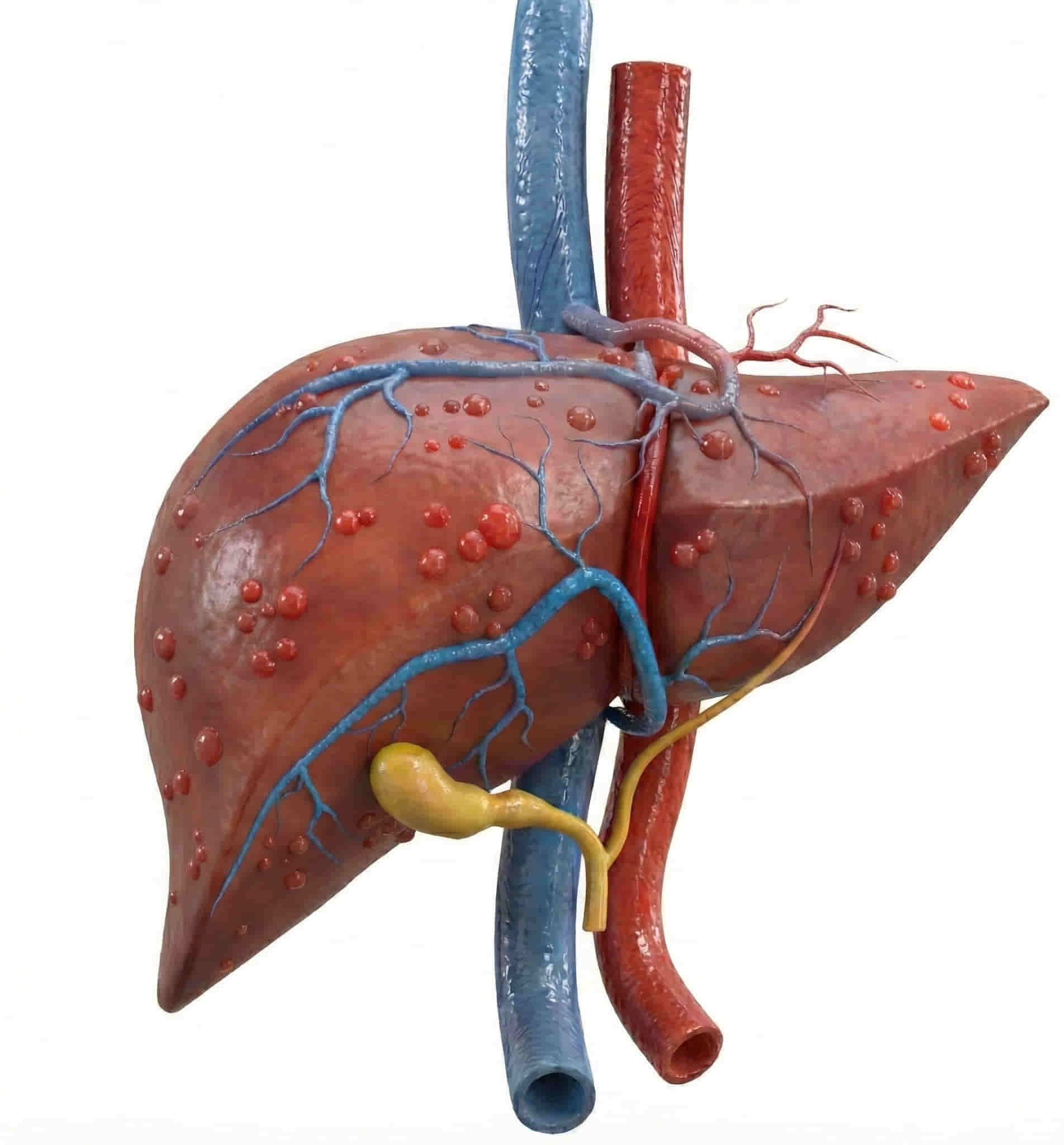
Transhepatic Venous Catheters
Access When Every Vein Is Exhausted
- For patients who rely on long-term dialysis or intravenous therapy, central venous access is life-sustaining. But in rare cases, veins in the neck, chest, and even the back are completely blocked, leaving patients with no standard access options.
- A Transhepatic Venous Catheter provides a highly specialized solution. By carefully placing a catheter directly through the liver into a hepatic vein, interventional radiologists can restore critical blood flow to the heart, enabling life-saving treatments like dialysis or high-flow IV therapy to continue.
Globally recognized innovator, Dr. Ram K Gurajala MD, leads the frontier with patented technologies, 40+ pioneering publications, and breakthroughs that redefine vascular care for patients in Hyderabad, Chennai, and across India.




Life-saving liver access – Expert IR intervention – Serving Hyderabad & Chennai – Minimally invasive – Life-saving liver access – Expert IR intervention – Serving Hyderabad & Chennai – Minimally invasive
🩺 What is a Transhepatic Venous Catheter?
This procedure involves placing a catheter directly through the liver and into one of the hepatic veins, which then drains into the Inferior Vena Cava (the body’s largest vein). Because of the complexity of the anatomy, this “extreme access” procedure is only performed by the most experienced interventional radiologists in India.
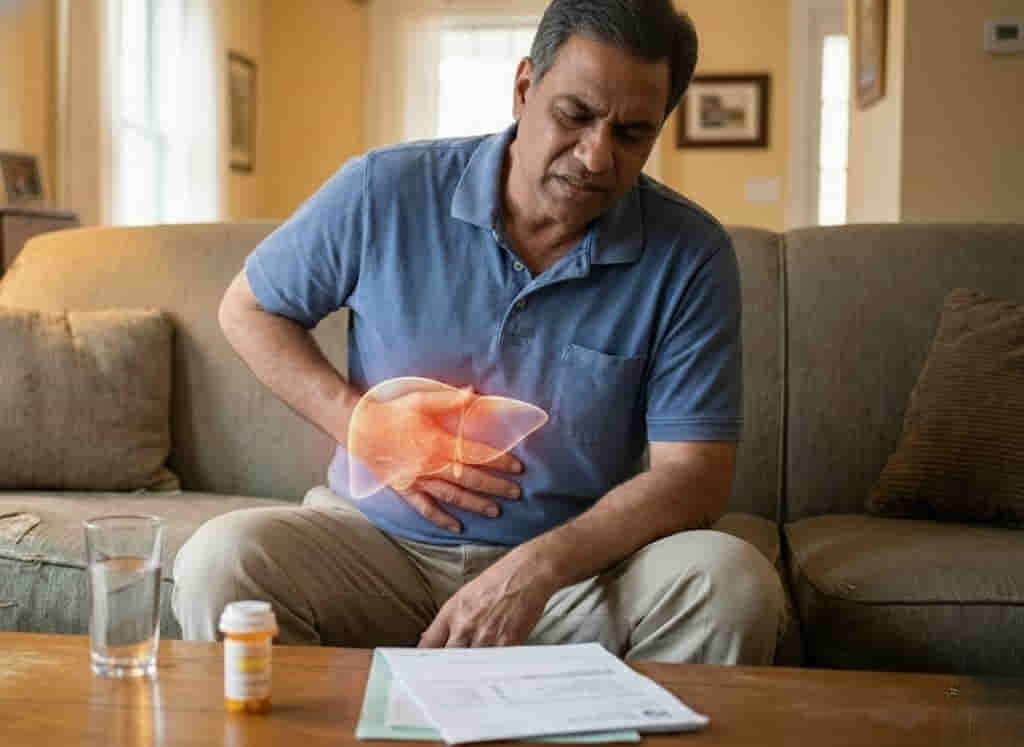
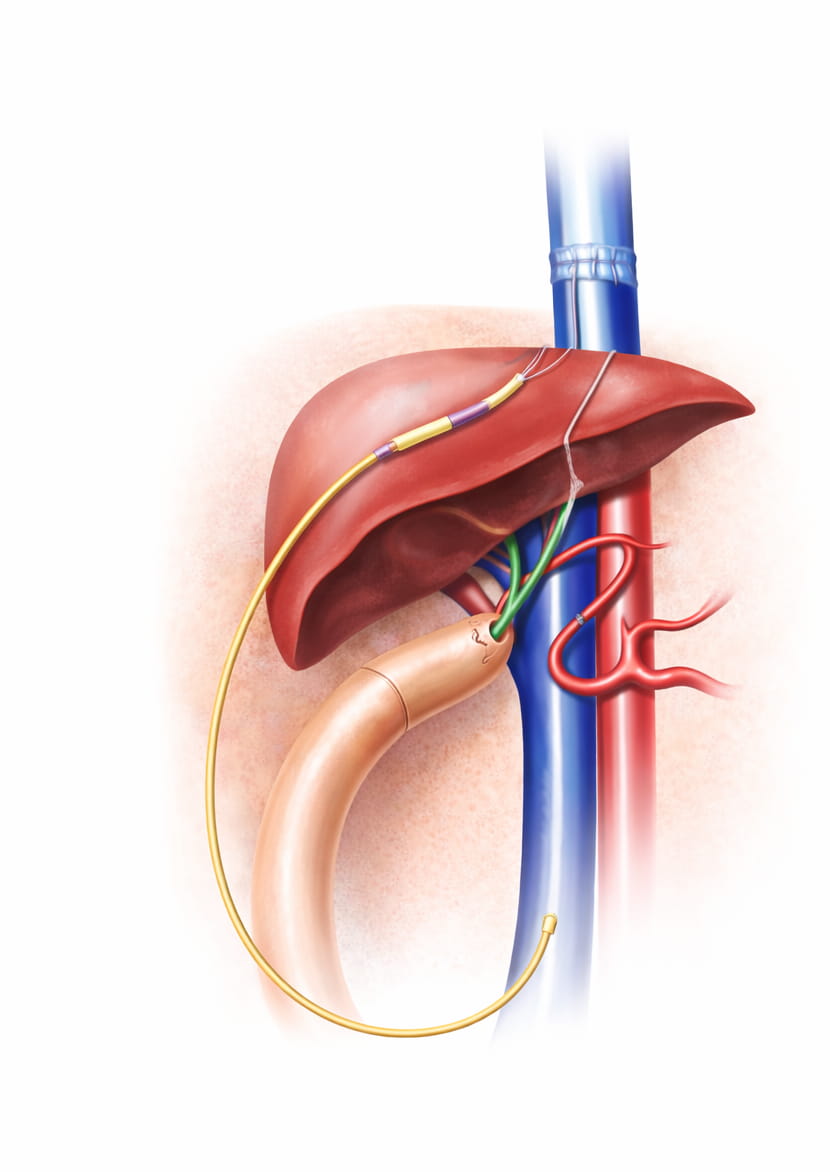
🎯 How It Works: Access Through the Liver
The procedure is performed using precision imaging in our specialized centers in Hyderabad and Chennai:
- Imaging Preparation: Ultrasound and Fluoroscopy (X-ray) are used simultaneously to visualize the liver and the veins within it.
- Percutaneous Entry: Under local anesthesia and sedation, a small needle is guided through the skin on the right side of the abdomen, passing through a small portion of the liver tissue.
- Venous Access: The needle enters one of the hepatic veins. A guide wire is then threaded into the Inferior Vena Cava and up toward the heart.
- Catheter Placement: A durable, “tunneled” catheter is placed over the wire. The “tunnel” under the skin helps anchor the catheter and provides a barrier against infection.
- Immediate Use: Once the position is confirmed, the catheter can be used immediately for life-sustaining treatments like hemodialysis or specialized infusions.
👥 Who is a Candidate in India?
Transhepatic access is a vital option for:
- Exhausted Upper & Lower Access: Patients who have no usable veins in the neck, chest, or legs, and who are not candidates for translumbar access.
- Dialysis Lifeline: Patients with end-stage renal disease who require immediate access to continue life-saving hemodialysis.
- Long-Term Medication: Patients requiring high-flow IV therapy or Total Parenteral Nutrition (TPN) with no other central venous options.
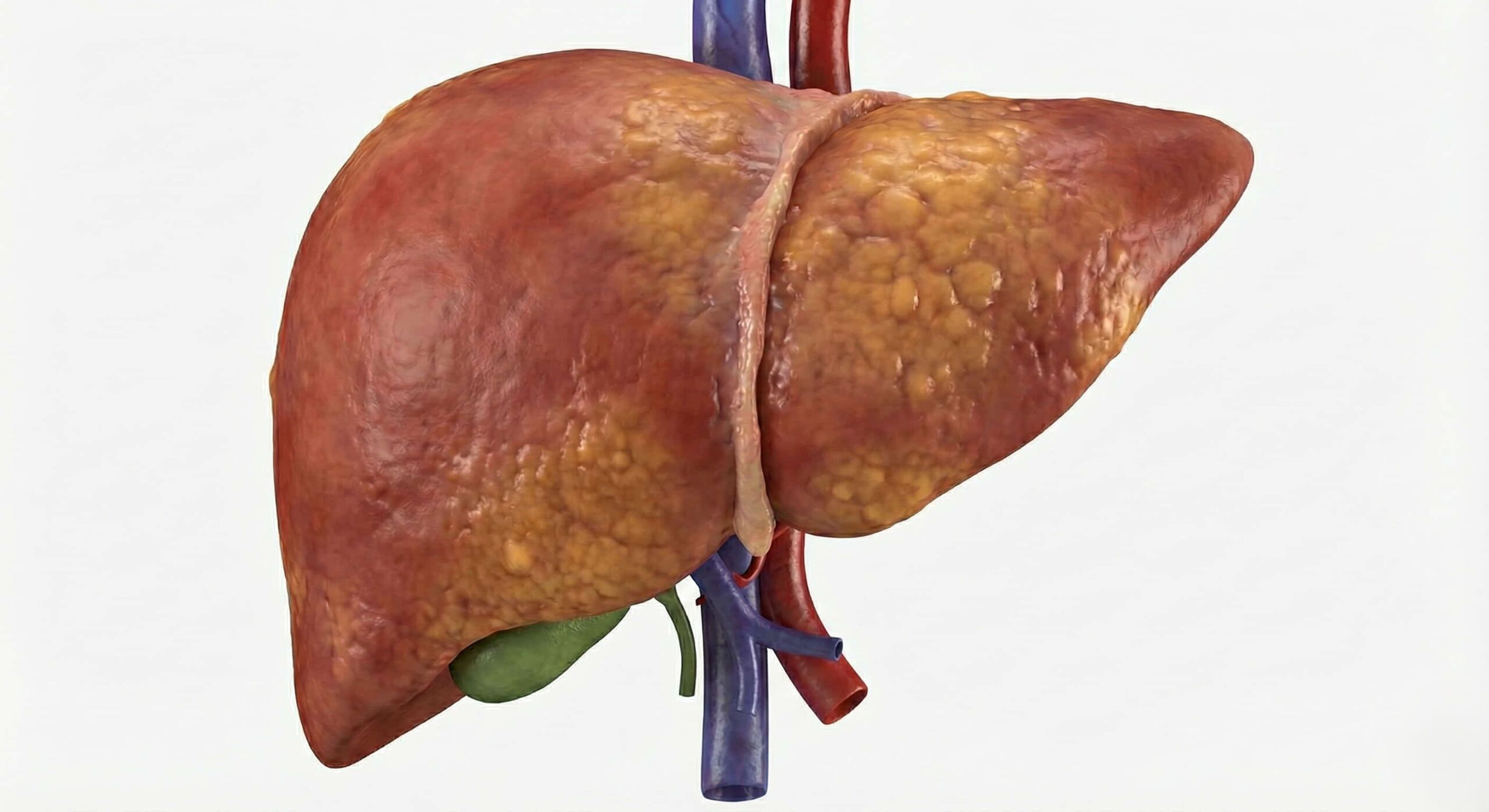
✅ Effectiveness and Recovery
Proven Benefits:
- Last-Resort Success: Provides a functional route for therapy when a patient has been told no more access is possible.
- High Reliability: Despite the unconventional route, transhepatic catheters provide excellent blood flow for dialysis.
- Minimally Invasive: Performed through a pinhole, avoiding the risks of major open vascular surgery.
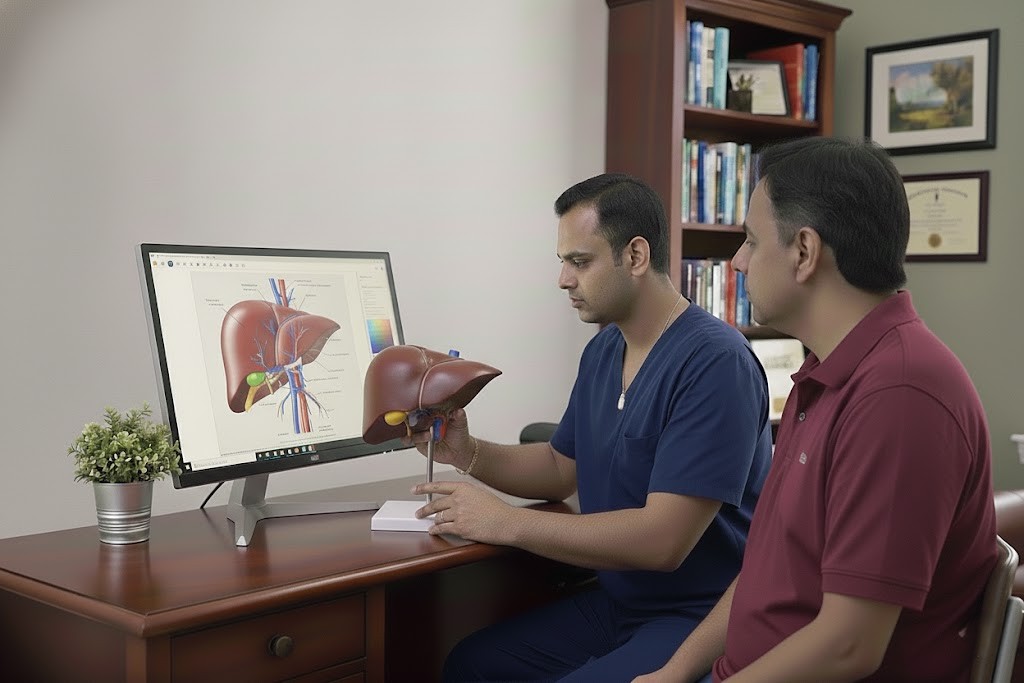
Recovery Timeline:
- Patients are typically observed for 4–6 hours to monitor the liver access site.
- There may be mild “soreness” in the right side or shoulder for a day or two.
- Most patients in Hyderabad and Chennai return to light activities within 48 hours.
- The catheter can usually be used immediately for dialysis or infusions once placement is confirmed.
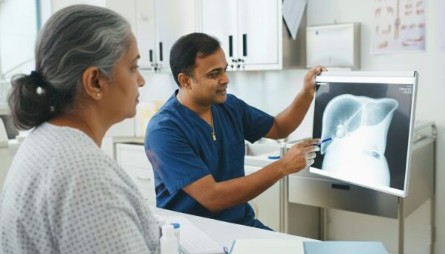
Life-saving liver access – Expert IR intervention – Serving Hyderabad & Chennai – Minimally invasive – Life-saving liver access – Expert IR intervention – Serving Hyderabad & Chennai – Minimally invasive

Before I met Dr. Ram Kishore for Transhepatic Venous Catheterization, I honestly felt like my health had reached a dead end. That procedure changed my entire outlook.
“I was told by my medical team that I had ‘run out of veins’ and there was no way to continue my treatments. I came to see Dr. Ram Kishore as a last hope. He explained that he could go through my liver to reach the main vein. The procedure saved my life. I’ve been using my transhepatic catheter for six months now without any issues. I’m so grateful for his expertise.”
— Lakshmanan G
Chennai

One transhepatic procedure, endless peace of mind for your health.
Ending the cycle of Venous with a reliable, long-term transhepatic solution.
👉 If you or a loved one in Hyderabad or Chennai is suffering from venous occlusive and exploring alternatives to surgery, consult Dr. Ram Kishore Gurajala at ir4ubyram to see if Transhepatic Venous Catheters could be the solution.
-
Advanced treatments
-
Personalized approach
-
Compassionate comfort
Common questions
Frequently asked questions about Transhepatic Venous Catheters
❓ Does it hurt the liver to have a catheter go through it?
The liver is a large, resilient organ. The catheter occupies a very tiny path through the liver tissue, which does not affect your overall liver function. The site heals quickly around the catheter.
❓ How do I care for a transhepatic catheter?
Care is similar to other central lines. It must be kept dry and clean. Our specialized nursing staff in Chennai and Hyderabad will provide you and your caregivers with a detailed training session on dressing changes and site protection.
❓ How long can a transhepatic venous catheter be used?
With proper care and regular follow-up, a transhepatic venous catheter can be used for months and sometimes longer, providing reliable access for dialysis or long-term infusions when no other routes are available.
❓ What are the specific risks of this route?
Because the path goes through the liver, there is a small risk of bleeding or bile leakage. However, Dr. Ram uses advanced imaging guidance to select the safest possible path, making these complications very rare.
❓ Is this procedure available at all hospitals in India?
No. Transhepatic access is an "extreme" procedure that requires a high level of interventional radiology expertise and specialized equipment. It is offered at our premier locations at Lakshmi Hospital (Hyderabad) and MGM Hospital (Chennai).
❓ Will I feel the catheter inside me when I move, eat, or breathe?
Most patients are surprised to find they cannot feel the catheter inside their body at all. Since there are no nerve endings inside the liver or veins, you won't experience any internal "poking" or "tugging." Once healed, you'll only be aware of the small exit site on your skin.
❓ How long does the procedure take, and when can I go home?
The procedure usually takes about 60 to 90 minutes and is performed under sedation to keep you comfortable. Most patients are up and moving shortly after and can typically go home the same or next day. It is a fast, efficient way to secure your health without the long recovery time of traditional surgery.
❓ Is this a "forever" solution, or will I run out of options again?
The transhepatic route is considered a long-term durable access. Because the hepatic veins (liver veins) are large and have high blood flow, they are much less likely to "scar down" or block up as quickly as the smaller veins in the arms or neck. For many patients with Central Venous Occlusive Disease, this becomes their stable, permanent lifeline for years.