A contemporary medical marvel, interventional radiology (IR) provides advanced, less invasive treatment options that are transforming patient care. Renowned specialist Dr. Ram Gurajala frequently emphasizes how interventional radiology techniques offer very successful remedies for a variety of ailments, helping patients as well as the larger medical community.
This blog will examine the many benefits of interventional radiology, highlighting its significance with particular instances and demonstrating why it has grown to be an essential part of modern medicine.
What is Interventional Radiology? The Less Invasive Advantage
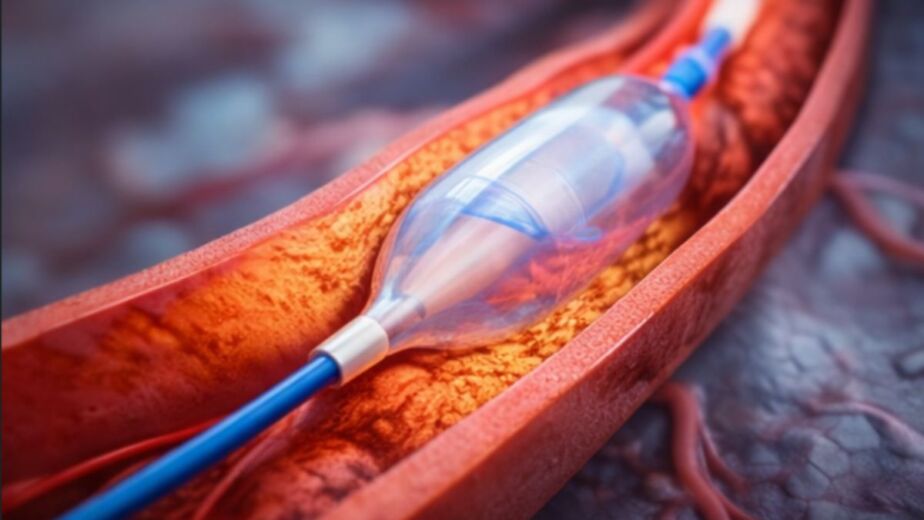
Fundamentally, interventional radiology uses sophisticated imaging techniques, including CT, MRI, ultrasound, and X-rays, to guide tiny instruments through tiny wounds or natural body openings. This method eliminates the need for conventional open surgery and enables remarkably accurate disease diagnosis and treatment.
Dr. Gurajala is a strong supporter of this less intrusive approach because he understands that it results in less discomfort for patients, quicker recovery periods, and fewer complications. The advantages of interventional radiology are genuinely revolutionary, changing the face of numerous medical interventions..
Take vascular system disorders, for example. Advances in vascular interventional radiology have made it possible to treat many of these same problems with much less bodily trauma, whereas previously extensive open surgery was the only option. One of interventional radiology’s distinguishing features and a major factor in its growing acceptance by patients and medical professionals is its dedication to being less invasive.
Transformative Benefits of Interventional Radiology for Patients
The benefits of selecting interventional radiology for patients are numerous and transformative:
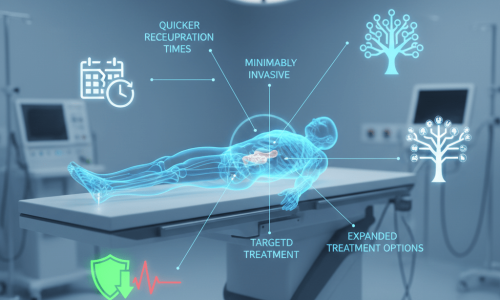
- Minimally Invasive: Interventional radiology is less invasive, as Dr. Gurajala stressed. In contrast to traditional surgery, this means that procedures are usually carried out through tiny punctures, which results in less pain, smaller scars, and a much lower risk of complications.
- Quicker Recuperation Times: Faster recovery times are directly related to the less invasive nature of interventional radiology procedures. Patients can return to their daily routines much more quickly because they frequently have shorter hospital stays and occasionally receive treatment as outpatients.
- Reduced Risks: The risk of infection, blood loss, and other surgical complications is significantly reduced because there are fewer entry points and less damage to body tissues. Patient safety is Dr. Gurajala’s top priority, and interventional radiology’s inherent lower risks are a perfect fit.
- Targeted Treatment: Interventional radiology enables highly precise targeting of the problem area. This accuracy ensures that treatment is delivered directly where it’s needed, minimizing impact on surrounding healthy tissues. This precision is a hallmark of interventional radiology and contributes significantly to its effectiveness.
- Expanded Treatment Options: For patients who may not be candidates for traditional surgery due to age, co-existing medical conditions, or personal preference, interventional radiology often provides a viable and effective alternative.
These profound benefits highlight why interventional radiology is a game-changer for so many individuals, offering potent solutions with a significantly gentler approach.
Is Interventional Radiology (IR) Availability in India?
Yes, Interventional Radiology (IR) is well-established and readily available across major Indian metropolitan areas. Driven by the significant benefits of interventional radiology, many specialized hospitals offer a full spectrum of IR services, including complex vascular interventional radiology treatments and various tumor-treating interventional radiology procedures.
Furthermore, a leading expert in the field, Dr. Ram Gurajala, is actively available for consultations and advanced care in India, particularly focusing on his presence in Hyderabad and Chennai. This confirms that Indian patients have excellent access to world-class, less invasive treatment options locally.
Conditions Treated with Interventional Radiology
The versatility and broad applicability of interventional radiology mean that Dr. Gurajala and his peers can treat an incredibly wide spectrum of medical conditions. Here are just a few examples of common conditions treated with interventional radiology:
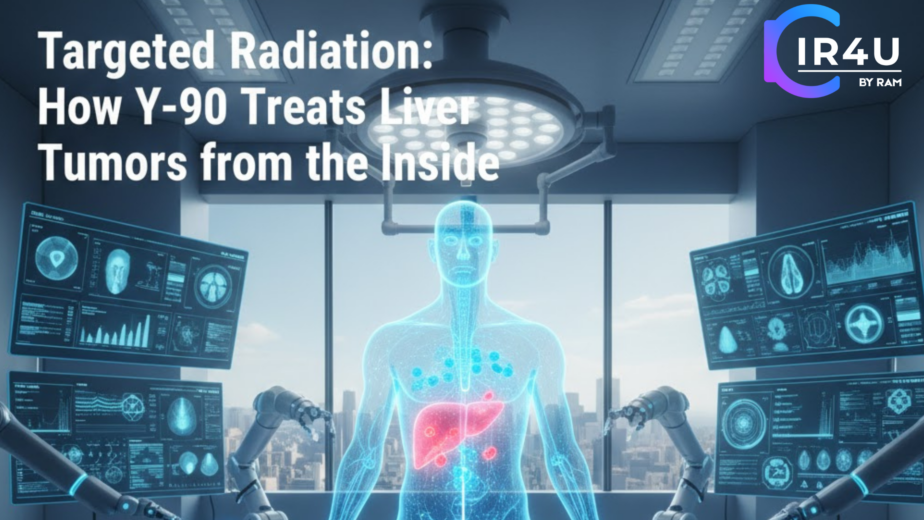
- Cancer: Embolization therapies, such as Transarterial Chemoembolization (TACE) for liver cancer or radioembolization, deliver targeted therapy directly to tumors, minimizing systemic side effects.
- Uterine Fibroids: Uterine Fibroid Embolization (UFE) offers a less invasive alternative to hysterectomy for women suffering from symptomatic fibroids.
- Kidney Disease: Interventional radiologists are crucial in creating and maintaining dialysis access for patients with end-stage renal disease.
- Pain Management: Image-guided Kyphoplasty, nerve blocks and targeted injections can provide significant and lasting relief for various chronic pain conditions.
- Trauma: In emergency situations, interventional radiology techniques can rapidly stop internal bleeding, often saving lives without the need for extensive open surgery.
The impressive range of conditions treated with interventional radiology underscores its invaluable contribution across numerous medical specialties.
Why Everyone Should Know About Interventional Radiology: Your Less Invasive Choice!
When you hear “medical procedure,” do you immediately picture a large surgery, general anesthesia, and weeks of painful recovery? It’s completely understandable, that’s the old way of thinking! But modern medicine has changed dramatically, and leading the charge is a revolutionary field called Interventional Radiology (IR).
A champion of this specialized care often emphasizes that IR procedures are about being ruthlessly targeted, minimally invasive, and clinically proven to deliver faster, better outcomes. If you’re looking for treatment that is effective but also puts your comfort and quick return to life first, here is why you should ask your doctor about the benefits of interventional radiology.
Conclusion: The Future is Less Invasive
Interventional radiology, championed by experts like Dr. Ram Gurajala, represents a significant leap forward in medical science. Its core principle of being less invasive, combined with precise image guidance, delivers profound benefits for patients, including less pain, faster recovery, and reduced risks. For doctors, it offers powerful, accurate, and technologically advanced methods to treat a vast array of conditions, from complex vascular issues to various forms of cancer.
The continuously expanding scope of interventional radiology procedures and the transformative impact of vascular interventional radiology firmly establish its crucial role in modern healthcare. As the medical community increasingly embraces less invasive approaches, the benefits of interventional radiology are set to grow even further, continuing to revolutionize patient care for a healthier future.