
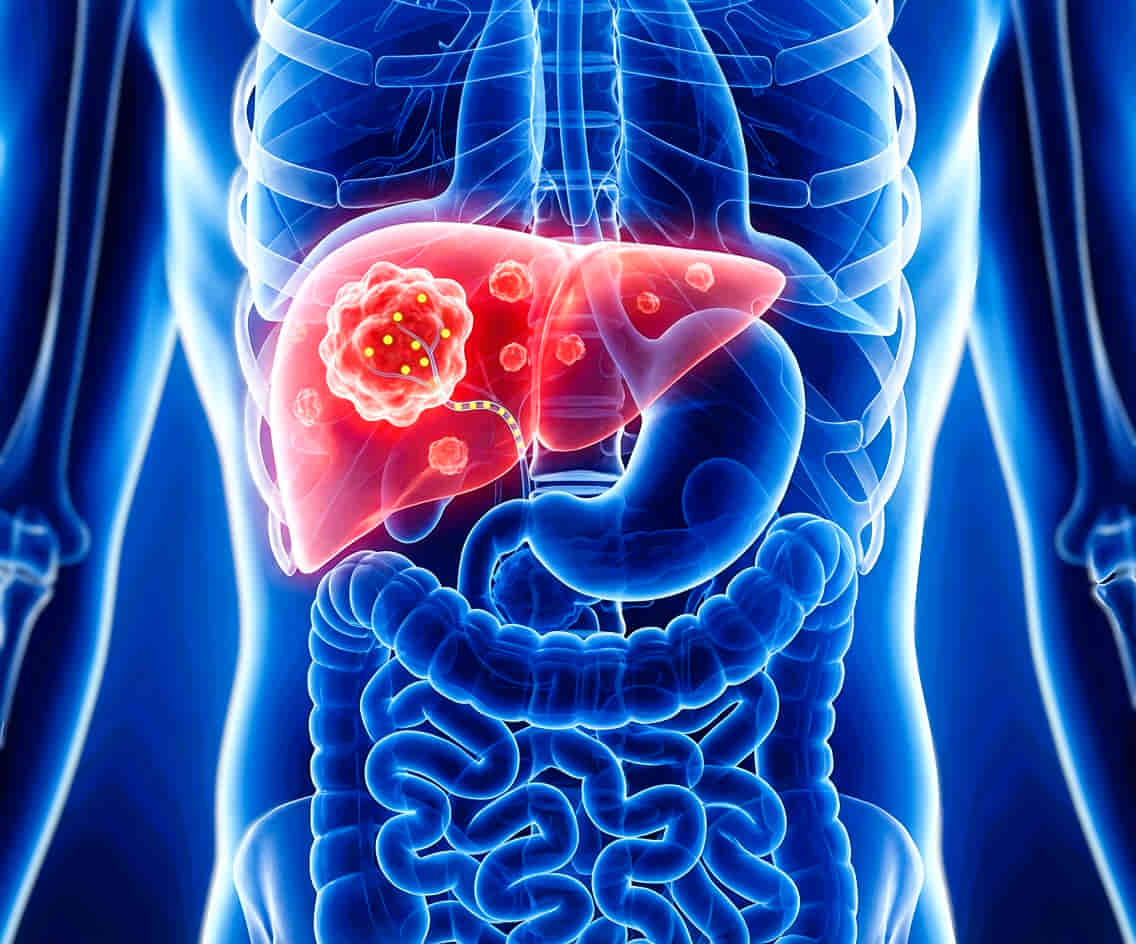
Y90 RADIOEMBOLIZATION
- A Precision Strike Against Liver Cancer
- A liver cancer diagnosis can feel overwhelming. Patients and families are often faced with difficult choices, uncertainty, and fear about what comes next. Y90 Radioembolization offers a treatment option designed to bring clarity, precision, and renewed hope.
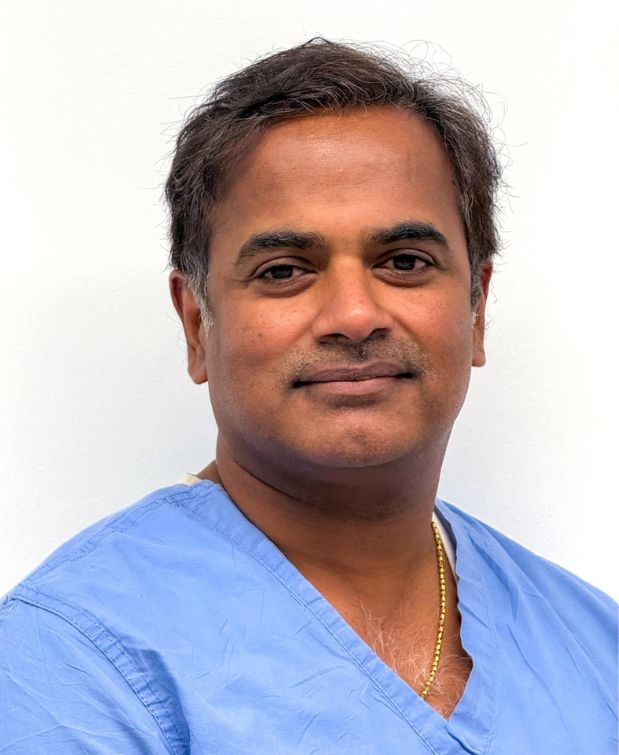
Globally recognized innovator, Dr. Ram K Gurajala MD, leads the frontier with patented technologies, 40+ pioneering publications, and breakthroughs that redefine cancer and vascular care.



Minimally invasive, liver-directed treatment - Non-surgical, targeted therapy - Short hospital stay with faster recovery - Preserves healthy liver tissue - Minimal disruption to daily life - Can control tumor growth and support future surgery or transplant
🩺 What Is Y90 Radioembolization?
- Y90 is a minimally invasive therapy that treats liver tumors from the inside, delivering radiation directly where it’s needed most—to the cancer itself.
- Instead of affecting the entire body, millions of tiny radioactive beads are guided straight into the blood vessels feeding the tumor, helping destroy cancer cells while protecting the healthy parts of the liver.
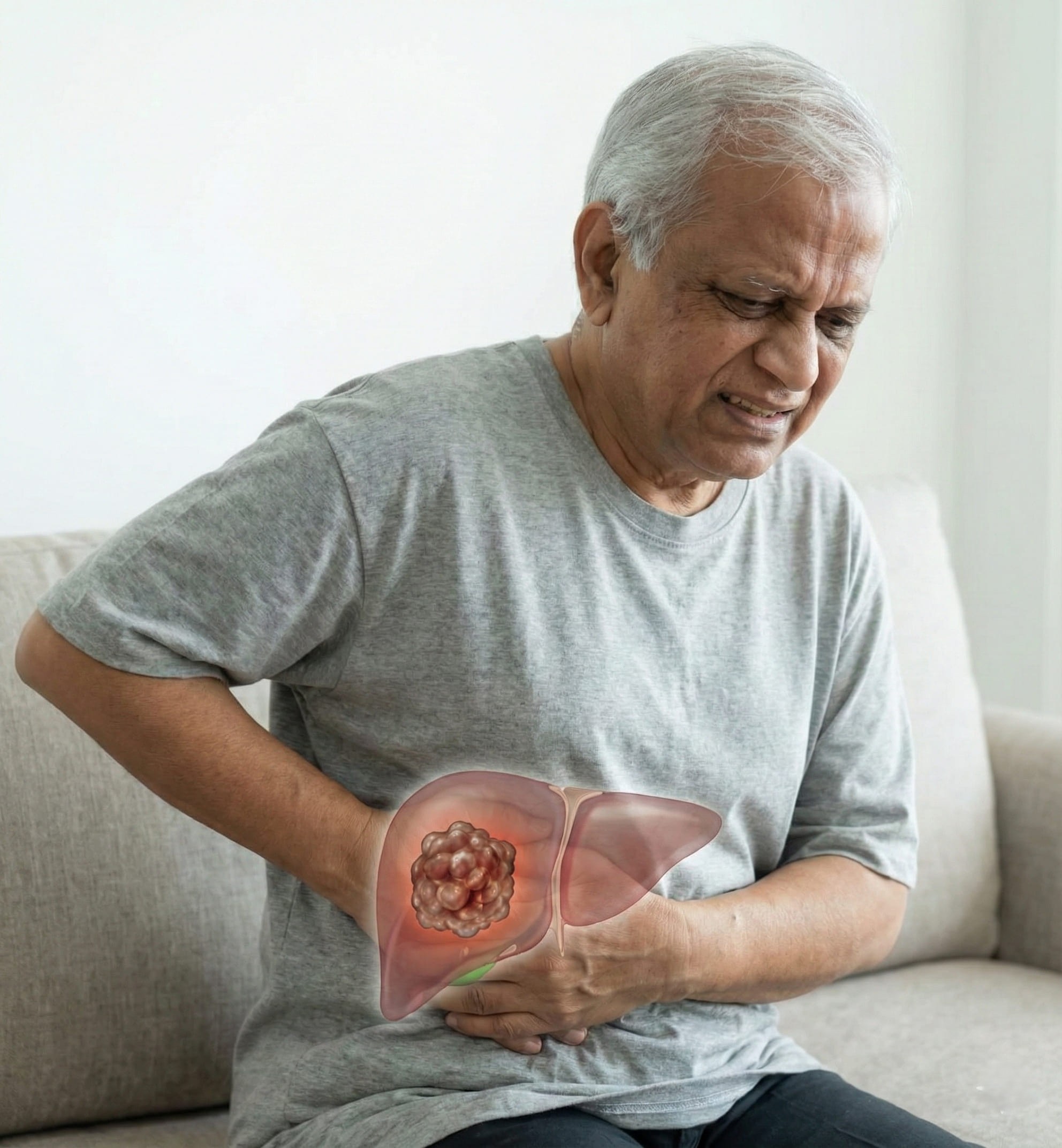
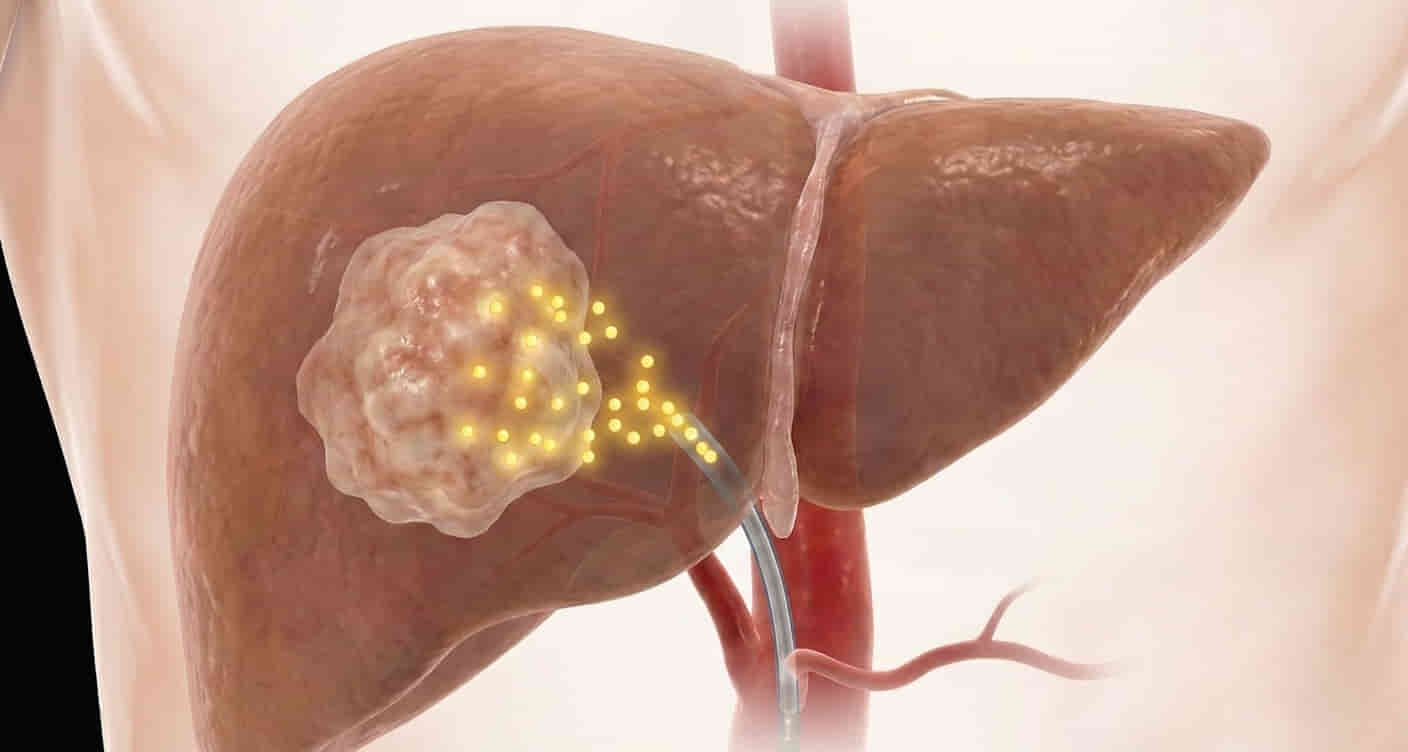
🎯 How Y90 Works: Targeting the Tumor
Using precision vascular mapping, the interventional radiologist treats the cancer at its source:
- Guided Access
Through a tiny pinhole in the wrist or groin, a micro-catheter is navigated into the specific hepatic artery branches supplying the tumor. - The Mapping Angiogram
Before treatment, a “map” of the liver’s blood supply is created to ensure the radioactive beads will reach the tumor safely without affecting other organs.
- Deploying the “Smart Beads”
Millions of Y-90 microspheres are released. These beads lodge permanently in the small vessels of the tumor. - Localized Radiation
Over the next 10–14 days, the beads emit intense radiation over a very short distance, killing the cancer cells while sparing the rest of the liver. - Recovery
Because it is minimally invasive, patients experience significantly fewer side effects than traditional systemic chemotherapy.
👥 Who Is a Candidate for Y90?
Y90 is an excellent option for:
Primary Liver Cancer: Hepatocellular Carcinoma (HCC).
Metastatic Cancer: Cancer that has spread to the liver (e.g., from the colon, breast, or neuroendocrine tumors).
Non-Surgical Patients: Those whose tumors cannot be safely removed by surgery.
Bridge to Transplant: Patients waiting for a liver transplant who need to keep the tumor in check.
⚠️ A comprehensive multidisciplinary evaluation is required. At IR4U Hyderabad & Chennai, Dr. Ram Kishore Gurajala coordinates with oncologists to provide personalized treatment plans.
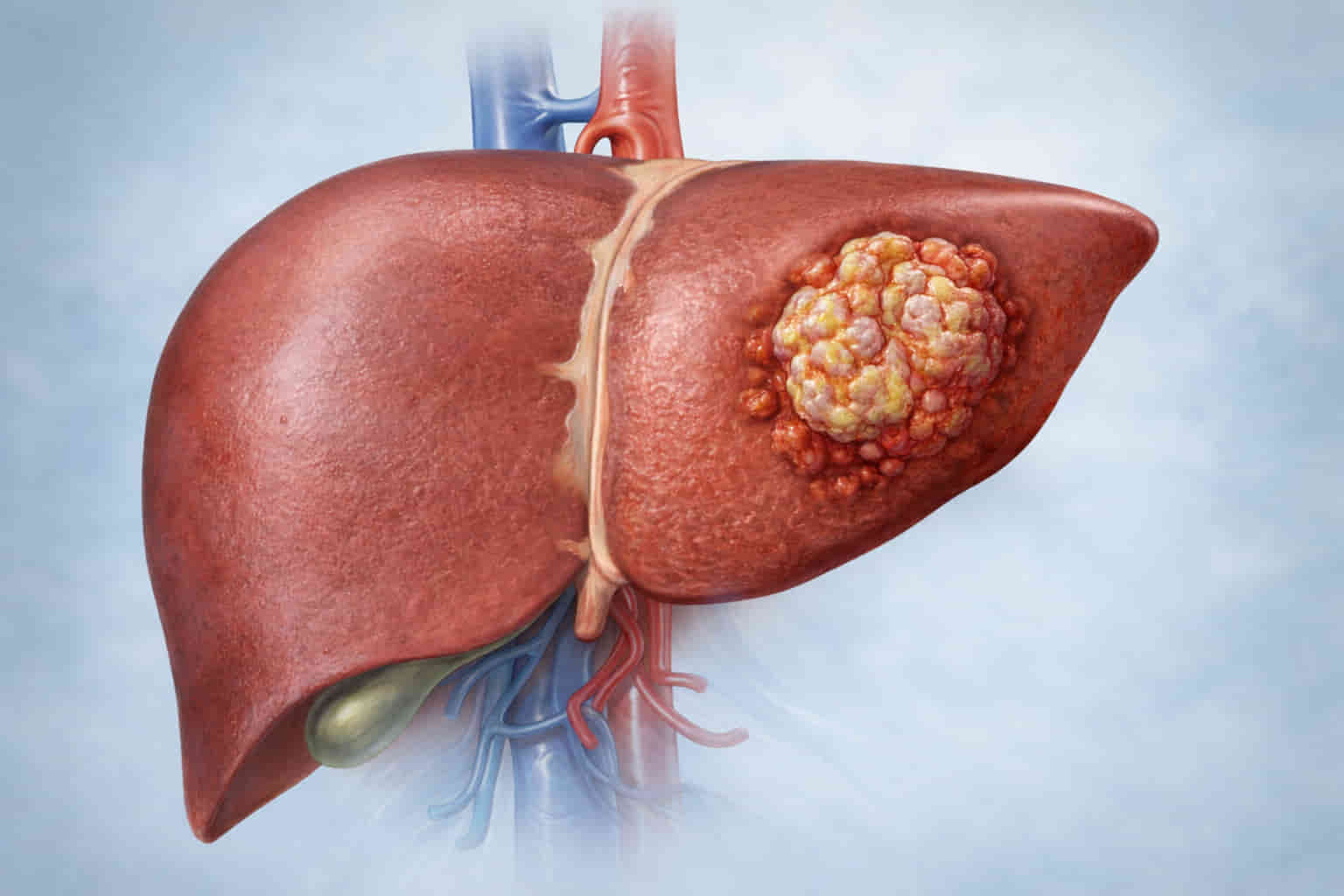
✅ Effectiveness and Recovery
Proven Benefits:
- Targeted Destruction: Delivers up to 40x more radiation to the tumor than external beams.
- Preservation of Function: Minimizes damage to healthy liver tissue.
- Outpatient Comfort: Most procedures are performed with a same-day or overnight stay.
- Combinable: Can be used alongside other treatments like TACE or immunotherapy.
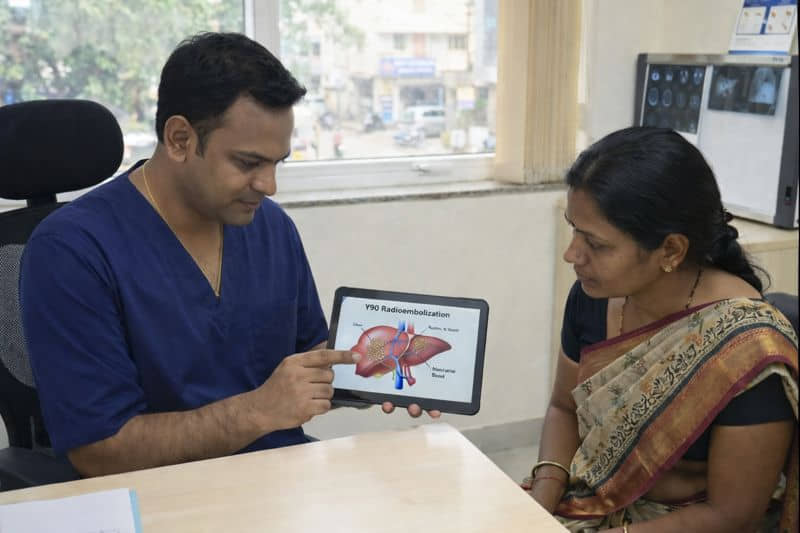
Recovery Timeline:
- Most patients return to normal activities within 3–5 days.
- Common side effects are mild, such as temporary fatigue or a low-grade fever (Post-Embolization Syndrome).
- Hospital stays are usually short, with many patients discharged the same day or within 24 hours.
- Follow-up imaging (MRI/CT) is performed at 4–12 weeks to monitor tumor shrinkage.
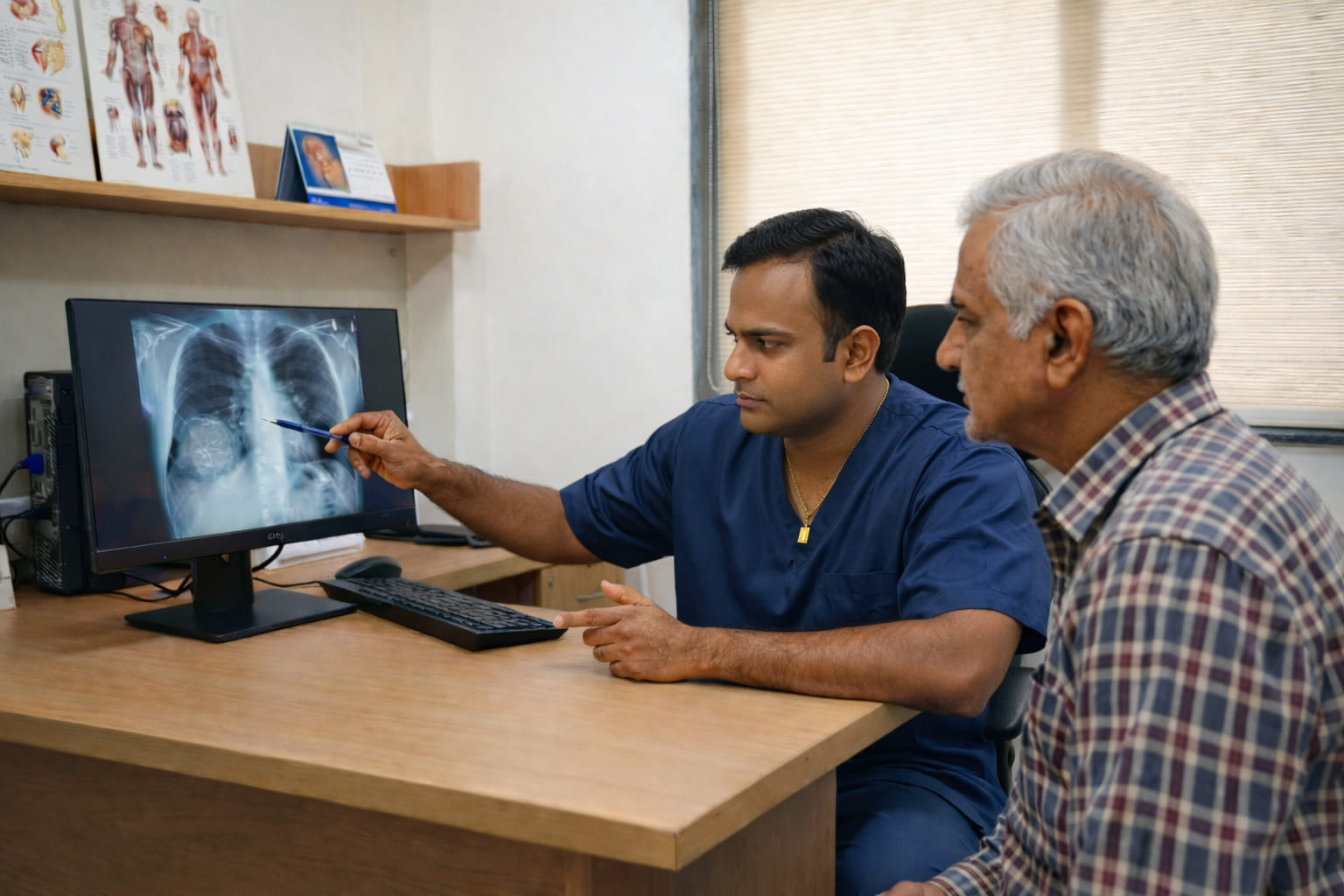
Minimally invasive, liver-directed treatment - Non-surgical, targeted therapy - Short hospital stay with faster recovery - Preserves healthy liver tissue - Minimal disruption to daily life - Can control tumor growth and support future surgery or transplant
I was told my liver tumor was inoperable and that standard chemo was my only hope. The side effects were daunting. Then I met Dr. Ram Kishore. He explained how Y90 could target the tumor directly through a tiny tube in my wrist. The procedure was quick, I felt very little pain, and I was home the next day. My latest scans show the tumor has shrunk significantly. Dr. Ram gave me back my quality of life. — Srinivas Rao, Chennai
Ram Reddy,
Hyderabad

Y-90 Radioembolization Is More Than an Advanced Procedure
It’s a life-changing option for patients facing liver cancer with limited treatment choices.
👉 If you or a loved one in Hyderabad or Chennai is navigating liver cancer and exploring alternatives to major surgery or aggressive chemotherapy, consult Dr. Ram, an experienced Interventional Radiologist, to understand whether Y-90 Radioembolization could be the right option for you.
Consult Now to explore your treatment options with clarity and confidence.
-
Advanced liver-directed treatments
-
Personalized, multidisciplinary care
-
Compassionate comfort with minimally invasive approach
Common questions
Frequently asked questions about Y90 Radioembolization / Selective Internal Radiation Therapy (SIRT)
❓ How is Y90 different from regular radiation?
External radiation has to pass through the skin and healthy tissue to reach the liver, which limits the dose. Y90 is "internal" radiation; the beads sit inside the tumor, allowing for a much higher, more effective dose of radiation with fewer side effects.
❓ Is the radiation dangerous to my family?
The radiation from Y-90 travels only a few millimeters within the liver. While we recommend simple precautions for the first 3–7 days (such as avoiding very close contact with children or pregnant women), you are not "radioactive" in a way that endangers others.
❓ Will I lose my hair or feel nauseous like with Chemo?
No. Because the treatment is targeted to the liver and doesn't circulate through the whole body, typical chemotherapy side effects like hair loss and severe nausea are very rare.
❓ How long do the beads stay in my liver?
The microspheres remain in the liver permanently, but the radiation disappears after about 30 days. The beads are biocompatible and do not cause any harm once the radiation has been delivered.
❓ Is the procedure painful?
The procedure itself is not usually painful. You will be given sedation to help you relax and local anesthesia to numb the insertion site. You might feel some pressure or warmth when the beads are injected, but you should not feel sharp pain.
❓ What are the common side effects?
Many patients experience "Post-Embolization Syndrome," which can last for about 3–5 days. Symptoms include:
Fatigue (the most common complaint).
Nausea or mild vomiting.
Low-grade fever.
Abdominal pain or discomfort.
❓ Do I need to stay away from my family?
You generally do not need to isolate completely, but for the first 3 to 7 days, you should follow safety precautions, such as:
Sleeping in a separate bed from your partner.
Avoiding close contact (hugging, sitting on laps) with pregnant women and small children.
Maintaining good hygiene (flushing the toilet twice, washing hands thoroughly).
Your doctor will give you a specific card with safety distances and time limits