
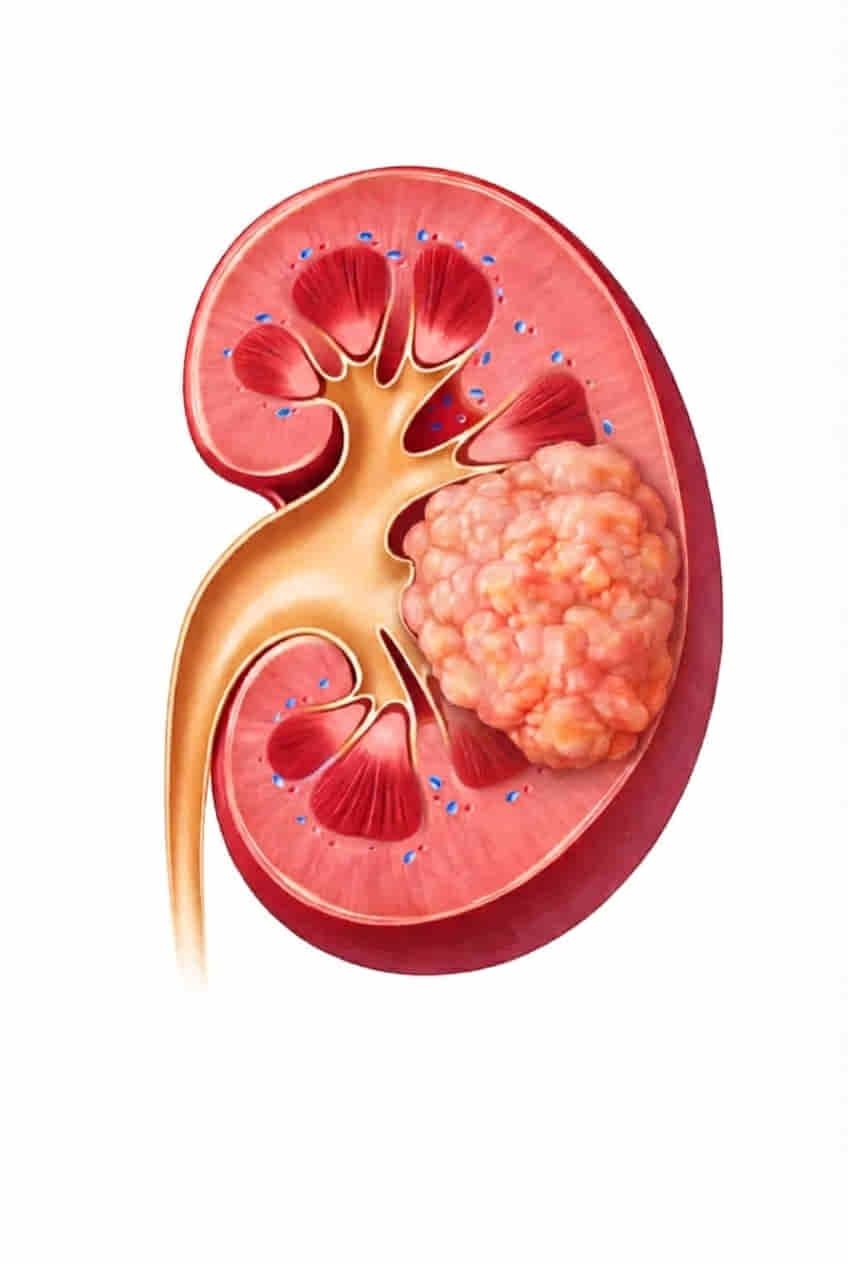
Some kidney tumors are large, highly vascular, or cause significant bleeding, making surgery more complex, Preoperative embolization is a minimally invasive, image-guided procedure performed before nephrectomy to block the tumor’s blood supply.
Renal Cancer: Preoperative Embolization

Globally recognized innovator, Dr. Ram K Gurajala MD, leads the frontier with patented technologies, 40+ pioneering publications, and breakthroughs that redefine vascular care for patients in Hyderabad, Chennai, and across India.





Shrinks Tumors – Reduces Surgical Bleeding – Safer Procedures – Faster Recovery – Shrinks Tumors – Reduces Surgical Bleeding – Safer Procedures – Faster Recovery –
🩺 What Is Preoperative Embolization?
- Renal cancer, also known as kidney cancer, often requires surgical removal of the affected kidney (nephrectomy).
- Some kidney tumors are large, highly vascular, or cause significant bleeding, making surgery more complex.
- Preoperative embolization is a minimally invasive, image-guided procedure performed before nephrectomy to block the tumor’s blood supply.
- By reducing blood flow, embolization lowers surgical bleeding, improves tumor removal, and enhances safety, and can also provide symptom relief in selected non-surgical patients.

🔬 What Is Preoperative Embolization?
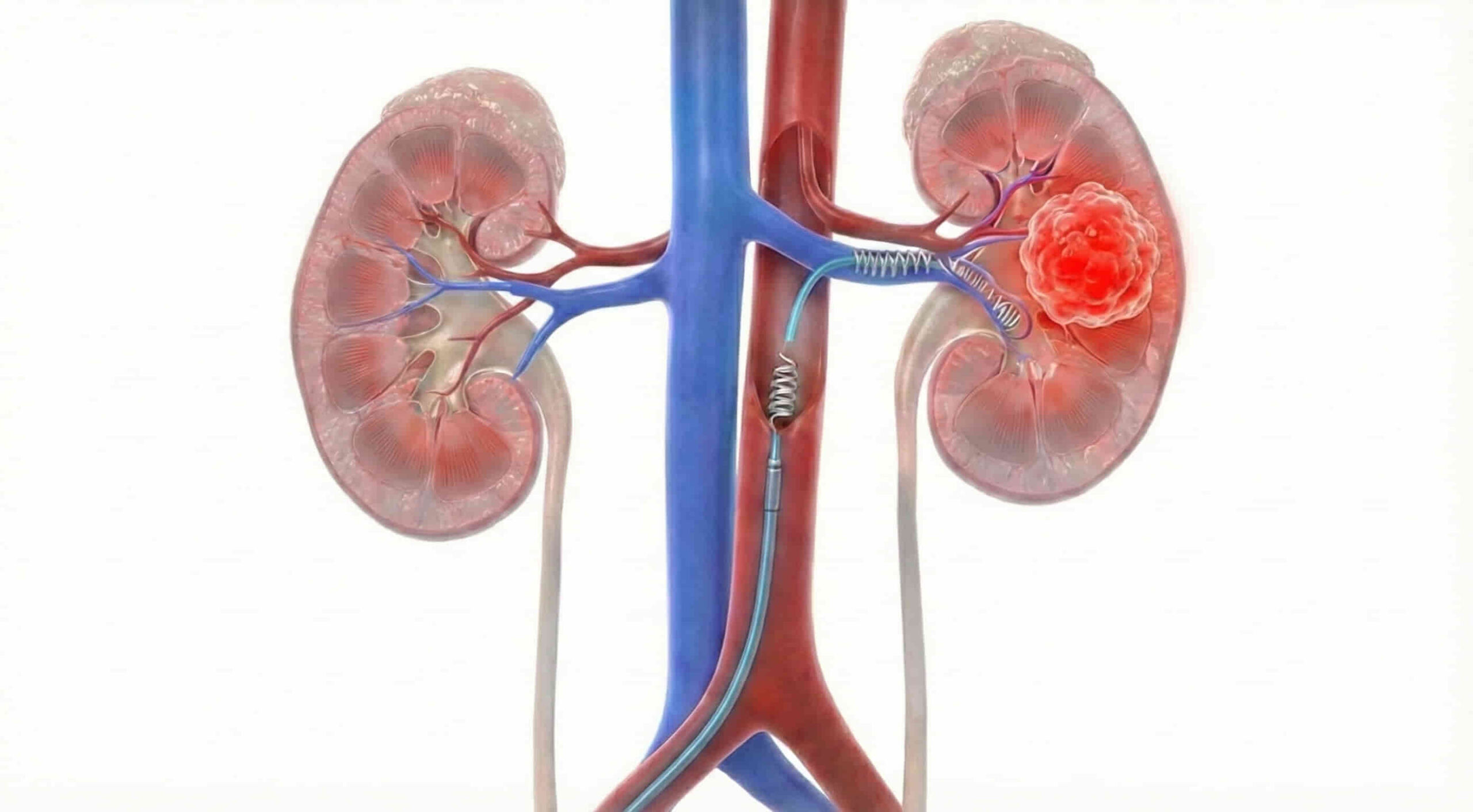
Preoperative embolization is an image-guided interventional radiology technique. It uses catheters and embolic agents (such as particles, coils, or glue) to selectively block the renal arteries feeding the tumor. By cutting off blood flow, the tumor shrinks and becomes easier to remove surgically.
🎯 Why Is It Done?
- Reduce intraoperative bleeding: By limiting blood supply, surgeons face less blood loss during nephrectomy.
- Improve visualization: A devascularized tumor is easier to dissect and remove.
- Palliative care: In patients not eligible for surgery, embolization can reduce pain, hematuria (blood in urine), and other symptoms.
🧪 How the Procedure Works
- Access: A small incision is made in the groin or wrist to insert a catheter.
- Imaging: Angiography maps the renal arteries supplying the tumor.
- Embolization: Embolic agents are delivered to block blood flow.
- Outcome: The tumor is devascularized, reducing bleeding risk during surgery.
✅ Effectiveness and Recovery
Proven Benefits:
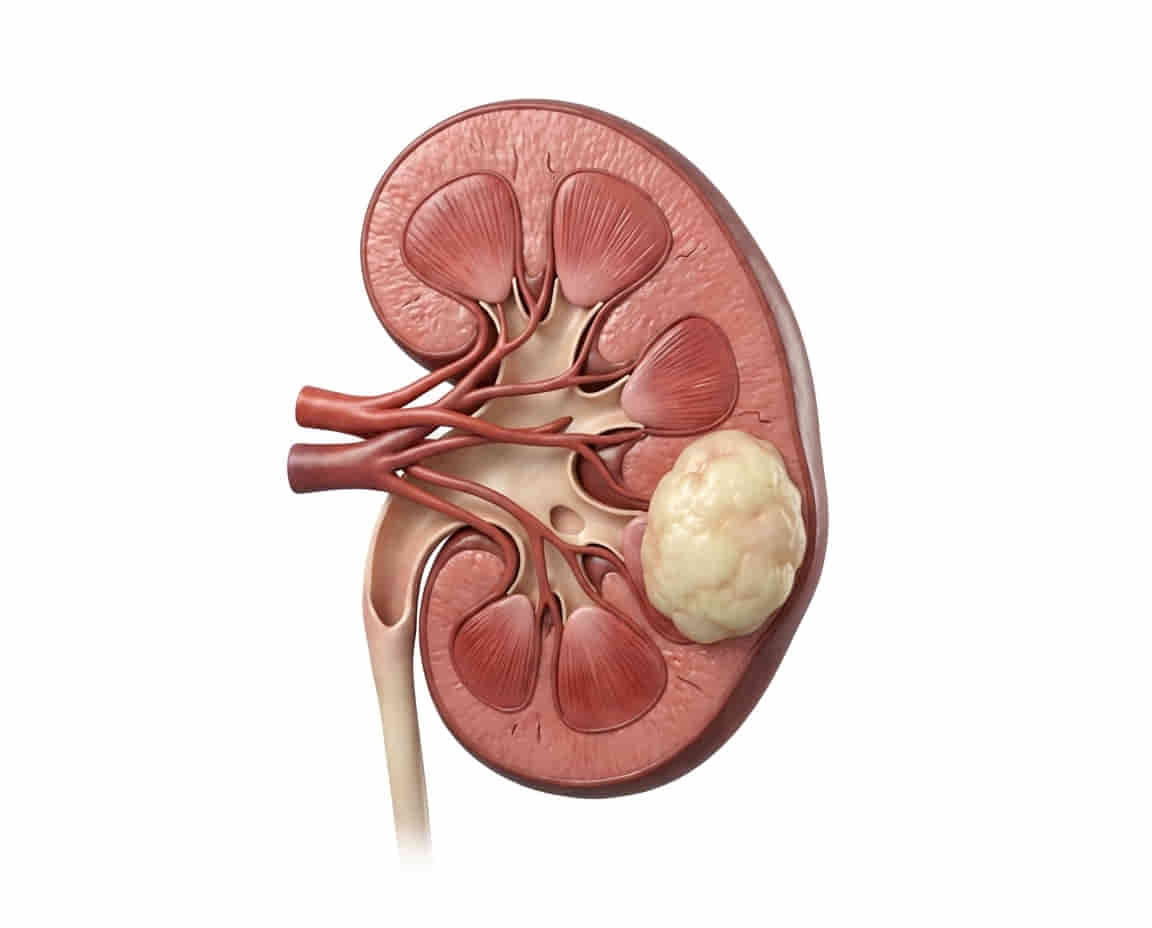
- Patients with large or highly vascular renal tumors.
- Individuals with renal cell carcinoma requiring nephrectomy.
- Patients with hematuria or pain who are not surgical candidates.

Recovery Timeline:
- Post-embolization syndrome (fever, pain, nausea).
- Rare risks: non-target embolization, infection, or vessel injury.
- Requires expertise in renal artery anatomy for safe and effective results.

Shrinks Tumors – Reduces Surgical Bleeding – Safer Procedures – Faster Recovery – Shrinks Tumors – Reduces Surgical Bleeding – Safer Procedures – Faster Recovery –

Facing renal cancer surgery? Consult an Interventional Radiologist about Preoperative Embolization—the "no-cut" step to reduce risk and secure your recovery.
When I was diagnosed with a small mass on my kidney, I was terrified of losing the whole organ. Dr. Ram Kishore explained that we could ‘freeze’ it away. I was amazed that the whole procedure was done through a few tiny needles. I went home the next day with almost no pain, and my follow-up scans show the cancer is gone. I’m back to my normal life in Chennai with my kidney function perfectly intact.
— Kalsan R
Hyderabad

It emphasizes that this is for when "others say it's impossible."
Secure your renal surgery. Ask an Interventional Radiologist if preoperative embolization is right for you.
Move beyond the fear of losing a kidney. Consult Dr. Ram Kishore Gurajala for modern Renal Cryoablation : Preoperative Embolization —a precise, no-cut solution that saves your organ and restores your peace of mind when others say it’s impossible.
-
Advanced treatments
-
Personalized approach
-
Compassionate comfort
Common questions
Frequently asked questions about Renal Cancer: Preoperative Embolization
❓ What is preoperative embolization for renal cancer?
Renal Cancer: Preoperative Embolization is a specialized "pre-surgery" procedure where the blood supply to a kidney tumor is intentionally blocked. Think of it as "starving" the cancer before a surgeon ever makes a cut.
Here is how it works and why it is used:
1. How it Works
Using a thin catheter inserted through a tiny "pinhole" in the groin or wrist, Dr. Ram Kishore Gurajala navigates to the specific artery feeding the tumor. Small particles or coils are released to plug that vessel, cutting off the tumor's oxygen and nutrient supply.
2. Why it is Done
Reduces Blood Loss: By "turning off the tap" before surgery, there is significantly less bleeding during the actual tumor removal.
Shrinks the Tumor: Depriving the cancer of blood can cause it to shrink, making it easier and safer for the surgeon to remove.
Shortens Surgery Time: A "dryer" surgical field allows the surgeon to work faster and with more precision, often leading to better outcomes.
Reduces Cancer Spread: It can help prevent cancer cells from breaking off and entering the bloodstream during the operation.
3. Summary for Patients
It is a minimally invasive step performed 24 to 48 hours before your main surgery. It acts as a protective "shield," making your upcoming operation safer and more effective.
❓ Who is a candidate for this procedure?
Patients with large or highly vascular renal tumors, those undergoing nephrectomy, or patients needing symptom relief when surgery is not an option.
❓ What are the risks involved?
Common risks include post-embolization syndrome (fever, pain, nausea). Rare complications may include infection or damage to nearby vessels.
❓ How effective is preoperative embolization?
It significantly reduces blood loss during surgery and improves the precision of tumor removal.
❓ Is this procedure available in India?
Move beyond the uncertainty of complex surgery. Our hospitals in Hyderabad and Chennai feature the most advanced, high-definition imaging equipment for Renal Cancer: Preoperative Embolization. This precise, "no-cut" solution is designed to "starve" the tumor by blocking its blood supply through a tiny pinhole access. By choosing this advanced preparatory step, you significantly reduce surgical risks, minimize blood loss, and allow for a more precise, faster recovery when others say the case is too difficult.
❓ How to prepare for Renal Cancer : Preoperative Embolization
Medication Review: Inform your specialist about all current medications. Blood thinners (like Aspirin or Warfarin) typically need to be stopped 5 to 7 days prior.
Fasting: Do not eat or drink anything after midnight the night before your procedure (NPO).
Medical Tests: Complete required blood work (kidney function and clotting tests) and imaging as scheduled.
Allergy Check: Notify the team if you have any known allergies, especially to contrast dye or iodine.
Logistics: Arrange for a family member or friend to drive you home and stay with you for the first 24 hours.
❓ Is Preoperative Embolization a replacement for my kidney surgery?
No, it is a supportive "safety" procedure performed 24 to 48 hours before your main surgery. Think of it as preparing the tumor for removal; by blocking the blood supply first, we make the actual surgery much safer, reduce the risk of heavy bleeding, and help your surgeon preserve as much healthy kidney tissue as possible. It is a strategic step to ensure the best possible outcome for your recovery.