Introduction
When patients are diagnosed with conditions such as tumors, blocked arteries, or uterine fibroids, many assume that major surgery is the only solution. Today, medical advancements offer safer and more efficient alternatives that reduce pain and speed up recovery.
Understanding Interventional Radiology vs Open Surgery helps patients make informed healthcare decisions. While traditional surgery has long been the standard, modern techniques now focus on precision and minimal disruption to the body. As a result, many individuals experience shorter hospital stays, fewer complications, and quicker return to daily life.
This guide explains the differences, highlights key treatment options, and helps you choose the most suitable approach.
Interventional Radiology vs Open Surgery: What Is the Difference?
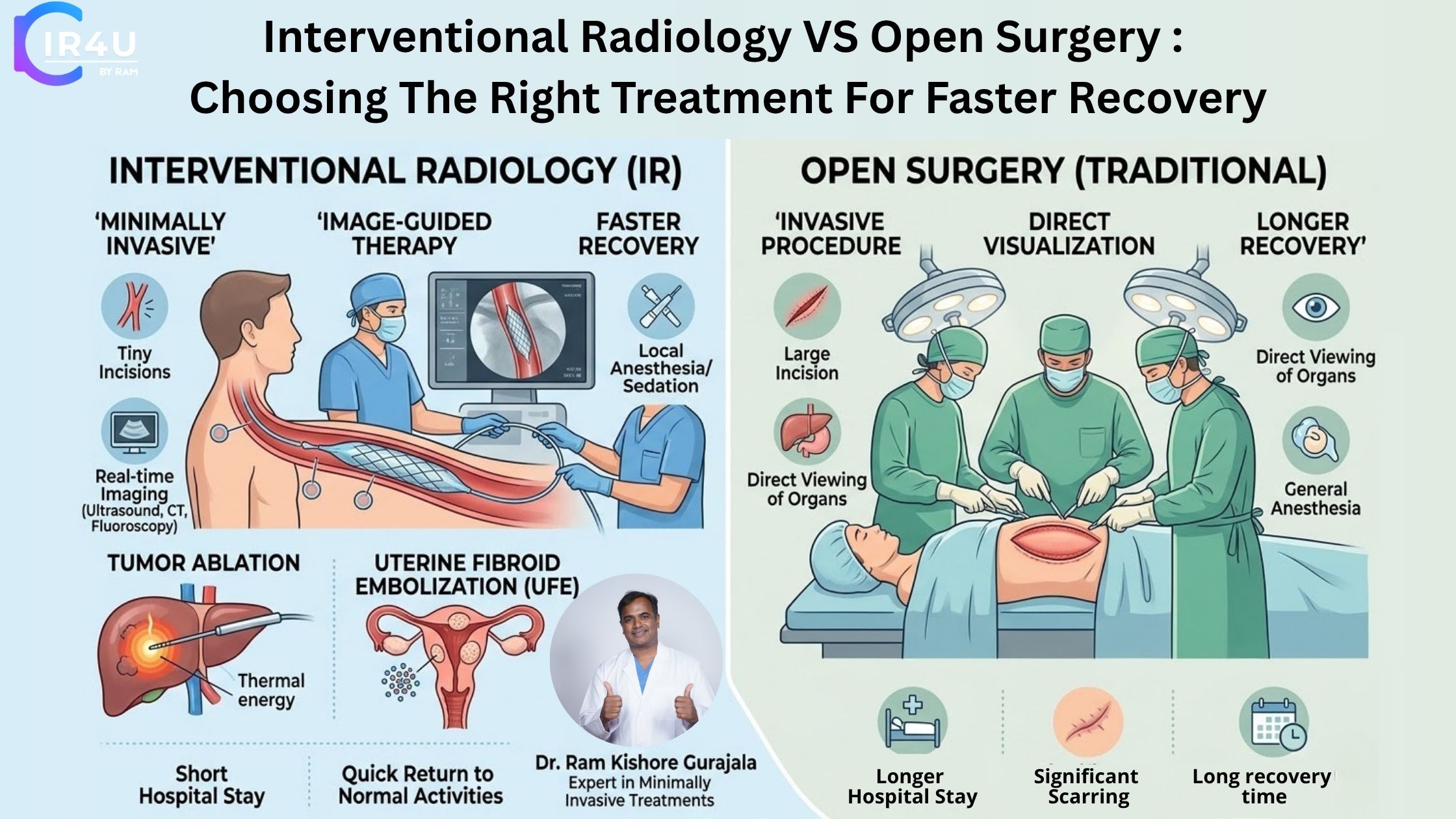
Interventional radiology is a medical specialty that uses image-guided therapy to diagnose and treat diseases Interventional radiology is a specialized field that uses image-guided therapy to diagnose and treat diseases through tiny skin punctures rather than large incisions. Using tools like catheters and needles, doctors precisely target affected areas with the help of imaging technologies such as ultrasound and CT scans.
In contrast, open surgery requires a large incision to directly access organs or tissues. Because of this, recovery tends to be longer and more physically demanding.
Key Benefits of Interventional Radiology
- Less pain and discomfort
- Minimal scarring
- Lower risk of complications
- Faster recovery time
Although open surgery remains necessary in complex cases, many procedures can now be performed using minimally invasive techniques.
Minimally Invasive Surgery: The Broader Category
Minimally invasive surgery includes a range of procedures designed to treat conditions with smaller incisions and reduced tissue damage.
Common Types Include
- Laparoscopic surgery
- Endoscopic procedures
- Interventional radiology treatments
Among these, interventional radiology stands out as the least invasive because it relies heavily on imaging rather than traditional surgical methods.
Image-Guided Therapy: Precision Treatment
A Image-Guided Therapy: The Precision Advantage
A major strength of interventional radiology is image-guided therapy, which allows real-time visualization inside the body during treatment.
Technologies Used
- Ultrasound
- CT scans
- Fluoroscopy
- MRI
This precision ensures accurate targeting of diseased areas while protecting surrounding healthy tissues, leading to better outcomes and fewer complications.
Tumor Ablation: The Leading Oncology Treatment
Tumor ablation is one of the most advanced applications of interventional radiology. It destroys tumors without the need for open surgery.
How It Works
A thin probe is inserted into the tumor, and energy (heat or cold) is used to destroy cancer cells.
Types of Tumor Ablation
- Radiofrequency ablation
- Microwave ablation
- Cryoablation
Commonly Treated Conditions
- Liver tumors
- Kidney tumors
- Lung tumors
- Bone tumors
For many patients, this method offers effective cancer treatment with minimal recovery time.
Vascular Stenting: The Most Common Procedure
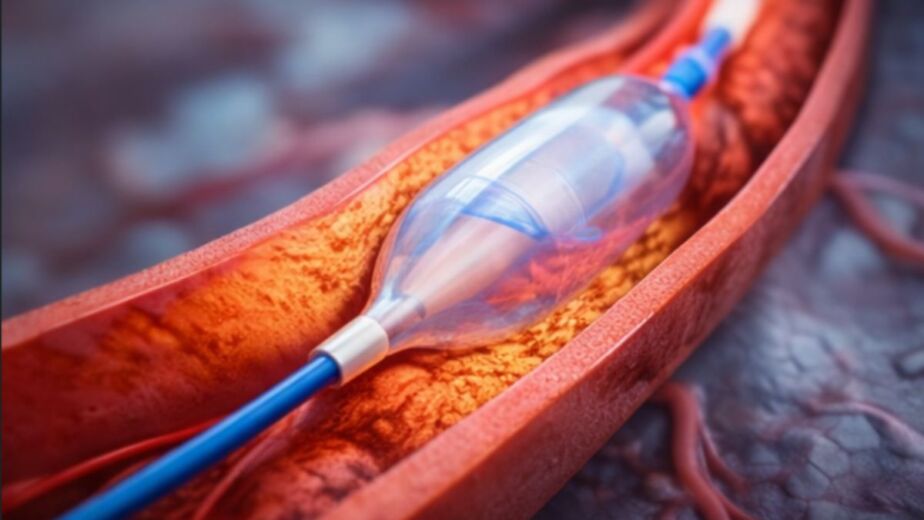
Vascular stenting is widely used to restore blood flow in narrowed or blocked arteries.
Procedure Overview
- A catheter is inserted into the blood vessel
- A balloon may expand the artery
- A stent is placed to keep it open
Conditions Treated
- Peripheral artery disease
- Blocked arteries
- Circulation issues
This minimally invasive procedure often allows patients to return home the same day.
Recovery Time for Minimally Invasive vs Traditional Surgery
After Interventional Radiology
- Often outpatient procedures
- Same-day discharge
- Minimal pain
- Recovery within days
After Open Surgery
- Longer hospital stays
- Larger wounds
- Recovery may take weeks or months
- Higher complication risk
Because of these differences, many patients prefer minimally invasive treatment whenever possible.
Outpatient Alternatives to Major Surgery for Chronic Pain
Interventional radiology provides effective outpatient alternatives for managing chronic pain conditions.
Available Treatments
- Targeted pain injections
- Nerve blocks
- Vertebral augmentation
- Tumor ablation for pain relief
These procedures are quick, require minimal recovery time, and reduce the need for hospitalization.
Interventional Radiology vs Open Surgery for Uterine Fibroids
Uterine fibroids can cause significant discomfort and affect quality of life.
Common Symptoms
- Heavy menstrual bleeding
- Pelvic pain
- Frequent urination
- Fertility concerns
Traditional treatments include major surgeries like hysterectomy. However, interventional radiology offers Uterine Fibroid Embolization (UFE) as a minimally invasive alternative.
Procedure Steps
- A catheter is inserted into the uterine artery
- Tiny particles block blood supply to fibroids
- Fibroids shrink over time
Benefits
- No large incision
- Faster recovery
- Short hospital stay
- Uterus preservation
This makes it a preferred option for many women seeking non-surgical treatment.
Who Can Benefit from Interventional Radiology?
This approach is ideal for patients who:
- Prefer non-surgical treatments
- Have higher surgical risks
- Want faster recovery
- Need tumor ablation
- Require vascular stenting
A specialist consultation helps determine the best treatment option.
Who Can Benefit from Interventional Radiology?
Patients who may benefit from interventional radiology include those who:
- Prefer non-surgical treatment options
- Have medical conditions that increase surgical risks
- Want faster recovery times
- Have tumors that can be treated with ablation
- Have blocked blood vessels requiring stenting
A specialist evaluation can determine whether minimally invasive treatment is suitable for a particular patient.
Why Choose Dr. Ram Kishore Gurajala?
Dr. Ram Kishore Gurajala is an experienced Interventional Radiologist specializing in minimally invasive treatments for complex medical conditions.
Using advanced imaging technologies and modern techniques, he provides targeted treatments that help patients experience:
- Reduced surgical risks
- Faster recovery times
- Less pain and discomfort
- Precise treatment outcomes
These advanced procedures allow many patients to receive effective treatment without undergoing major surgery.
Frequently Asked Questions
Is interventional radiology safer than open surgery?
For many conditions, it is safer due to fewer complications and faster recovery.
How long is recovery after minimally invasive procedures?Can tumors be treated without surgery?
Many patients return to normal activities within a few days, compared to several weeks for traditional surgery.
Can tumors be treated without surgery?
Yes, tumor ablation can destroy tumors without open surgery.
Is vascular stenting a major surgery?
No, it is a minimally invasive procedure.
Can uterine fibroids be treated without surgery?
Yes, UFE is an effective non-surgical option.
Conclusion
Choosing between Interventional Radiology vs Open Surgery depends on the patient’s condition, overall health, and the type of treatment required. While traditional surgery remains important in certain cases, advances in interventional radiology have made it possible to treat many diseases using minimally invasive techniques. For patients seeking safer treatments, shorter hospital stays, and faster recovery, interventional radiology can often provide an effective alternative to major surgery. Consulting a specialist can help determine whether Interventional Radiology vs Open Surgery is the best option for your specific medical condition.