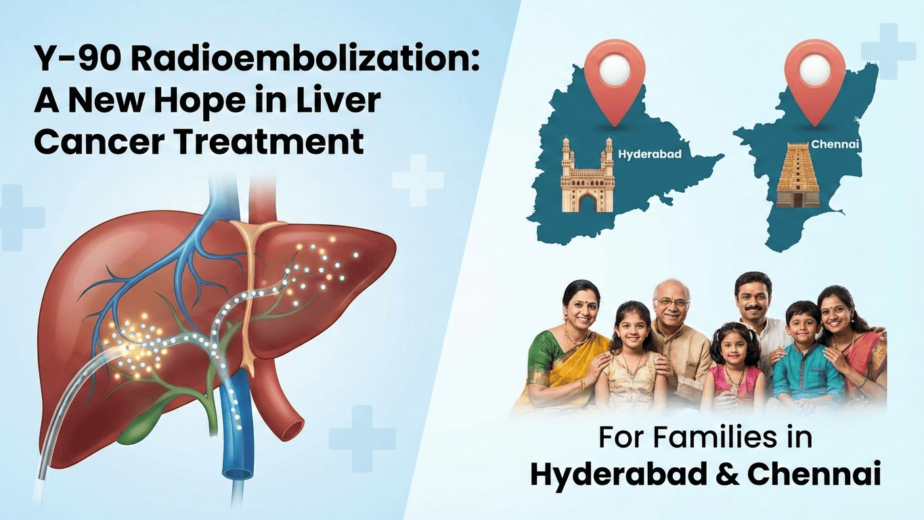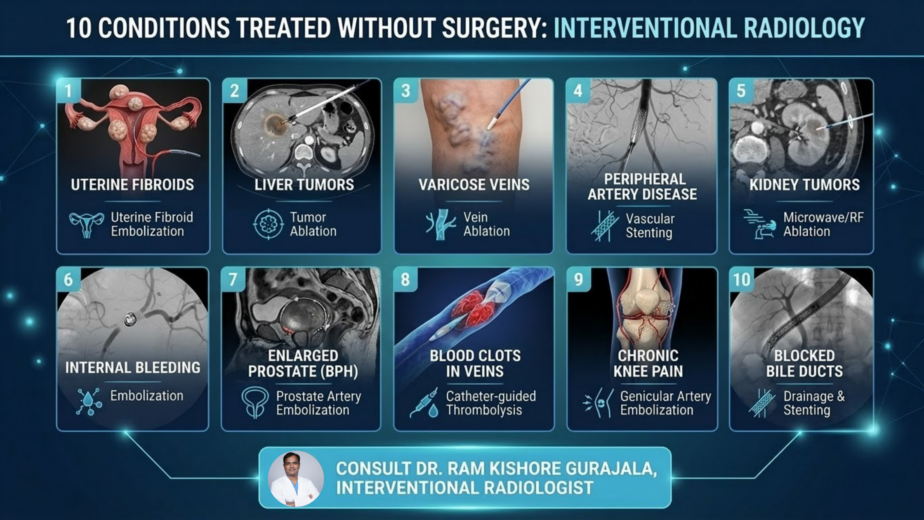
Healthcare in India is changing quickly, and patients now want more than just surgery. For a lot of people, non-surgical treatment isn’t simply a medical choice; it’s a way of life that cuts down on pain, hospital visits, and costs. This is where interventional radiology comes in. It uses technology and compassion to help people in a new way. This is like interventional radiology: a survival guide for patients and their families who wish to get better without having to go through the pain of open surgery.
What Sets Non-Surgical Doctors Apart?
Unlike traditional surgeons, non-surgical doctors interventional radiologists employ imaging guidance to accomplish procedures through small cuts. These minimally invasive procedures are accurate, successful, and often take much less time than traditional surgery. Patients benefit from:
- Less pain and scars
- A quicker recovery at home
- A lower risk of complications
This makes non-surgical doctors vital in India’s healthcare system, offering hope to patients who want advanced care without the trauma of open surgery.
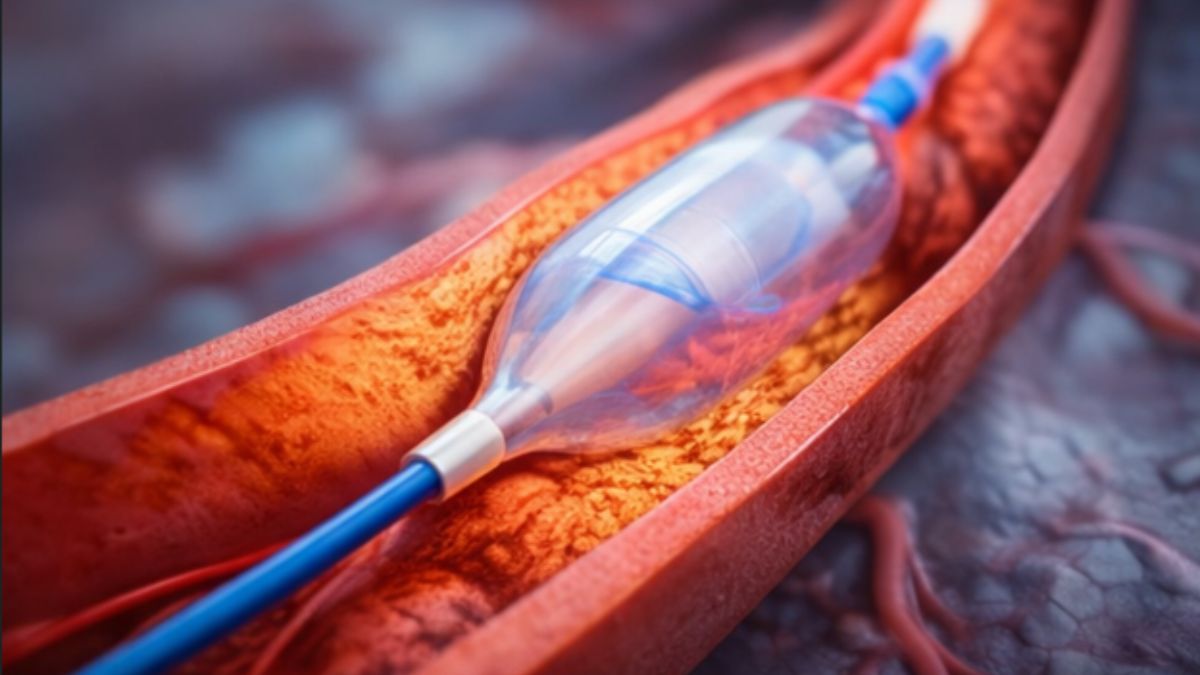
How Long Does Interventional Radiology Take?
Patients often inquire, “How long does interventional radiology take?” The length of the therapy depends on the type of procedure, but most last between 30 minutes and 2 hours. Compared to open surgery, this is far shorter, and patients usually go home the same day. For families in India, knowing how long interventional radiology takes provides reassurance—it means less disruption to daily life and quicker return to normal routines.
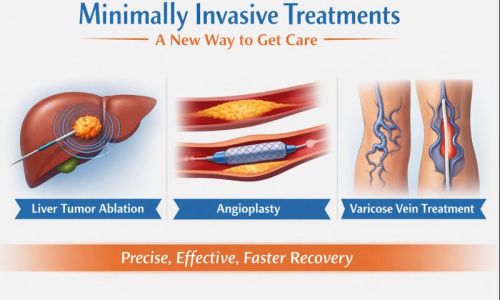
Minimally Invasive Treatments: A New Way to Get Care
Minimally invasive treatments are transforming the way people heal, from treating liver cancer to vascular procedures. These minimal invasive therapies are designed to go straight to the problem without harming healthy tissue. For instance:
- Tumor ablation for liver cancer
- Angioplasty for obstructed arteries
- Treatments for varicose veins
Each of these minimally invasive treatments reflects how modern medicine can cure with care and accuracy, offering patients faster recovery and better outcomes.

The Family That Cares: Why Help Is Important
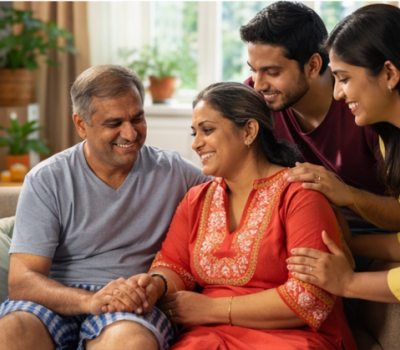
In India, recovery isn’t only about the patient—it’s also about the family that cares. Minimally invasive care allows loved ones to play a bigger role in recuperation at home. With shorter hospital stays and less physical strain, families can provide emotional and practical support without feeling overwhelmed. This cultural strength of caregiving shows why the family that cares is central to healing in India and why interventional radiology fits perfectly into this context.
Final Thoughts:
Interventional radiology: a survival guide is more than a phrase—it’s a reality for Indian patients. By focusing on non-surgical treatments, trusting non-surgical doctors, and embracing minimally invasive procedures, patients can expect faster healing and better results. And with the support of the family that cares, recovery becomes not just medical, but deeply human.