
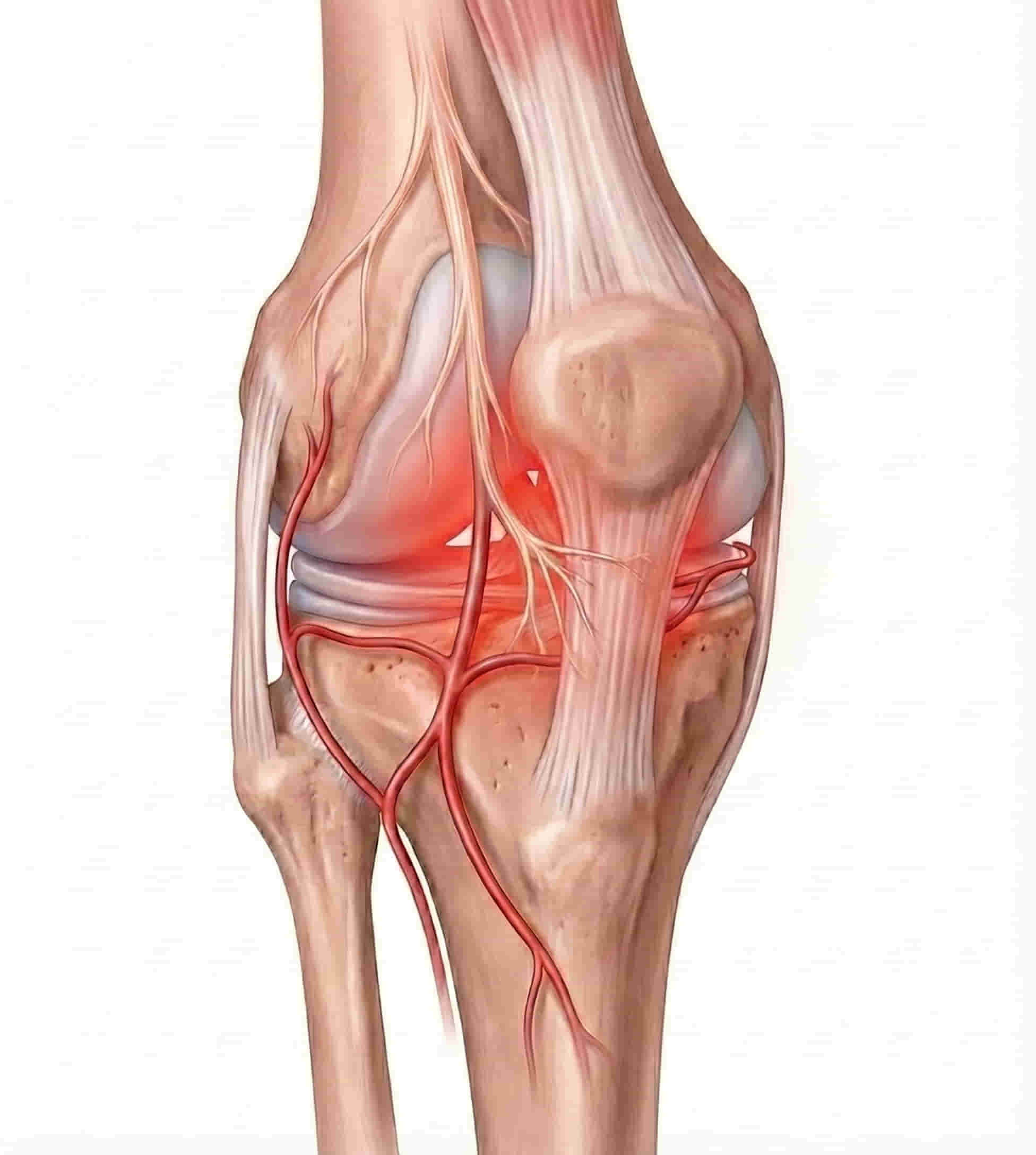
Genicular Nerve Ablation
- If chronic knee pain limits your daily life and conservative treatments like therapy or injections haven’t helped, Genicular Nerve Ablation (GNA)—offers a minimally invasive, non-surgical solution. By precisely “turning off” the nerves that transmit pain signals from the knee, patients can enjoy lasting relief and improved mobility without a joint replacement.
- Performed under image guidance, these procedures are quick, outpatient, and allow most patients to walk out and resume daily activities the same day. Pain relief typically lasts 6–12 months, and procedures can be safely repeated if needed.

Globally recognized innovator, Dr. Ram K Gurajala MD, leads the frontier with patented technologies, 40+ pioneering publications, and breakthroughs that redefine cancer and vascular care.





Precision pain relief – No incisions – Minimally invasive – Rapid recovery – Precision pain relief – No incisions – Minimally invasive – Rapid recovery
🩺 What Is Genicular Nerve Ablation?
Using thermal energy (Radiofrequency Ablation (RFA) or cold energy (Cryoablation), to “turn off” the specific nerves responsible for transmitting pain signals from the knee joint to the brain. By interrupting these signals, patients can experience long-term pain relief and improved mobility without the need for invasive joint replacement.

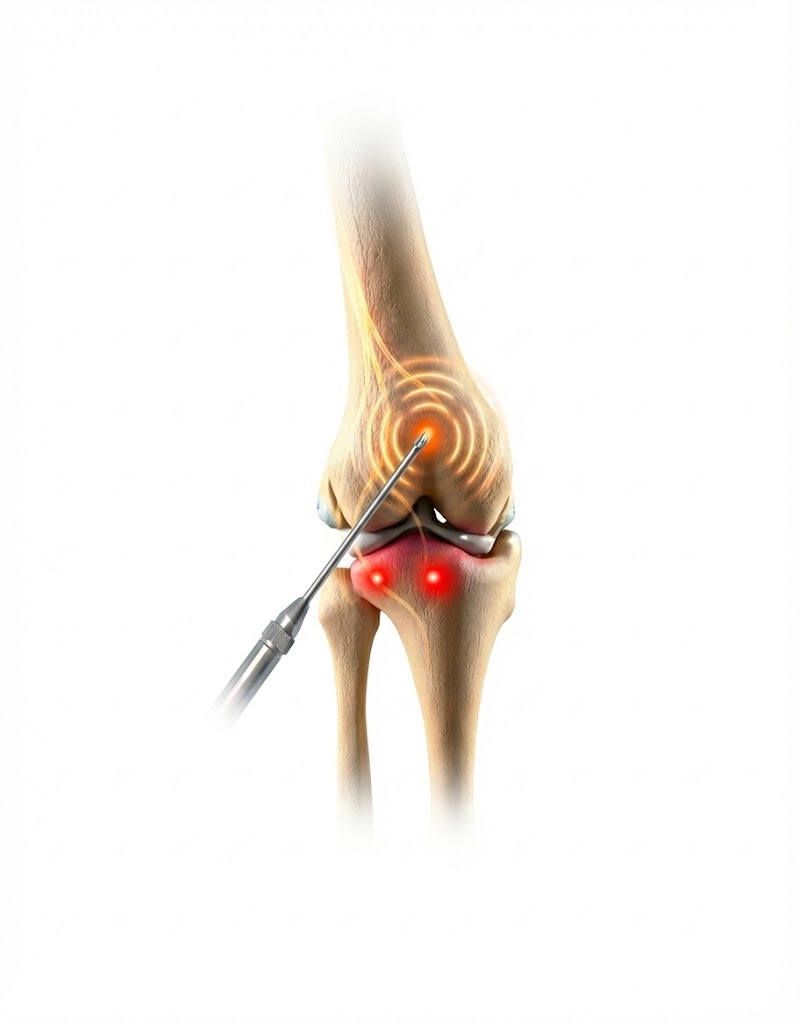
🎯 How It Works: Silencing Pain Signals
The procedure is performed in two precise stages to ensure the best possible outcome:
- The Diagnostic Block: To confirm that the genicular nerves are the primary source of your pain, a small amount of local anesthetic is injected near the nerves. If you experience significant temporary relief, you are a candidate for the ablation.
- Image Guidance: Using real-time X-ray (fluoroscopy), Dr. Ram precisely positions specialized needles near the sensory nerves of the knee.
- Thermal/Cold Ablation: A small amount of radiofrequency/cold energy is passed through the needle, creating a heat/ice lesion on the nerve.
- Signal Interruption: This “stuns” the nerve, preventing it from sending pain messages. The nerve remains intact, but its ability to transmit pain is deactivated.
- Immediate Recovery: The procedure takes about 30–45 minutes, and patients can typically walk out of the clinic immediately after.
👥 Who Is a Candidate for Nerve Ablation?
Genicular Nerve Ablation is highly effective for:
- Severe Osteoarthritis: Patients with persistent pain despite conservative treatments.
- Post-Knee Replacement Pain: Individuals who still experience chronic pain after a successful total knee replacement (TKR).
- Surgery Avoidance: Those who wish to delay or avoid a major surgical procedure.
- Medically Complex Patients: Individuals who are not fit for general anesthesia or invasive surgery due to other health conditions.
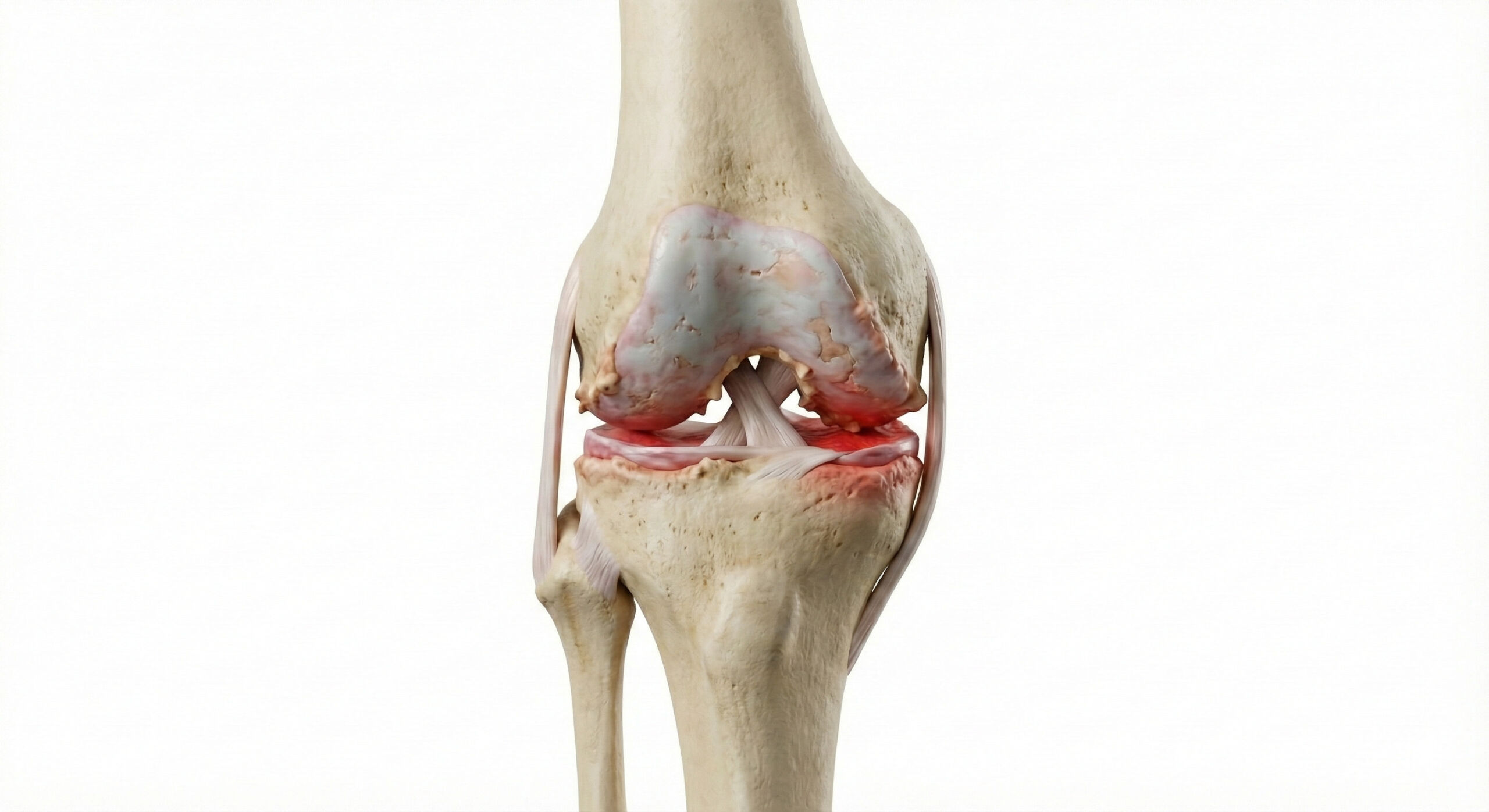
✅ Effectiveness and Recovery
Proven Benefits:
- Durable Relief: Pain relief typically lasts 6 to 12 months, and in many cases, even longer.
- Minimal Down-Time: Most patients return to normal daily activities within 24–48 hours.
- High Safety Profile: Because there is no surgery or general anesthesia, the risk of infection or complications is extremely low.
- Repeatable: If the nerve eventually regenerates and pain returns, the procedure can be safely repeated.

Recovery Timeline:
Patients are typically observed for 30–60 minutes to monitor the knee and ensure they can walk safely before discharge.
There may be a “sunburn-like” sensation or soreness around the knee injection sites for a few days (often called a “pain flare”).
Most patients in Hyderabad and Chennai return to light activities within 24 hours.
Precision pain relief – No incisions – Minimally invasive – Rapid recovery – Precision pain relief – No incisions – Minimally invasive – Rapid recovery

I had reached a point where even walking to the car was an ordeal. My doctor said I wasn’t ready for a full knee replacement yet, but the pain was constant. Dr. Ram performed the nerve ablation, and the difference was night and day. Within a week, that sharp, grinding pain was gone. I’m finally back to my morning walks at the park in Hyderabad. It feels like a weight has been lifted.
- Lakshmi N
Hyderabad

The one-hour bridge that carries you comfortably to your future surgery date
It’s a lifeline for patients dreading stairs and a lifestyle limited by osteoarthritis
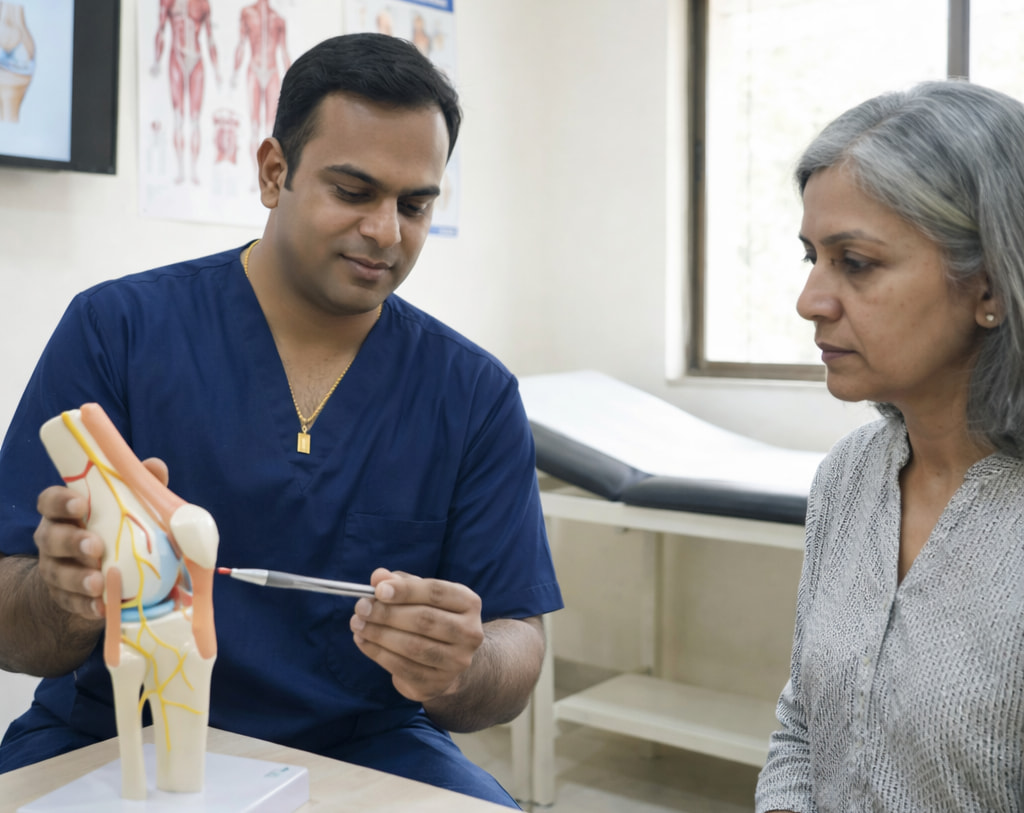
If you or a loved one in Hyderabad or Chennai is suffering from chronic knee pain and exploring alternatives to knee replacement surgery, consult Dr. Ram Kishore Gurajala at ir4ubyram to see if Genicular Nerve Ablation could be the solution.
-
Advanced treatments
-
Personalized approach
-
Compassionate comfort
Common questions
Frequently asked questions about Genicular Nerve Ablation
❓ What exactly is Genicular Nerve Ablation?
It is a non-surgical procedure that "turns off" the pain signals coming from your knee. It uses heat (radiofrequency energy) to treat the specific nerves causing your pain, stopping them from sending "ouch" messages to your brain.
❓ Will I lose feeling in my leg?
No. Genicular nerve ablation only targets the sensory nerves that carry pain signals from the joint. It does not affect the motor nerves that control your muscles or the primary nerves responsible for the skin's sensation on your leg.
❓ How long does the relief last?
While every patient is different, most experience significant pain reduction for 6 to 18 months. Nerves do eventually grow back, but if the pain returns, the procedure can be performed again.
❓ Is the procedure painful?
We use local anesthesia to numb the area before the needles are inserted. You may feel a brief sensation of pressure or warmth during the ablation, but the procedure is generally very well-tolerated.
❓ How is this different from a steroid injection?
Steroid injections reduce inflammation temporarily and usually last only a few weeks or months. Nerve ablation physically interrupts the pain pathway, providing much longer-lasting relief for chronic, degenerative conditions.
❓ Can I have both knees done at the same time?
Yes. This is called a bilateral procedure. Since it is non-surgical and requires very little recovery, many patients choose to treat both knees in one visit to save time.
❓ Do I need to fast (stop eating) beforehand?
Usually, yes. Since you may receive light sedation to help you relax, doctors typically ask you not to eat solid food for 6 hours before the procedure. You can usually drink clear liquids (water, black coffee) up to 2 hours before.
❓ I have diabetes. Is this safe?
Steroid injections reduce inflammation temporarily and usually last only a few weeks or months. Nerve ablation physically interrupts the pain pathway, providing much longer-lasting relief for chronic, degenerative conditions.