
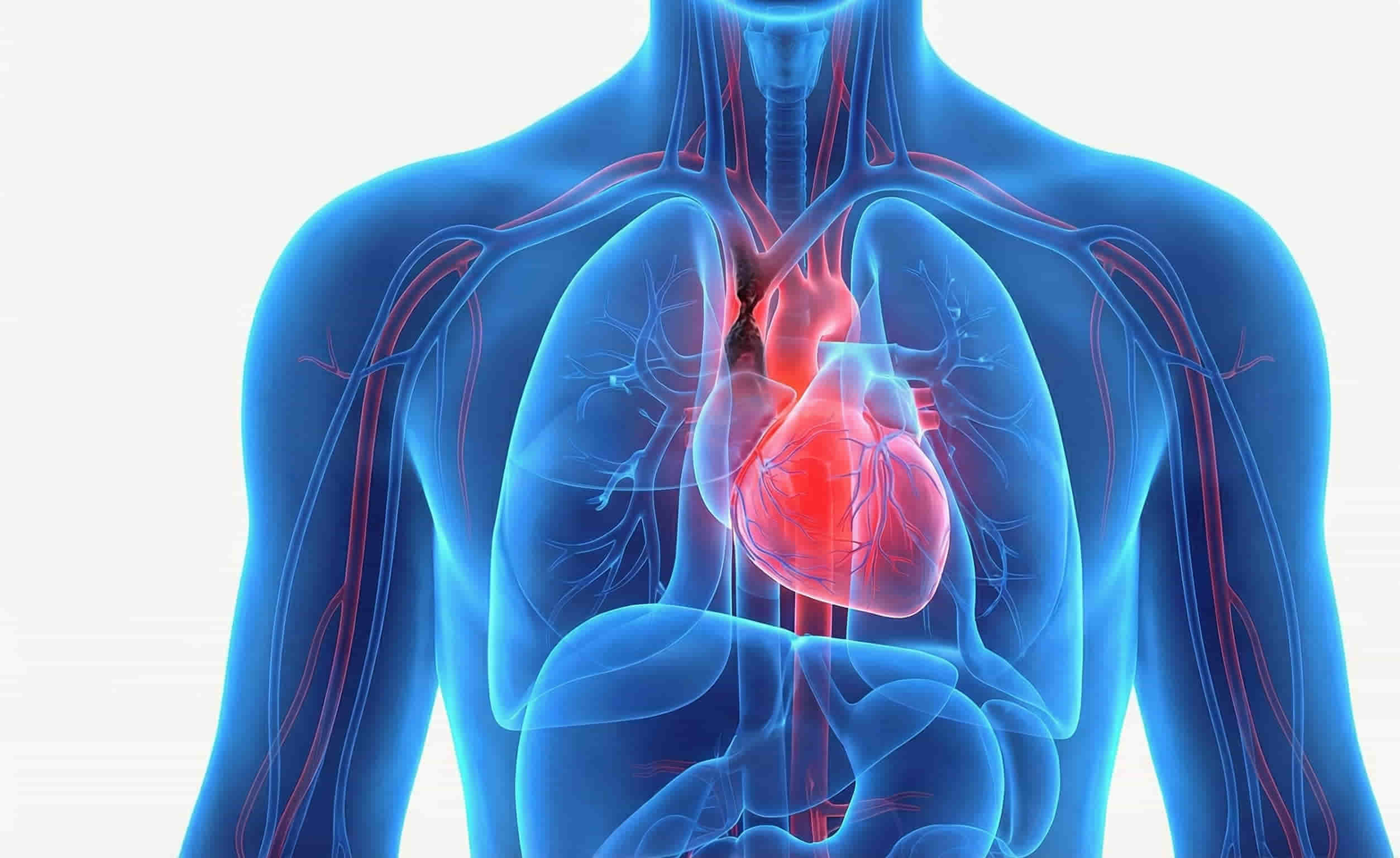
Central Vein Recanalization
Restoring Blocked Veins. Restoring a Lifeline.
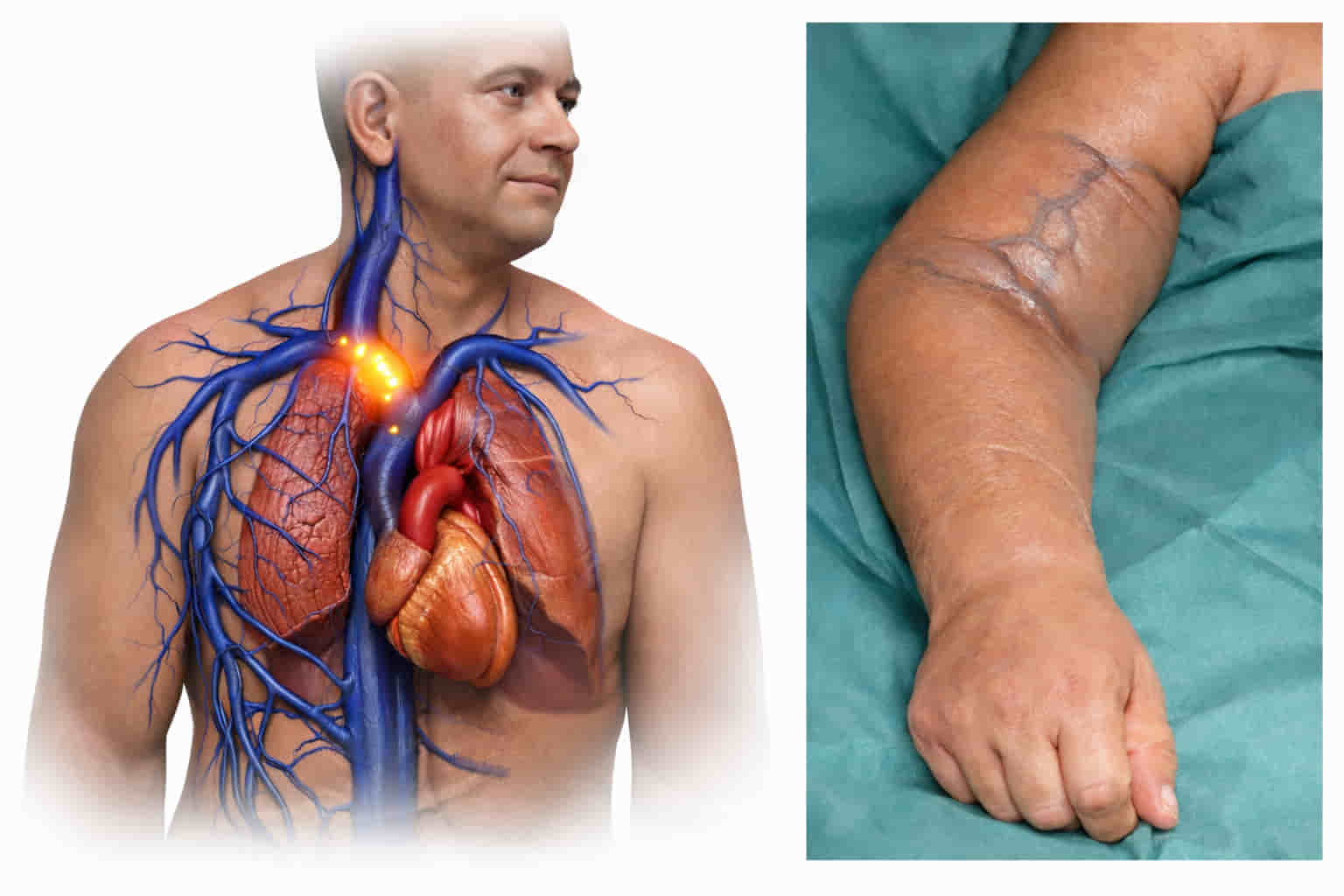
- When major veins in the chest or neck become blocked, the effects can be frightening—and serious. Severe arm swelling, puffiness of the face, headaches, and failing dialysis access are not just uncomfortable symptoms; they can threaten your ability to receive life-sustaining treatment.
- Central Vein Recanalization is a highly specialized, minimally invasive procedure designed to reopen blocked central veins and restore normal blood flow.
- These blockages most often develop after long-term use of dialysis catheters, pacemakers, or chemotherapy ports. Scar tissue slowly closes the vein, sometimes completely. Many patients are told they have “no veins left” or that nothing more can be done.
- That’s where advanced interventional radiology can help.
Globally recognized innovator, Dr. Ram K Gurajala MD, leads the frontier with patented technologies, 40+ pioneering publications, and breakthroughs that redefine cancer and vascular care.




Restoring blocked veins – Lifeline for dialysis – Minimally invasive – Expert IR care in India – Restoring blocked veins – Lifeline for dialysis – Minimally invasive – Expert IR care in India
🩺 What is Central Vein Recanalization?
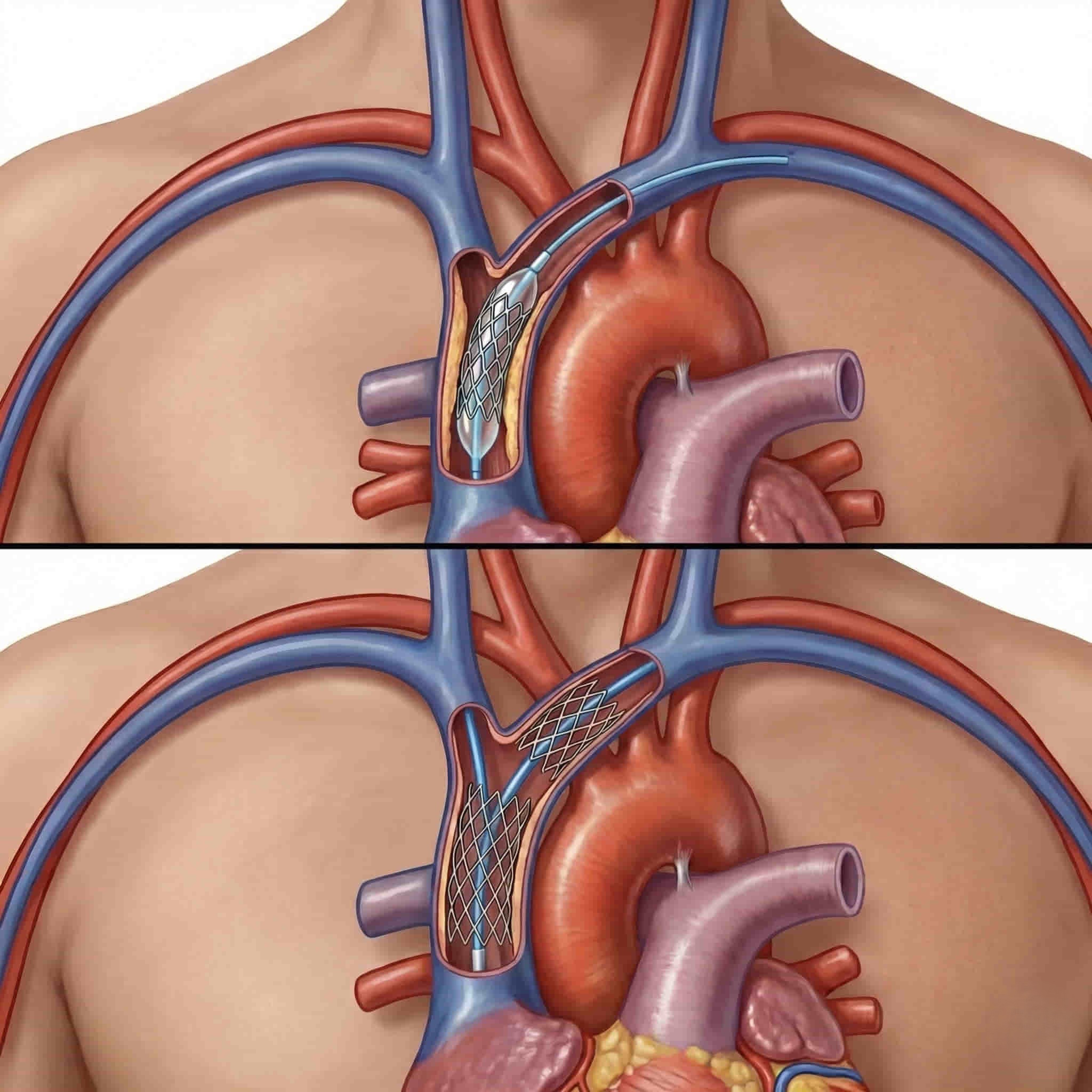
Central Vein Recanalization is a highly specialized interventional radiology procedure used to “reopen” these blocked channels. Using advanced imaging and micro tools are navigated through the blockage to restore normal blood flow, often providing a critical “lifeline” to patients who have been told they have no remaining venous access.
🎯 How It Works: Reopening the Path
This procedure requires a high level of technical expertise and is performed in our specialized suites in Hyderabad and Chennai:
- Vascular Mapping: High-definition venography is used to identify the exact location and length of the blockage.
- Crossing the Blockage: Using specialized wires and catheters—and in some cases, “sharp recanalization” techniques—Dr. Ram carefully creates a path through the scar tissue of the blocked vein.
- Balloon Angioplasty: A high-pressure medical balloon is inflated to widen the newly opened channel.
- Stent Placement: In many cases, a medical-grade metal stent is placed to act as a “scaffold,” keeping the vein open and preventing it from narrowing again.
- Restoring Access: Once the vein is open, swelling typically subsides rapidly, and the vein can once again be used for dialysis or other necessary treatments.
👥 Who is a Candidate in Hyderabad & Chennai?
You may require Central Vein Recanalization if you experience:
- Dialysis Access Failure: Your dialysis machine cannot achieve high enough flow rates due to downstream blockages.
- Superior Vena Cava (SVC) Syndrome: Swelling of the face, neck, and both arms, often accompanied by a “full” feeling in the head.
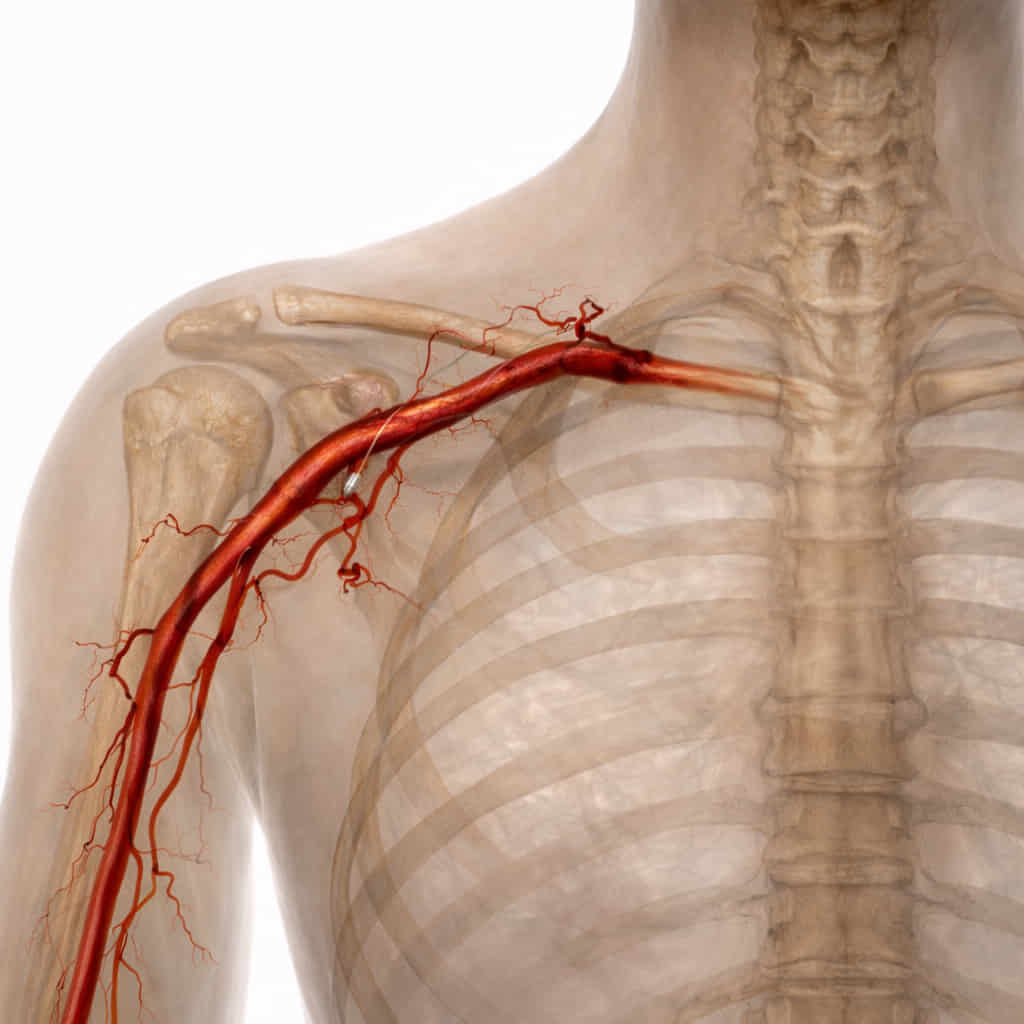
- Severe Arm Swelling: Unilateral arm swelling in a limb that has or had a dialysis fistula or catheter.
- Exhausted Access: Patients who have been told they have no more usable veins in their upper body.
✅ Effectiveness and Recovery
Proven Benefits:
- Immediate Symptom Relief: Face and arm swelling often begin to decrease within hours of the procedure.
- Saves Dialysis Access: Extends the life of current fistulas or grafts, avoiding the need for complex “extreme” access surgeries.
- Minimally Invasive: Performed through a tiny needle prick; no large incisions or general anesthesia are usually required.
- Life-Saving: Restores the ability to receive life-sustaining treatments like hemodialysis.
Recovery Timeline:
- Patients are typically monitored for a few hours and discharged the same day.
- Most patients return to normal activities within 24 to 48 hours.
- Follow-up scans are scheduled to ensure the stent remains open and functional.
Restoring blocked veins – Lifeline for dialysis – Minimally invasive – Expert IR care in India – Restoring blocked veins – Lifeline for dialysis – Minimally invasive – Expert IR care in India
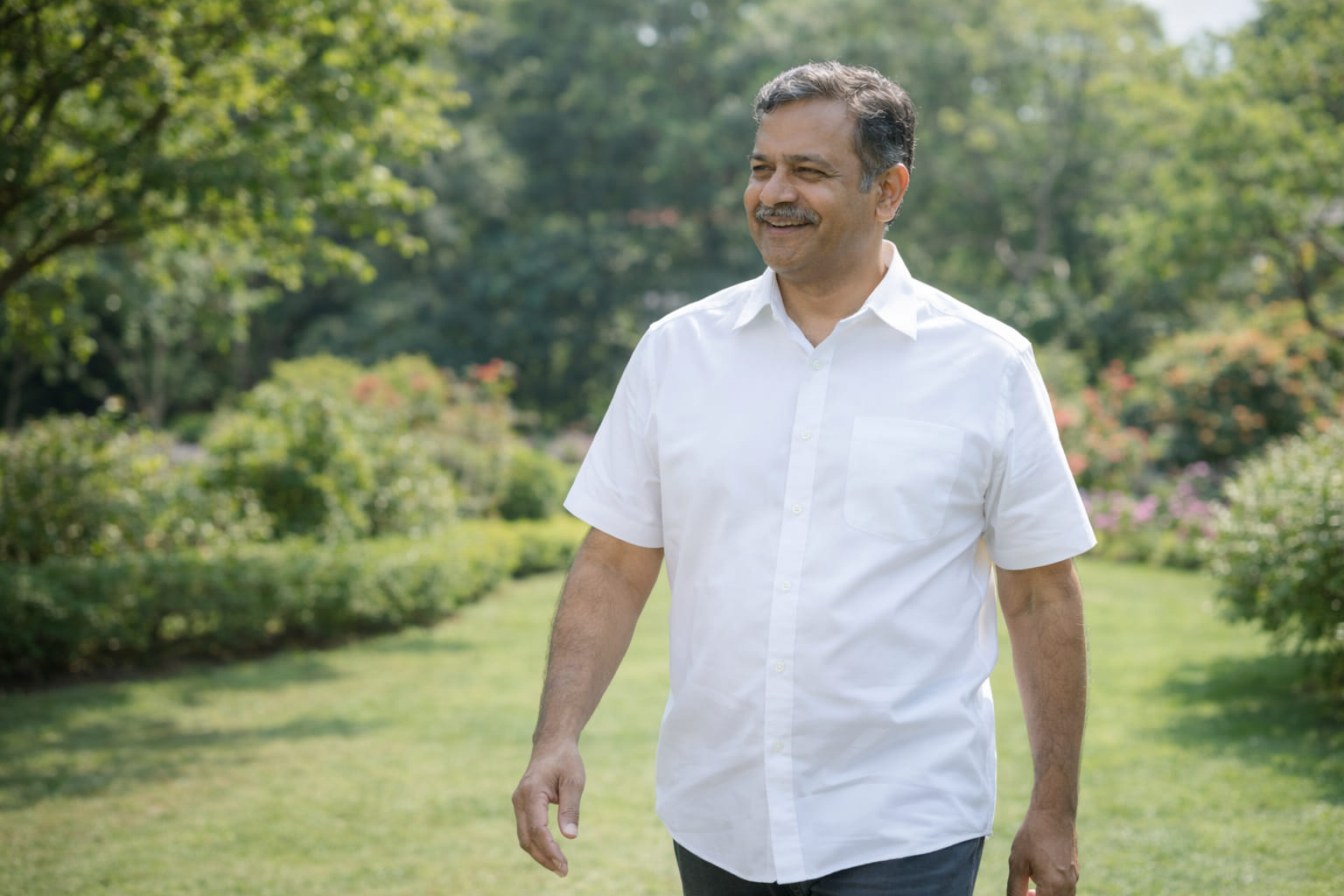
I was told by three different hospitals that my veins were completely blocked and I couldn’t get dialysis anymore. My arm was twice its normal size and I was in despair. Dr. Ram Kishore performed a recanalization at MGM Chennai. He was able to open a vein that others said was impossible. My swelling is gone, and my dialysis is working perfectly again. He truly gave me a second chance at life.
- Santosh K
Chennai
The non-surgical breakthrough that gives your failing access a second life.
The pressure-relief valve that turns a blocked dead-end into a free-flowing river.
If you or a loved one in Hyderabad or Chennai is struggling with a failing dialysis fistula or arm swelling and wants to avoid abandoning the access, consult Dr. Ram Kishore Gurajala at ir4ubyram to see if Central Vein Recanalization could be the solution.
-
Advanced treatments
-
Personalized approach
-
Compassionate comfort
Common questions
Frequently asked questions about Central Vein Recanalization
❓ What is Central Vein Recanalization ?
Central Vein Recanalization (CVR) is a specialized solution for opening blocked or narrowed central veins without open surgery.
When the large veins deep in your chest (the "Central Veins") get blocked, blood cannot drain back to the heart. This causes severe back-pressure, leading to swelling in the arm or face and threatening the life of a dialysis fistula.
Here is a deep dive into how it works, why it happens, and what the procedure involves.
❓ Who needs this ?
You typically need this if you are a dialysis patient experiencing:
"Popeye Arm": The arm with your fistula is significantly bigger/swollen compared to the other arm.
Face/Neck Swelling: You wake up with a puffy face or swollen neck (SVC Syndrome).
Dialysis Alarms: The machine keeps beeping "High Venous Pressure," or the bleeding takes forever to stop after your session.
Visible Veins: You see new, squiggly blue veins appearing on your chest or shoulder (collaterals trying to bypass the block).
❓ Is the procedure dangerous ?
While all vascular procedures carry some risk, recanalization is performed under high-resolution imaging to ensure safety. Dr. Ram is one of the few specialists in India with the experience to handle "extreme" venous cases, significantly reducing the risk of complications.
❓ Will I need to stay in the hospital ?
For Central Vein Recanalization, you typically do not need a long hospital stay. It is designed to be a minimally invasive, "in-and-out" procedure.
Here is the typical timeline for most patients:
1. The Most Common Scenario: Day Care (Same Day Discharge)
Most uncomplicated procedures are treated as Day Care.
Arrival: You come in the morning.
Procedure: Takes about 1–2 hours.
Observation: You stay in the recovery room for 4–6 hours. The medical team monitors your puncture site (groin or neck) to ensure there is no bleeding and checks your vital signs.
Discharge: If everything looks stable, you go home that same evening.
❓ How long will the vein stay open?
With the use of modern stents and proper follow-up care, many recanalized veins stay open for years. Regular check-ups with your interventional radiologist in Hyderabad or Chennai are essential to monitor the site.
❓ Does insurance cover this?
Yes. Central vein recanalization is considered a medically necessary procedure for dialysis access and SVC syndrome, and it is covered by most major insurance providers in India.
❓ Will the swelling go away instantly ?
You will likely feel a release of pressure immediately. Visible swelling in the arm or face usually reduces significantly within 24 to 48 hours as the trapped fluid drains back to the heart.
❓ Will I be awake? Is it painful ?
You are generally awake but sedated (relaxed). We use local anesthesia at the puncture site (groin or neck), so you won't feel sharp pain. However, when the balloon is inflated inside the chest to stretch the vein, you might feel a momentary dull ache or pressure in your chest or shoulder. This usually passes as soon as the balloon is deflated.